

.jpg)

We organised midterm evaluations across 17 countries to see what we have achieved so far, what is holding us back, and where we could adjust our programmes for the last 2 years of their duration. It was also a chance to capture lessons and insights to help us move forwards, towards a new strategy and programme come 2027.
Continue reading for an overview of our take-aways or... dive straight into the midterm evaluation reports.
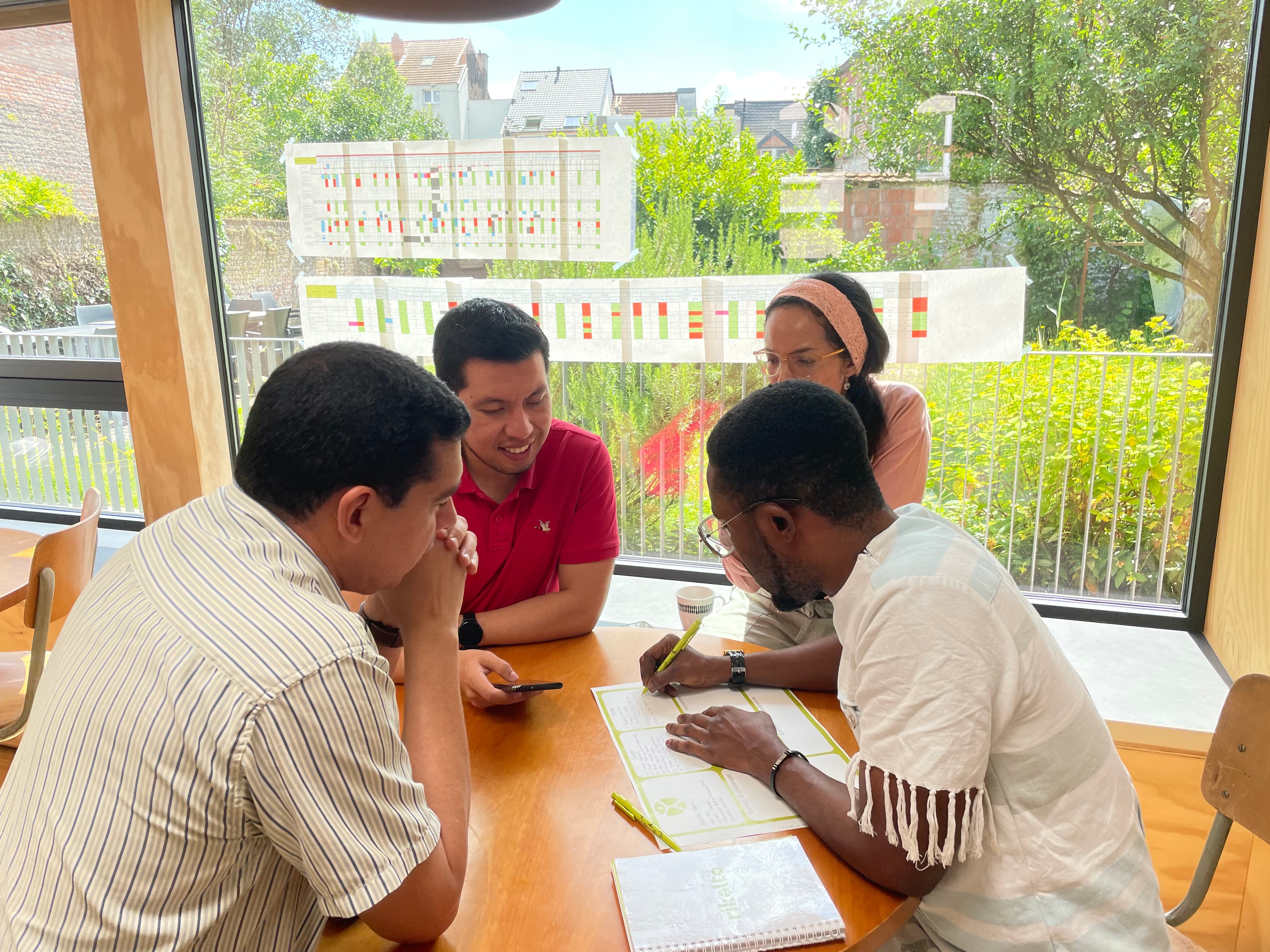
Our food systems strategy is structured around 3 pillars: sustainable production, inclusive markets, and enabling environments. The results of the midterm evaluation show that this approach, linking changes in farm-level practices with market incentives and policy influence, is indeed creating opportunities for food system transformation. There are clear successes:
Halfway through our 2022-2026 programmes funded by the Belgian Development Cooperation (DGD), we took a moment to check how things are going. These evaluations also reminded us that progress is fragile. Climate shocks, thin price premiums, weak farmer organisation governance, and donor-dependent platforms can still undermine results. To ensure results last, we need systemic incentives, viable financing models that make sustainability affordable, policies that reward climate-smart practices, consumer demand that values sustainable food, and farmer organisations that can deliver consistently. It’s these things that continue to guide our work as we are entering the last year of this programme cycle.
At the same time, we’ve been able to gather some insights as to which aspects of our work we can further prioritise as we are working on our new strategy and programmes starting from 2027 onwards. Particularly, we want to strengthen our focus on advocacy to drive systemic policy shifts at national levels and further deepen partnerships and engagements with private sector partners, to move to structured, long-term co-investment models. Without clear business cases and risk-sharing arrangements, private sector actors are less likely to embed sustainability into their core strategies.
The evaluation, under the guidance from ADE, used a mixed-methods approach, integrating quantitative evidence with qualitative insights, including lived experiences and stories of change, to assess how our DGD-funded programmes are performing. Quantitative data was drawn from Rikolto’s indicator workbook, while qualitative insights came from a review of programme documents, relevant studies, and policy frameworks. Local consultants ran focus groups with participants, interviewed partners and programme teams, and observed activities on the ground. Putting all this together allowed us to cross-check findings and look beyond the planned results, to unexpected outcomes, with particular attention to effectiveness, long-term sustainability, gender equity, and social inclusion. Midterm evaluations were mostly carried out in the 2nd half of 2024 and first months of 2025. After that we organised several internal learning sessions to digest the findings.
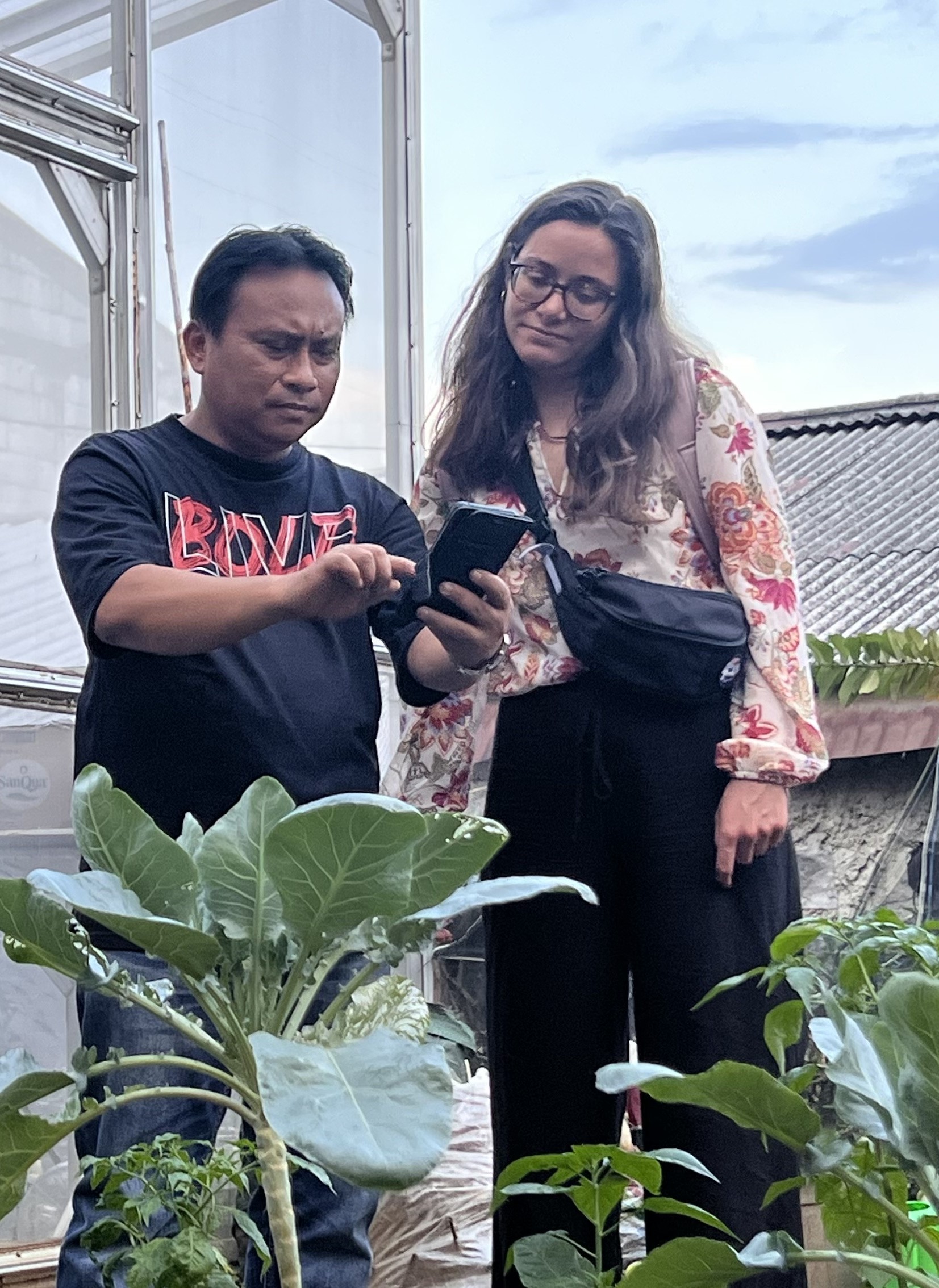
The picture shows the evaluation visit of Luisa Van der Ploeg (Global Consultant at ADE) to Indonesia. In early May 2025, she met with partners of our 3 programmes, focusing on one question: 'How appropriate is Rikolto’s strategy in reaching the impact it aims to achieve?'. In Jakarta, Luisa met with our cocoa and coffee programme partners, including the Cocoa Sustainability Partnership (CSP) and Sustainable Coffee Platform of Indonesia. What followed was a visit to our Good Food For Cities programme site in Jatijajar, Depok, focused on addressing urban heat island effects through urban farming initiative. She then travelled to Central Java to engage with partners and local governments in Surakarta and Boyolali. Her field visits included school canteen programmes, hydroponic sites, waste management facilities (TPS3R), and dialogues with various stakeholders i.e., local government officials, school management, CSOs, and academics. Luisa also spent time with rice farmer groups from APOB and APOLI. These findings were included in this learning report, that exists alongside the midterm reports.
The midterm evaluations give us confidence that we are moving in the right direction, while also being clear about what still needs to change. As we enter the final stretch of the current programme and start shaping our strategy beyond 2027, these findings are a starting point for deeper learning and stronger collaboration. We invite you to explore the full reports, and reach out to reflect on the lessons with us .
Read the midterm evaluation reports on our website, or contact our Monitoring, Evaluation and Learning colleagues Prima Interpares and James Wumenu.



.jpg)