
Pak Madirun has been beaming these past few weeks. He smiles easily, and he greets his neighbours with a warmth that is hard to miss. And with good reason: the harvest from his 2.2-hectare rice field has just been completed, delivering remarkable results – especially on the 2,000 m² demonstration plot where he applied the Sustainable Rice Platform (SRP) standard.
He first learned about SRP in 2025 from Ida Rusmala, a field agricultural extension officer (PPL) working with the Gapoktan farmers’ group association in Dempel Village, Ngawi Regency. Curious to see what the approach could bring, Pak Madirun joined the RiceSilience project implemented by Gapoktan with the support of Rikolto. He decided to start small, testing the method on just 2,000 m² of his land.
The outcome went far beyond what he had hoped for. The yields from the demonstration plot were clearly higher than those from his conventionally managed fields. “I’m very happy with the SRP cultivation,” he says. “Next season, I want to use the jajar legowo model to plant my entire two hectares, because the results are exellent.” He is already imagining what the next harvest could look like if he follows the same approach across his entire land.
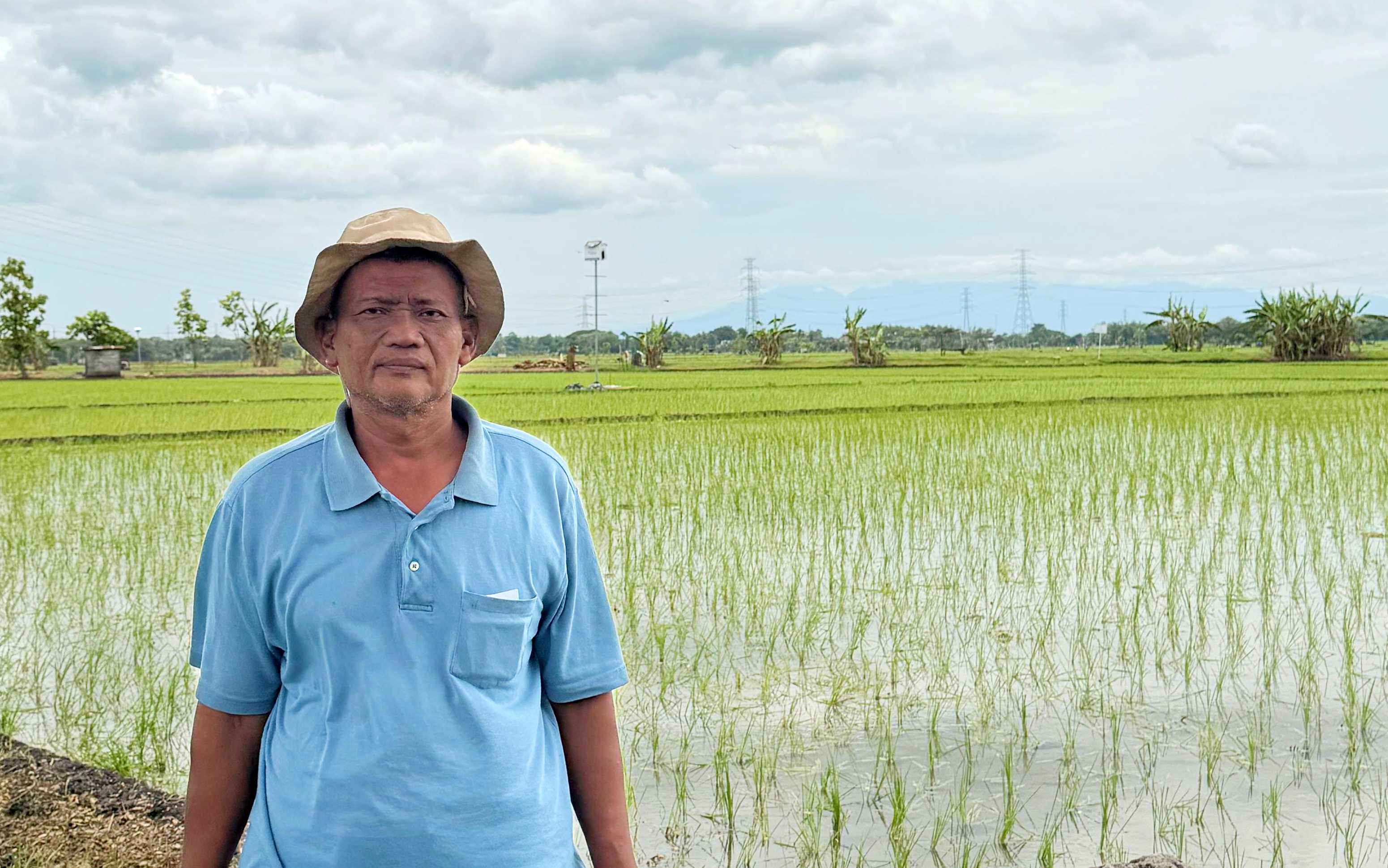
“I’m very happy with the SRP cultivation. Next season, I want to use the jajar legowo model to plant my entire two hectares, because the results are exellent.
The RiceSilence project, which Pak Madirun joined, is a joint effort by Rikolto, the People’s Coalition for Food Sovereignty (KRKP) and Preferred by Nature (PbN), with the support of CISU – Civil Society in Development, Denmark.
The project aims to empower rice-farming communities in Central and East Java, enabling them to enhance their livelihoods through sustainable production based on SRP standards. It also seeks to advocate for the official recognition of SRP-certified rice as a speciality product deserving of a premium price by the government.
The project works with 1,800 smallholder farmers in total, across five districts. It has reinforced the capacity of 30 local farmer groups and five farmer associations and trained 50 field agricultural extension officers. Through cascade learning, the benefits are expected to reach at least another 4,000 farmers.
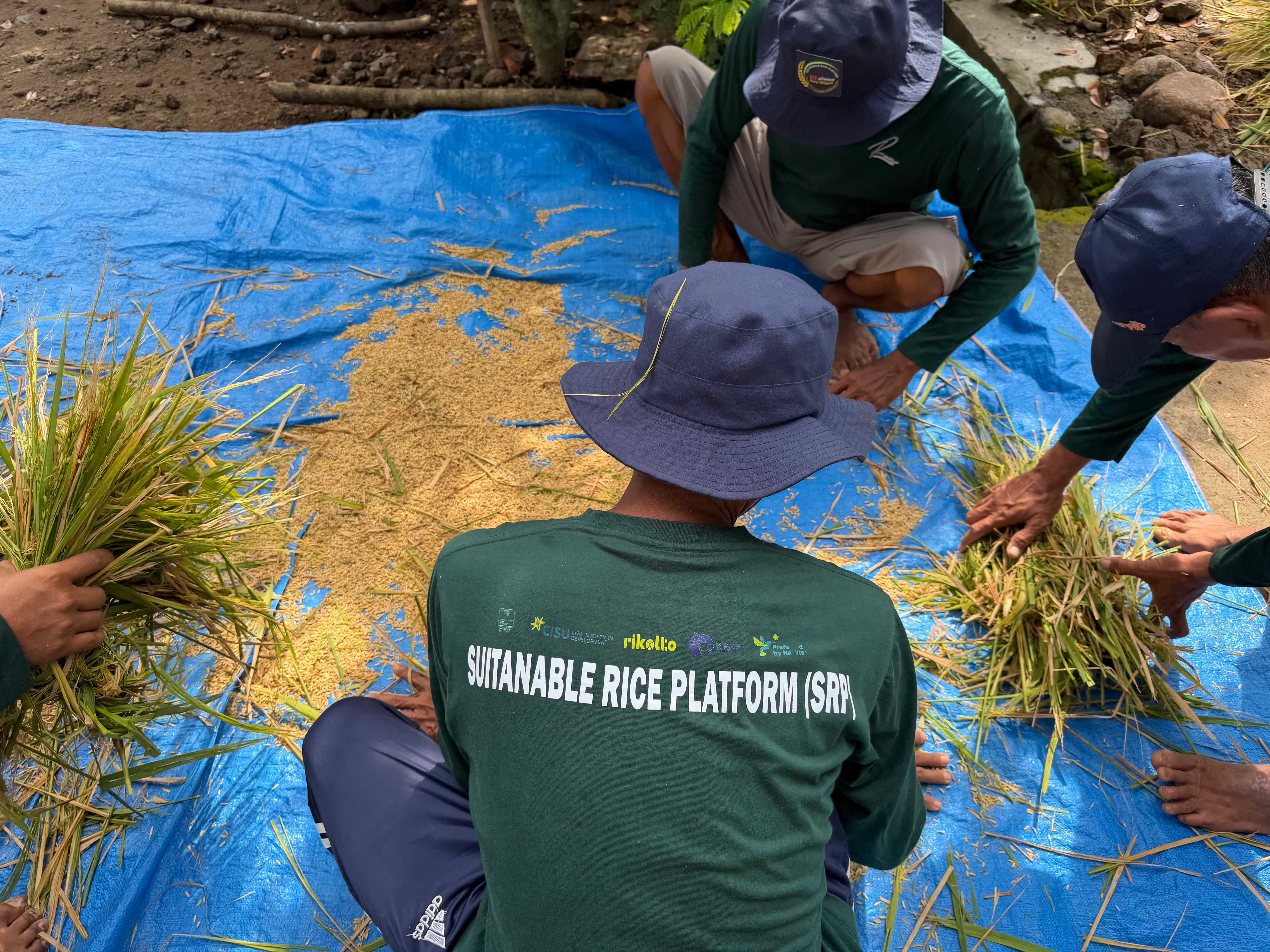
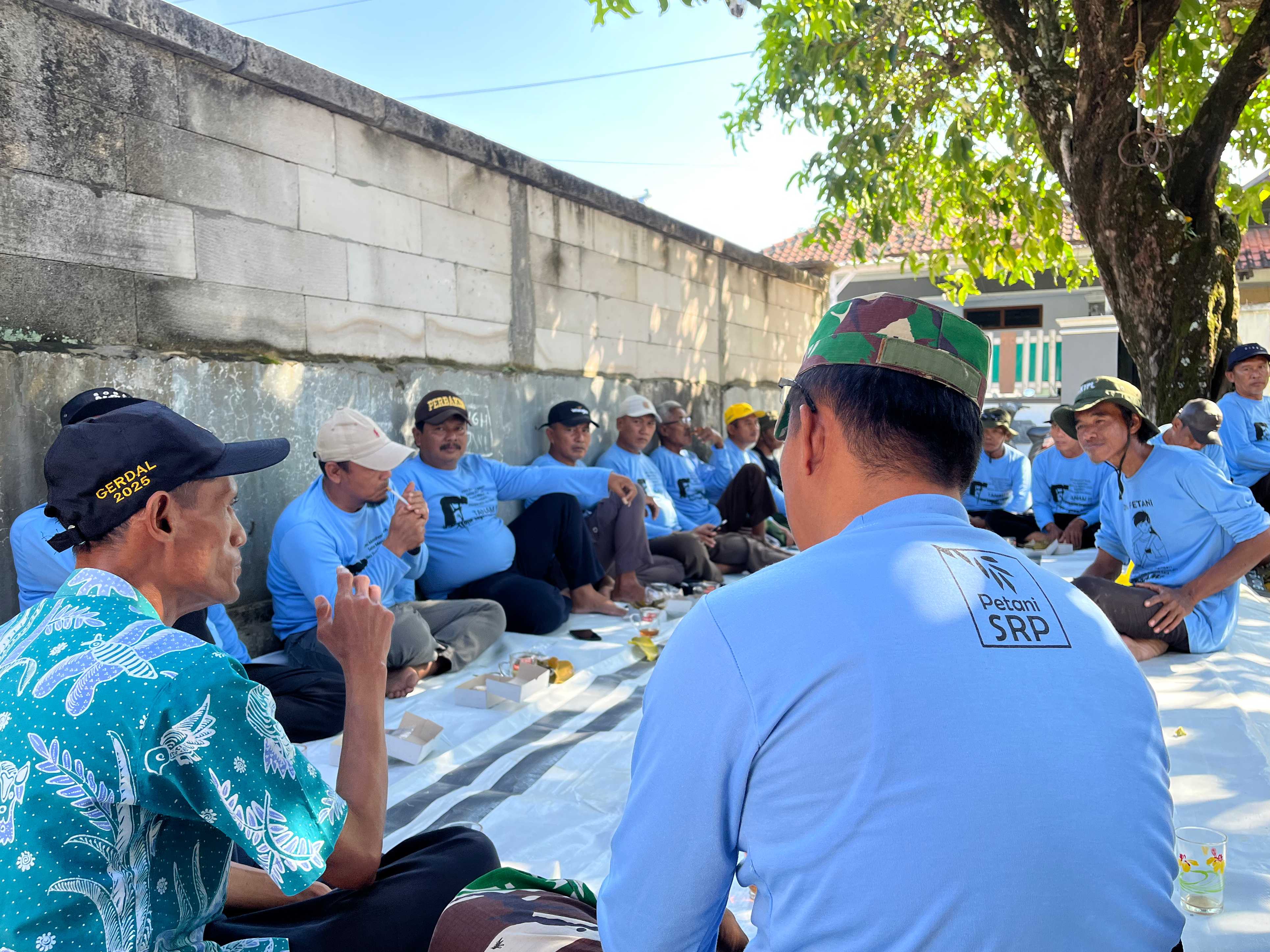
Across Central Java (Boyolali, Klaten and Sragen) and East Java (Ngawi and Madiun), farmers are putting sustainable rice cultivation into practice through SRP demonstration plots supported by Rikolto. The process began with SRP rice cultivation workshops organised together with the district Agricultural Services, laying the groundwork for close collaboration between public authorities, extension officers, farmer group associations and village-level farmer groups.
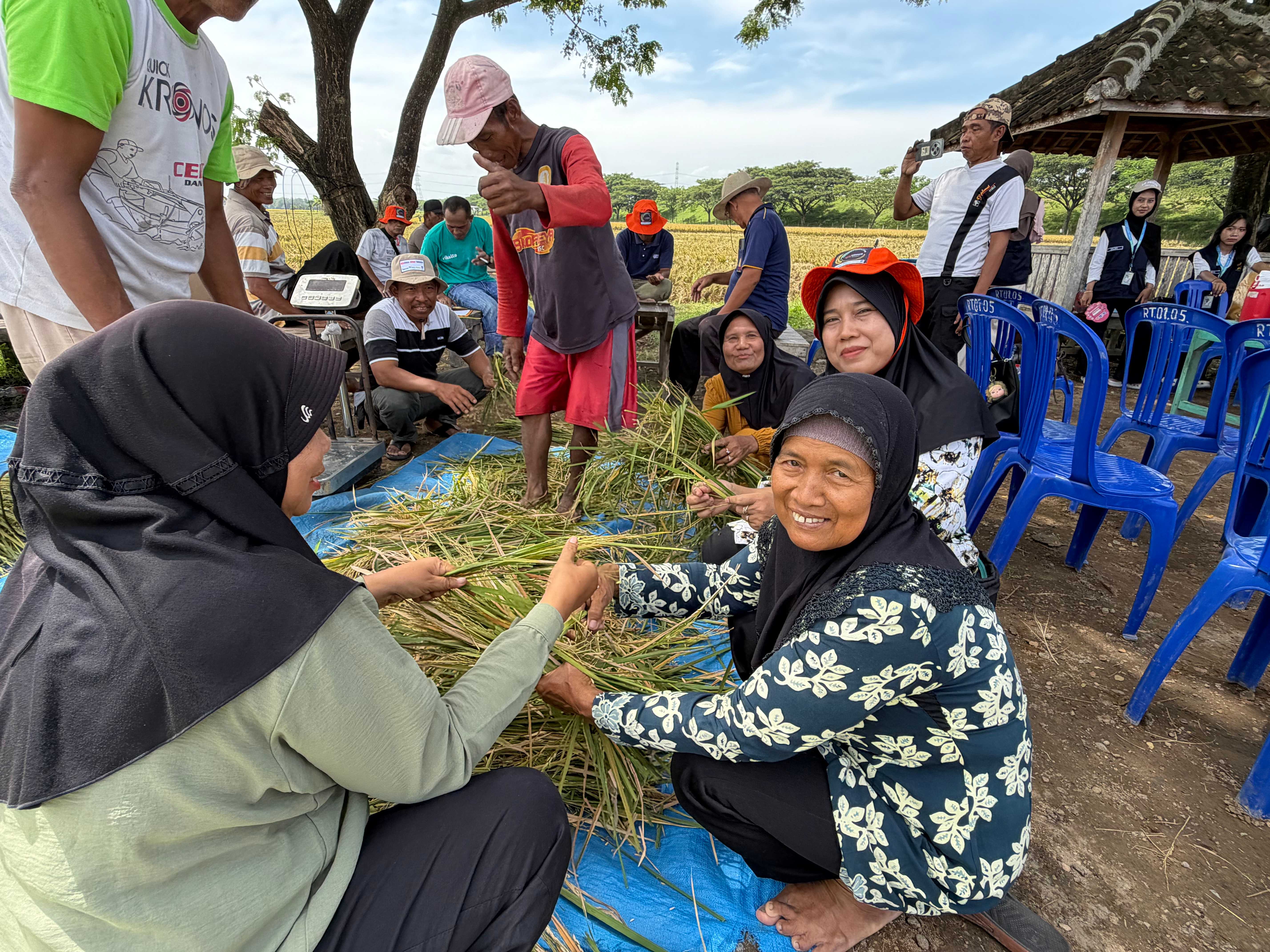
Trained extension officers and pioneering farmers lead the way by testing the practices themselves and transforming their plots into living classrooms. Field schools follow the rhythm of the seasons, from preparing the land to harvesting collectively, so that every stage becomes an opportunity for observation, knowledge-sharing and building confidence.
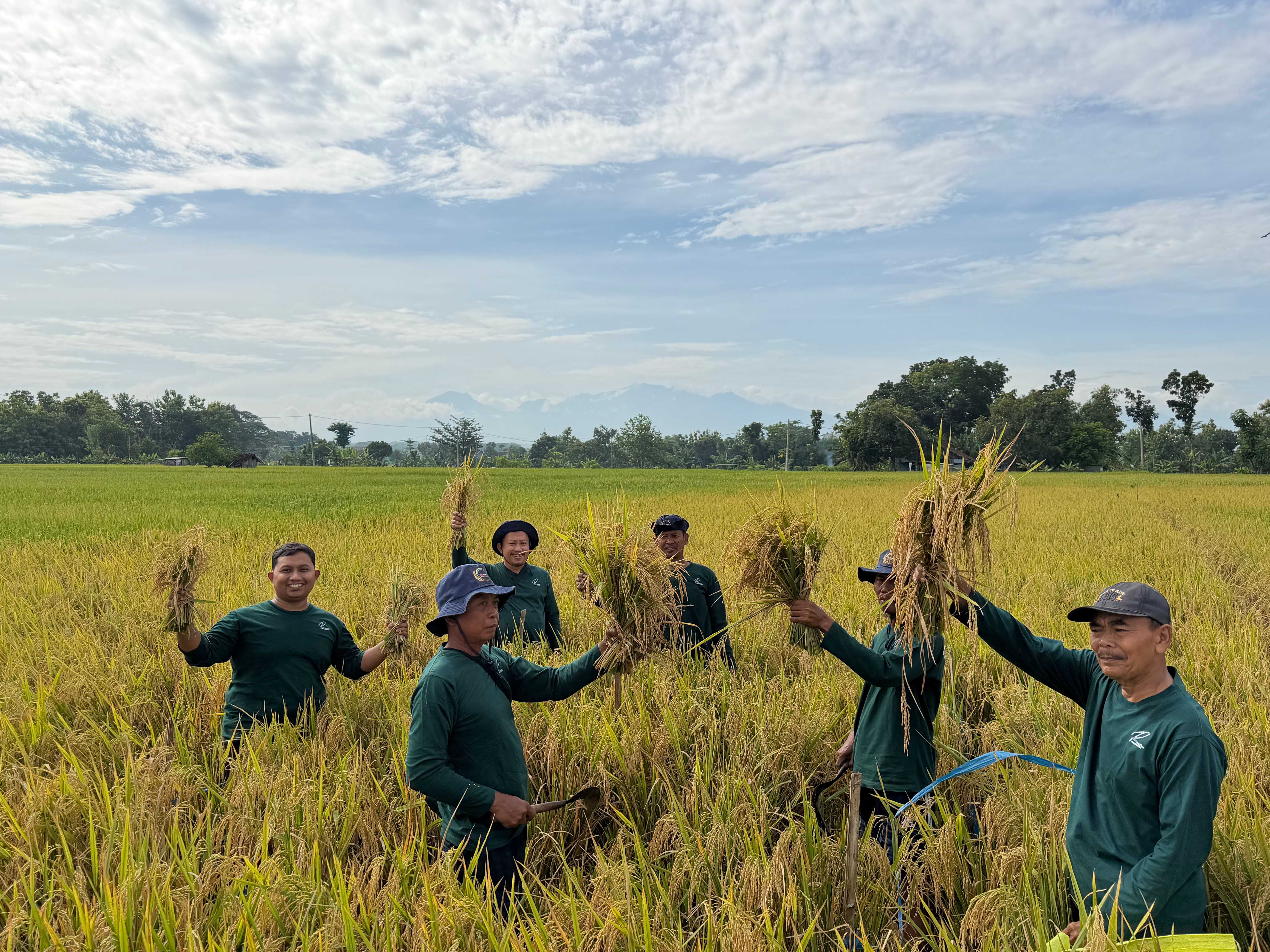
The impact became visible well before harvest time. With the Jajar Legowo 2:1 planting pattern and insertion system, the spacing between rows is wider, allowing more sunlight and air to reach the plants. This reduces the risk of pest attacks, optimises space utilisation and makes field maintenance easier.
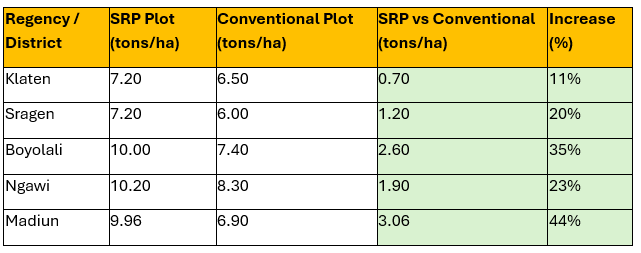
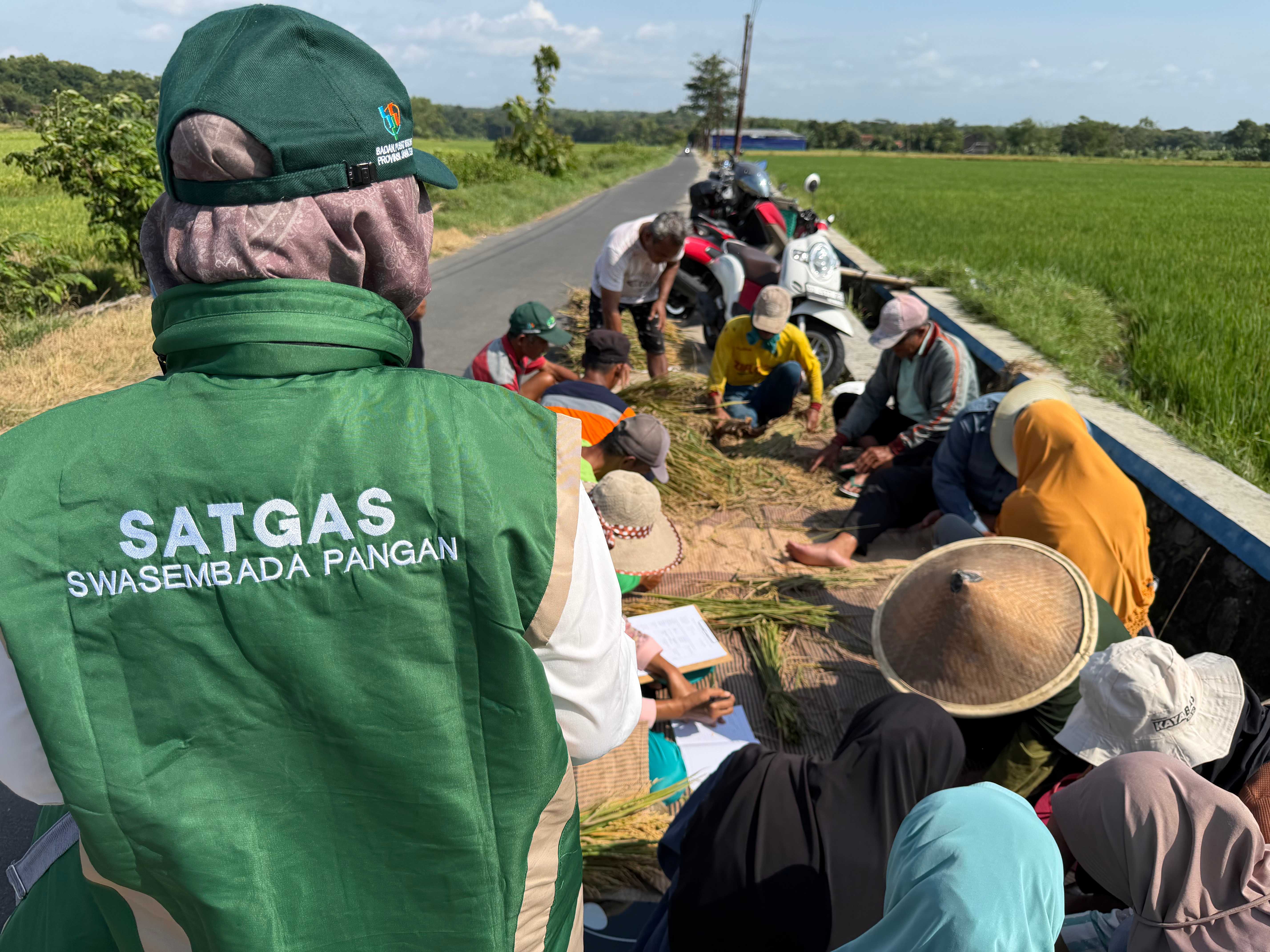
Pak Madirun’s experience is far from an exception. Across the villages involved, farmers recorded equally encouraging outcomes from their SRP demonstration plots. Using ubinan sampling in every district, Rikolto compared the results with conventional fields. The difference is striking: on average, SRP plots delivered 27% higher yields.

The enthusiasm is shared beyond the fields, too. Village authorities, district governments, the Provincial Food Agency Task Force (BPP) and Agricultural Services all see these results as proof that sustainable practices can be combined with higher productivity and better incomes. The work being carried out on a few plots today will pave the way for wider adoption across the five districts.
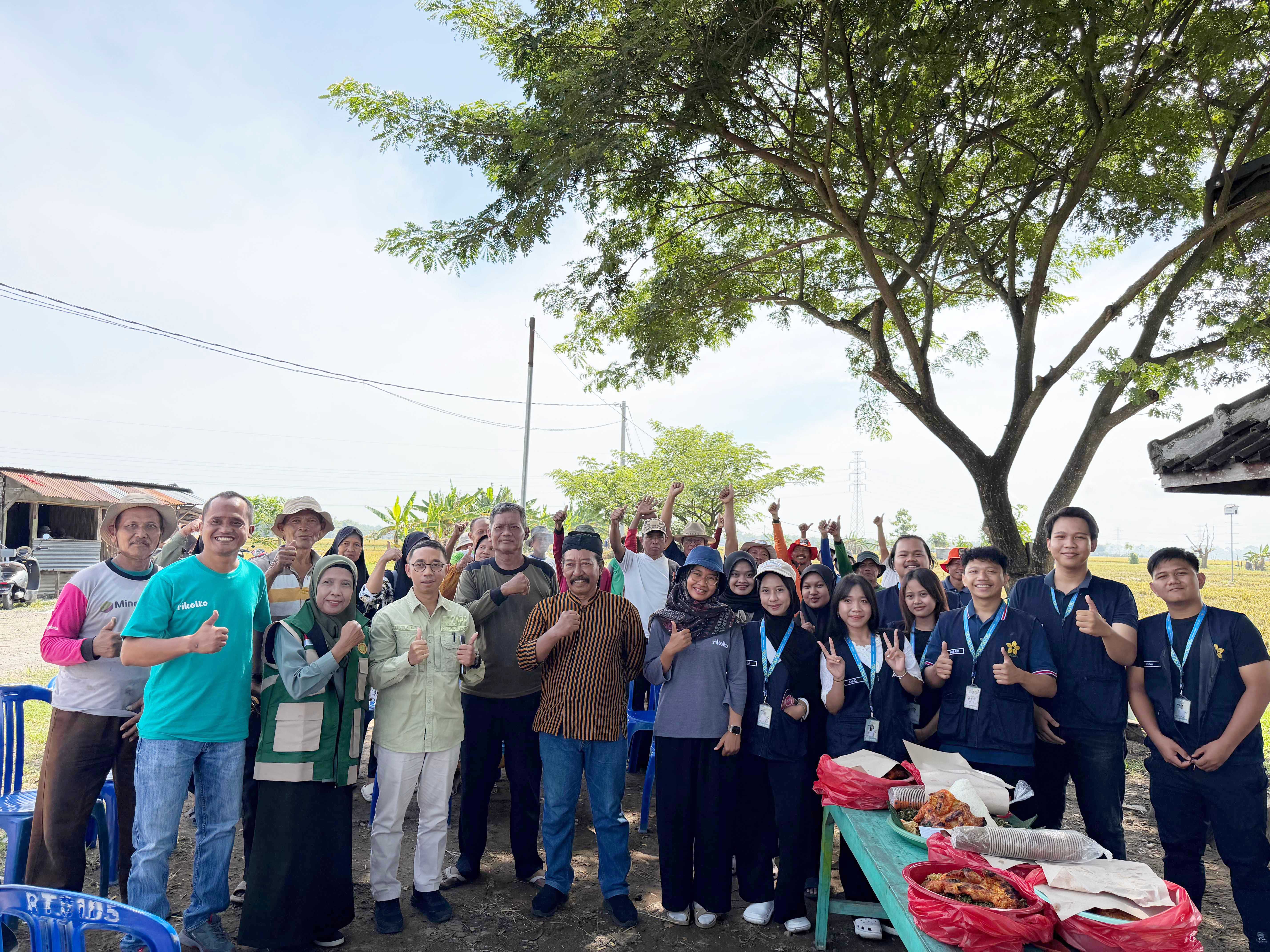
“We strongly support Rikolto’s facilitation of these SRP demonstration plots with jajar legowo. From the training process to today’s harvest, the results have made us all happy. We hope more farmers in Dempel Village will follow this path.”
Mrs. Ida Rusmala, Field Extension Officer, Dempel Village, Ngawi Regency
The momentum generated in the fields is now echoed at institutional level, creating concrete opportunities for farmers:

In 2026, RiceSilience will expand to new villages within the same districts, allowing more farmers to experience and adapt these practices in their own context.
Yet everyone in the rice value chain faces one shared challenge: securing stable market access for sustainably produced rice. With everyone, from farmers to policymakers, pulling in the same direction, the next step is to turn these harvest gains into reliable market opportunities and decent incomes for the farmers who produce Indonesia’s most essential food.



.jpg)