Belgium

Belgium

Rikolto’s roots go back to Belgium in the 1950s. We gradually moved from a traditional development NGO to a network organisation. Also in Belgium, we work towards a sustainable food system.

Sustainable Rice programme highlights for 2025

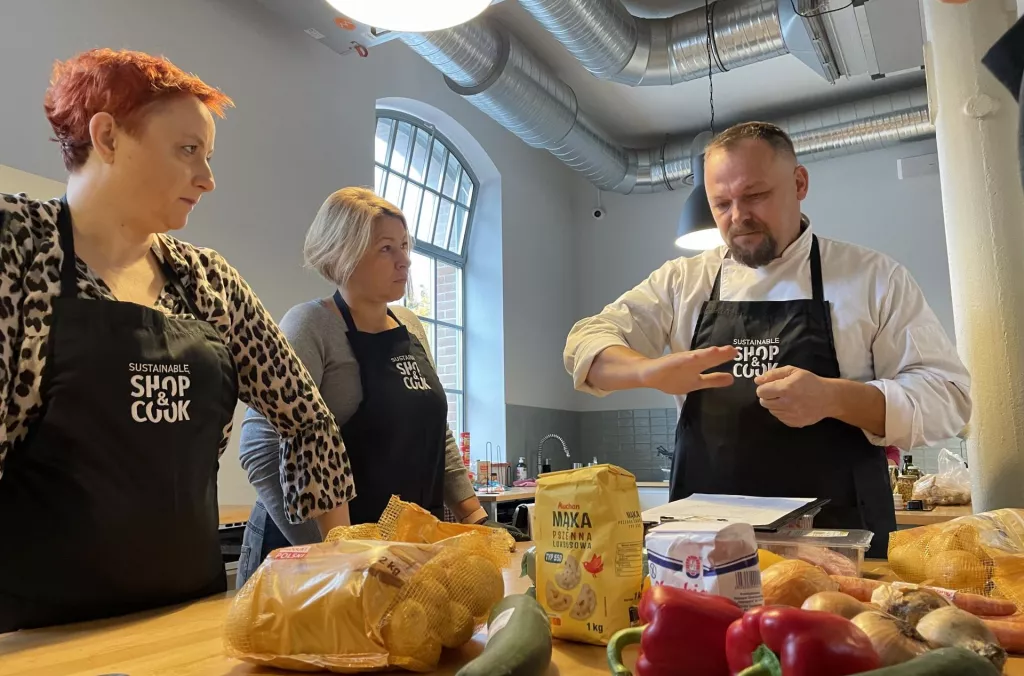
From 2014 onwards, we started building our expertise in making institutional kitchens from companies and schools more sustainable. This laid the foundations for the GoodFood@School approach, that we are currently also adopting in Indonesia, Vietnam etc. As of 2017, Belgium was one of the first countries where we started up our Good Food for Cities programme. Currently, we are running our Good Food for Cities programme in the cities of Antwerp, Ghent and Leuven; and we play our part in pushing for a more sustainable cocoa and coffee sector in Belgium. We also organise private fundraising campaigns in Belgium.

Good Food for Cities programme highlights for 2025

Based on Rikolto's Good Food at School pilots, the city of Leuven developed a model to support schools in implementing a Whole School Food Approach (WSFA). To do this, the city is making use of a co-financing scheme launched by the Flemish government in 2025. Leuven has also been included in the Flemish government's Inspiration Guide as an example for local authorities in the region. Also, in 2025, after three years of implementation, the EU-funded SchoolFood4Change project provided strong evidence of the benefits of the Whole School Food Approach. Reaching 3,863 schools across 22 countries worldwide, the coalition published a comprehensive report for policymakers. In the same year, Rikolto and its partners received EU LIFE funding to expand the Superlist Environment project across Europe. This research and campaign assess supermarkets’ performance on climate policy, protein shift, sustainable agriculture and food waste. Using these results, Rikolto aims to encourage retailers and governments to develop policies for ecological sustainability.

Sustainable Cocoa and Coffee programme highlights for 2025

Rikolto contributed to a more coherent sustainability agenda in Belgium's cocoa and coffee sectors through active participation in coalitions such as VOICE, VOCAL and Beyond Chocolate, engaging also in joint advocacy on EU legislation. A key initiative in 2025 was Superlist Social, a study comparing how five Belgian retailers approach human rights, gender equality and fair treatment of farmers. Developed with Questionmark, Oxfam Belgium and Fairtrade Belgium, the first edition highlighted cocoa and living income as key indicators. We shared the findings widely to inspire retailers and sector actors.

Projects

SchoolFood4Change in Europe

The European SchoolFood4Change project (SF4C), funded by Horizon 2020, aims to make sustainable and healthy food in schools the norm.
Updated on:
June 25, 2025

GoodFood@School for Belgian pupils

Healthy and sustainable food for every child, at every school. From class to canteen.
Updated on:
June 25, 2025

Good food at school in Belgium

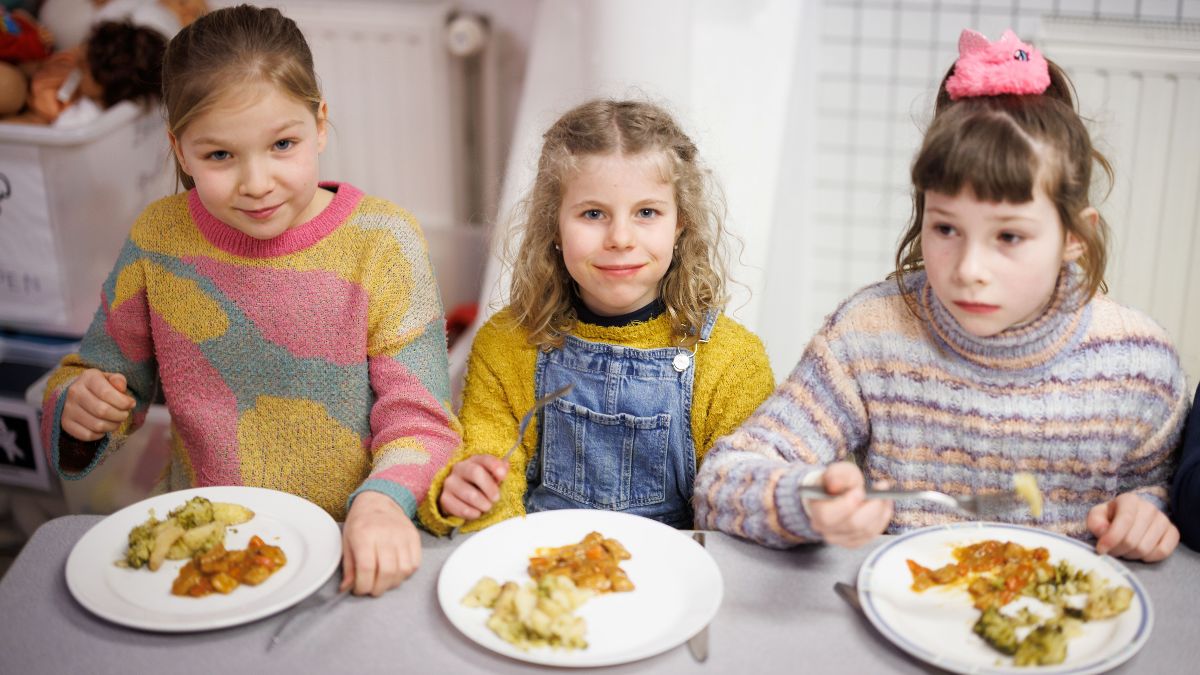
A healthy diet at school is essential for the health and development of children and adolescents. In Belgium, our approach focuses on schools in Leuven, Ghent and Antwerp, where we work with students, teachers, parents, management, kitchen staff... around nutrition.
Updated on:
June 25, 2025

CREA: fair and sustainable products from Ecuador for the European market

The CREA project promotes strategies to strengthen and improve the sustainability, competitiveness, innovation and integration in the European market of 33 SMEs and 24 farmer organisations, while ensuring fair employment and decent work with inclusive practices for vulnerable groups. CREA is led by Rikolto, in partnership with Asociación Nacional de Fabricantes de Alimentos y Bebidas (ANFAB), Cooperación al Desarrollo de Países Emergentes (COSPE), Escuela Superior Politécnica del Litoral (ESPOL) and KU Leuven. This project is funded by the European Union.
Updated on:
June 23, 2025

Healthy Wave

Healthy Wave is a three-year European project that helps cities develop healthy, sustainable, and affordable school meal policies, especially for children at risk of poverty. Led by 11 partners across 8 countries, it provides practical tools, local strategies, and a toolkit to turn policy into action.
Updated on:
June 25, 2025

PeaPact2: The yellow pea as the key to a sustainable protein chain in Flanders

The PeaPact2-project wants to put yellow peas in the spotlight to stimulate the protein transition from animal protein to plant-based protein in Flanders. It focuses on cultivation, processing and commercialisation of yellow peas in Flanders and wants to create a local and sustainable protein supply chain.
Updated on:
June 25, 2025

Real conversations about good food: a way out of the polarised food debate

Rikolto and Groene Kring bring together farmers and citizens to have conversation about our food in a series of dialogue sessions. Participants shared a lot of values and arguments and this formed the basis for an open conversation about the future of farming and nutrition.
Updated on:
June 25, 2025

The Great Flemish Food Map

This project examines the Flemish food environment in order to raise awareness about the influence of food environments and stimulate actions to make healthy choices more accessible. It is a citizen science project, which means that everyone can participate.
Updated on:
June 25, 2025

Superlist: nudging supermarkets to make sustainable food the norm

We examine the efforts of Belgian and European supermarkets to make the food system more sustainable. We share these research results with citizens, policy makers, civil society and the food sector. That is how we encourage supermarkets to take up their social responsibility. Superlist is a collaboration with the Dutch think tank Questionmark.
Updated on:
June 25, 2025

Generation Food goes international

A young community of innovators wants to give their peers a sustainable future through inclusive businesses in food systems.
Updated on:
June 25, 2025

Carbon farmers in Belgium

Over the next five years, fifteen farmers will be trained to become 'carbon farmers'. The ultimate goal? To establish a carbon farming model for farmers in Belgium to ensure carbon sequestration.
Updated on:
June 25, 2025

I am more than my receipt

A civic movement in Belgium to make sustainable food the new normal in supermarkets
Updated on:
June 25, 2025

Robin Food transforms food surpluses into healthy products for vulnerable families

We develop business models that make the products accessible for vulnerable groups and offer a viable business to the companies that produce them.
Updated on:
June 25, 2025

Generation Food: helping young Belgian entrepreneurs solve food-related problems

A new movement stimulates innovation and entrepreneurship in agriculture and food.
Updated on:
June 25, 2025

KIKET: unleashing the local cultivation of chickpeas

The KIKET-project investigates whether and how local cultivation and processing of chickpeas in Flanders can be achieved. Currently, the price of locally cultivated chickpeas is way higher than the world market price because of the small scale of cultivation, so we want to determine the ideal scale of cultivation.
Updated on:
June 25, 2025

Wanted: Food for the Future [completed]

A unique project in which the Belgian Province of Flemish Brabant, Rikolto, retailer Colruyt Group and the University of Leuven together with young people, experts, farmers, etc. look for ways to feed the growing global population in a sustainable way.
Updated on:
June 25, 2025

Read the latest stories from the ground