
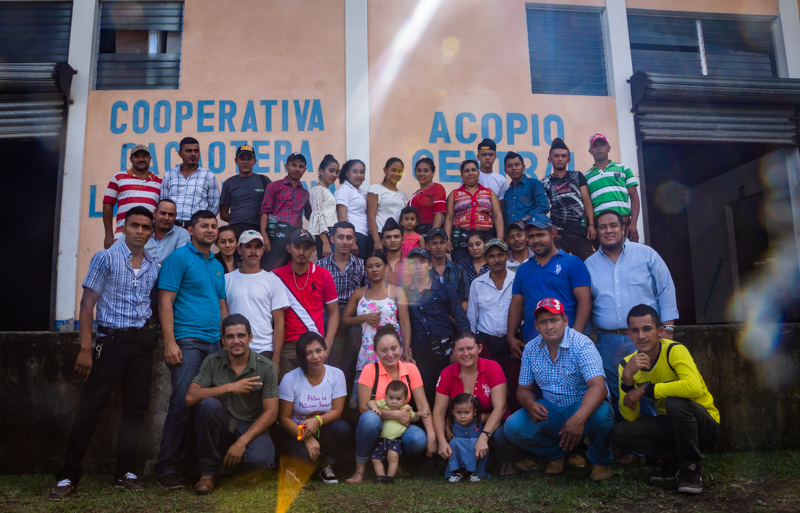
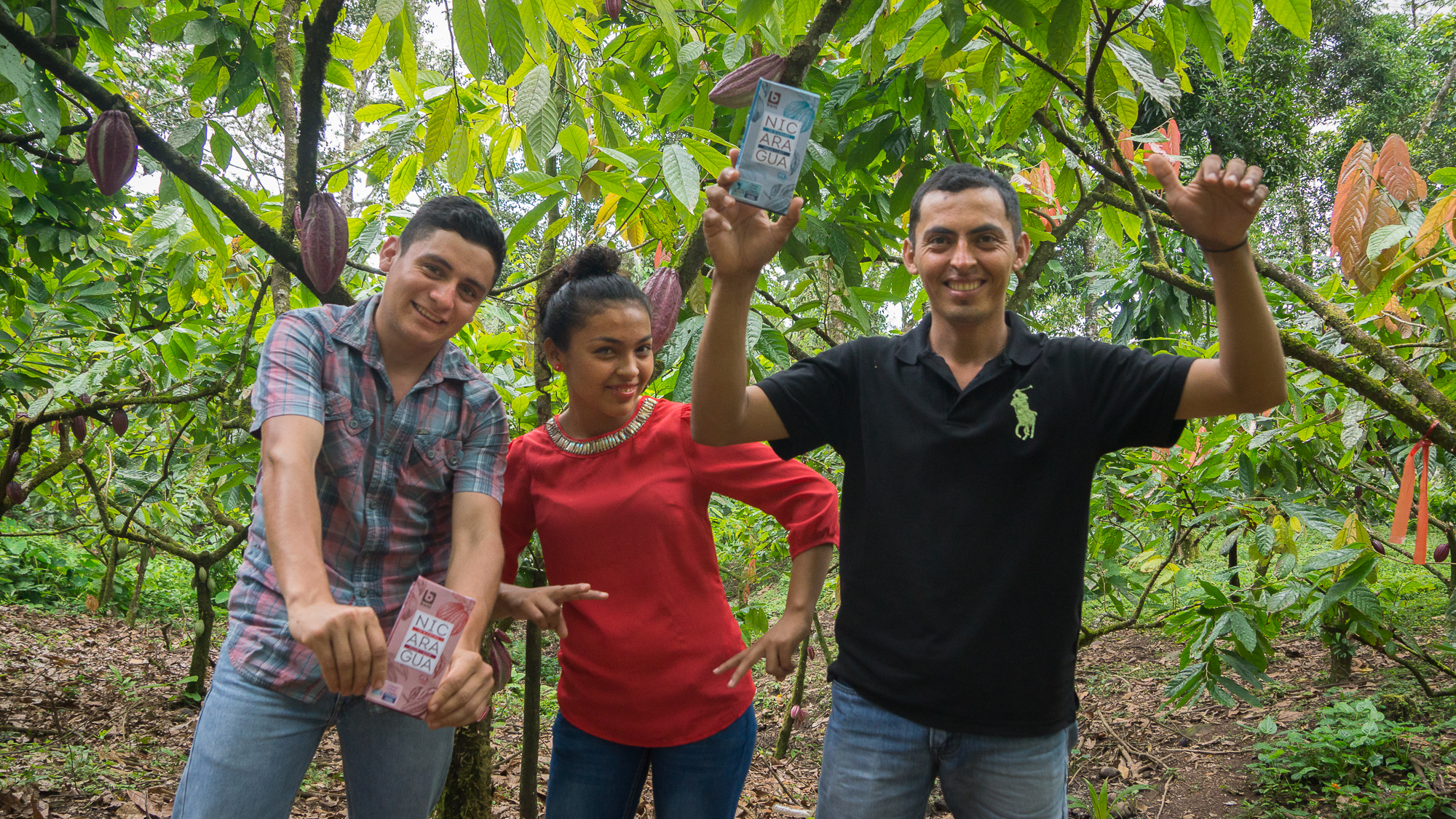
In my 11 years at Rikolto, I’ve seen many inspiring partnerships take shape. One that has always held a special place in my heart is a cocoa collaboration in Matiguás, Nicaragua. In 2017, cocoa cooperative La Campesina, Rikolto, Puratos, and Belgian retailer Colruyt Group joined forces to bring Nicaraguan cocoa to the Belgian market and to create opportunities for young people. I’ll never forget my visit to La Campesina: young farmers spoke with so much confidence about grafting, agroforestry, and quality protocols. Some had travelled for hours, even crossing rivers, just to attend; others were the first in their families to step into leadership, breaking gender and generational patterns along the way. Their determination was unlike anything I have ever seen. A determination to prove that their ideas mattered, for their future, their cooperative, and their communities.
Seven years later, this collaboration has come to an end. But this is not a sad story. What matters is what remains: a strong organisation, capacities that outlive the initial partnership, and lessons to shape future business models.

La Campesina, a cocoa cooperative founded in 2000, had 387 members when talks about the collaboration started. With Rikolto’s support and Colruyt’s sourcing commitment, the cooperative connected to the European market for the first time.
The partnership formulated ambitious goals that went beyond the commercial commitment:
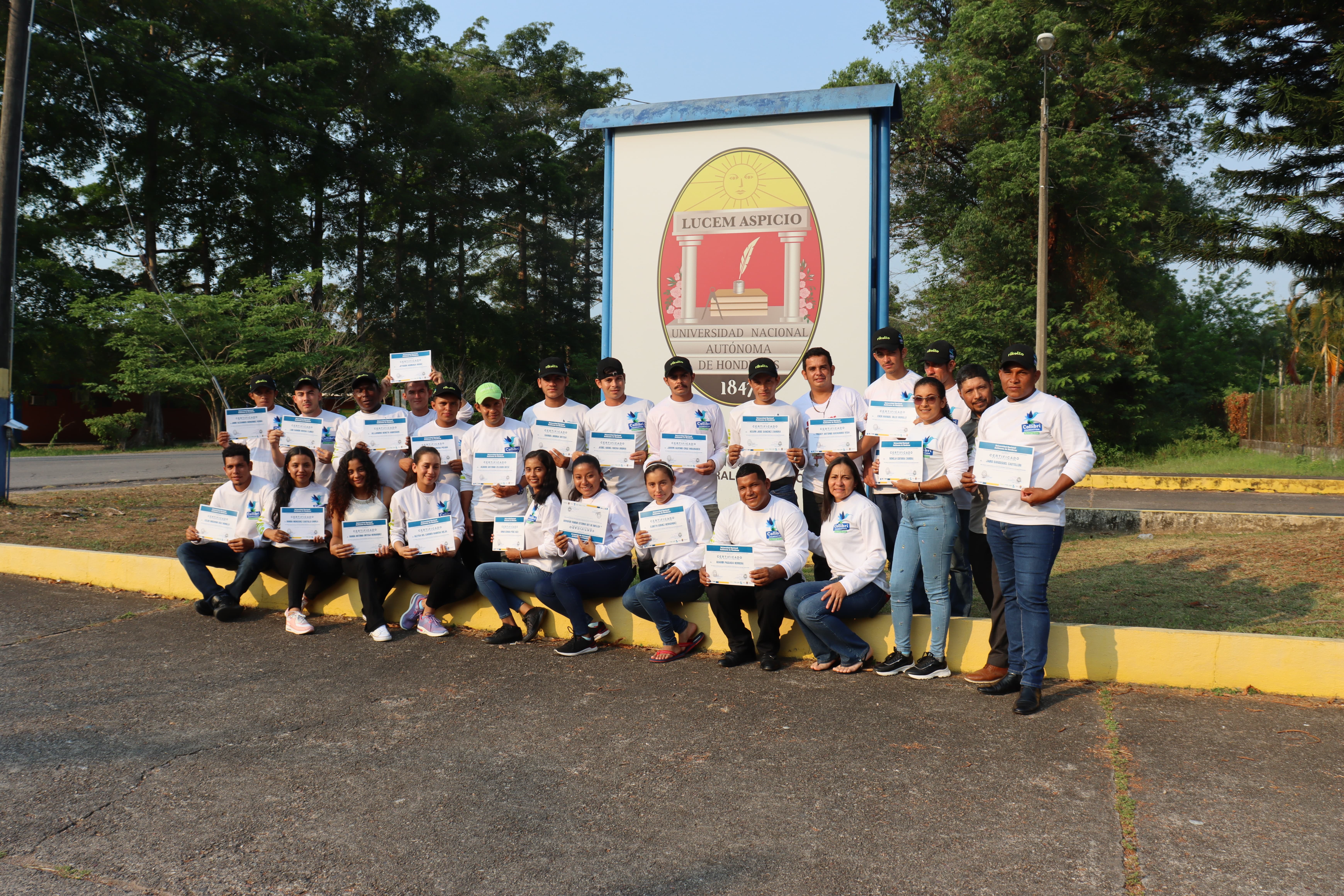
As part of this, two consecutive projects were launched: the “Yes Youth Can” initiative and the “Unlocking Youth Power” project. Both aimed at opening up opportunities for sons and daughters of cocoa farmers, with additional funding of YOUCA and the Colruyt Group Foundation (then called Collibri Foundation). This to tackle a big challenge in cocoa communities in the area: up to 45% of youth have no stable source of income, leading to migration flows, mostly towards the US, and a loss of young talent. So, as part of both projects, 418 young people from La Campesina cooperative and other cocoa cooperatives in the region received training in sustainable cocoa production, grafting, and agroforestry. 74 of them were selected directly for training trajectories at the University of Honduras; the others participated in peer-to-peer workshops at La Campesina. 60 young smallholder producers and entrepreneurs have since accessed inclusive local or national markets, and an equal number have strengthened their soft skills, empowering them to play an active role in the cocoa value chain and within their organisations.
50 of them established new cocoa plots under agroforestry systems, while over 200 others started working on their own plots (often owned by their families) or were employed to work on other cocoa farms. 10 young people also created start-ups producing bio-inputs or providing technical services. And so it happened, that young people gradually became reference farmers and ambassadors of sustainable practices in their communities.
“I have the responsibility to share my knowledge on cocoa management and organic agriculture, and my experience with implementing agroforestry cocoa systems, and bio-factories. I raise awareness about the benefits of biofertilisers to (transitioning) organic farmers. With all the knowledge I now have and what I am implementing, I know that I am going to be a good producer, helping my father and my community.”
Freddy Mairena
Young cocoa farmer and participant of a training course in Honduras about the diploma course he took part in 2022
While the knowledge and innovation the young cocoa farmers brought is now widely recognised, it was quite a process to convince the older generation of farmers, many of whom parents of these young women and men, to change their habits and convert their farms into more productive agroforestry systems. But the evidence to start using more sustainable practices such as grafting and pruning was undeniable. When in 2020 hurricanes Eta and Iota hit the area, cocoa farms in traditional production systems were significantly more affected than those in agroforestry systems. And, because of better fertiliser use, grafting, pruning etc, productivity of these youth-led cocoa farms is now up to 43% higher than the average productivity (650 kg/ha instead of the regional average of 455 kg/ha). This also had an impact on the amount of cocoa available at the level of the cooperative for marketing: now up by 18% more as compared to 2021.
The innovation these youth brought in did not go unnoticed: La Campesina also gradually began employing young technicians as internal quality inspectors and trainers. Meanwhile, agroforestry flourished: 95% of La Campesina’s cocoa is now grown under shade trees, diversifying income through timber and fruit while improving soil and biodiversity.
From Colruyt’s side, a commitment was made to pay a fair price. Contracts ran for two times three years, signalling long-term commitment and giving farmers the confidence to invest.
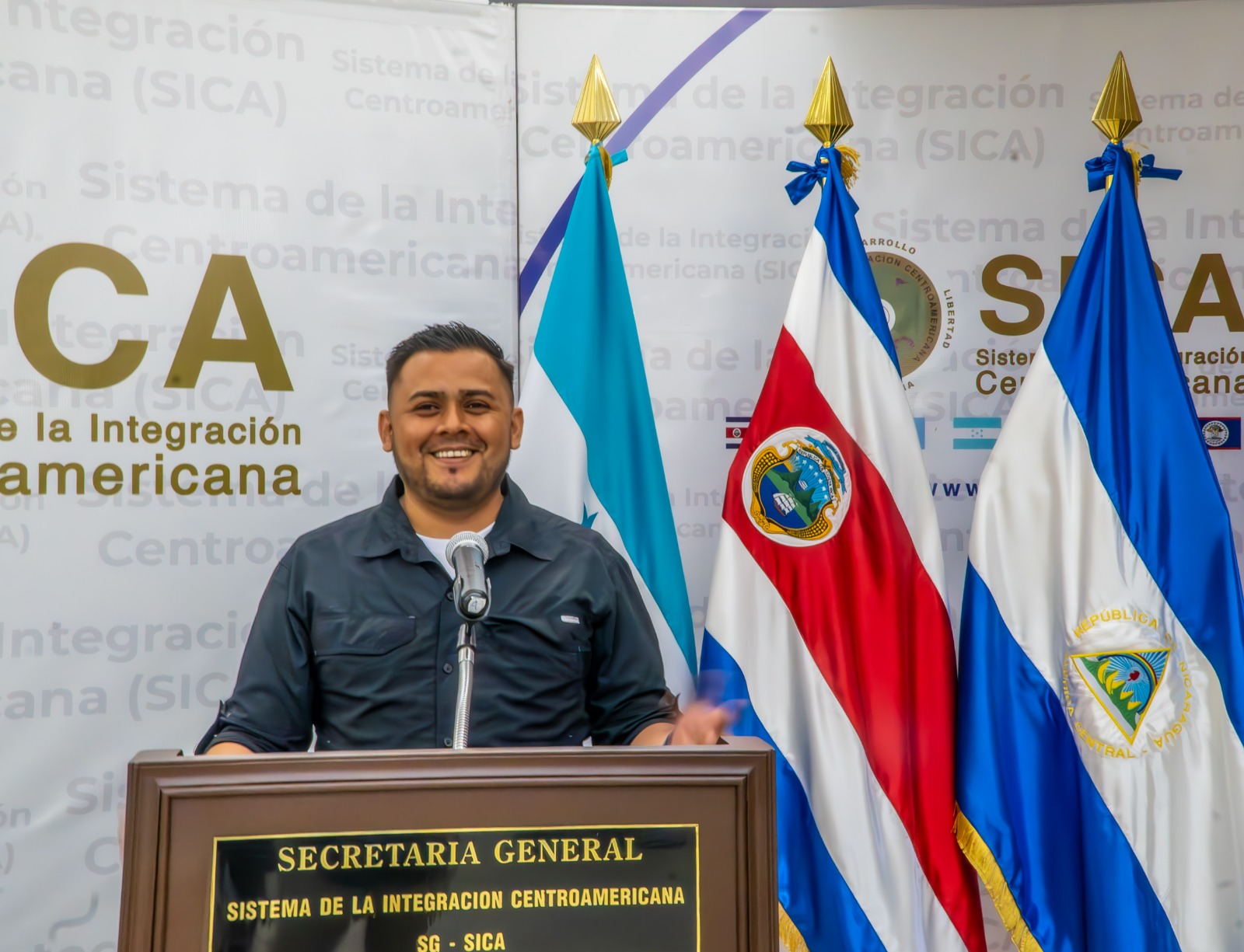
“The cocoa market in Nicaragua used to be dominated by a single buyer. People always said, ‘This is the best we’ll get, there is no alternative.’ But when Rikolto got involved and the partnership was formed, our eyes were opened.”
In addition, Colruyt invested in the professionalisation of La Campesina through Rikolto’s support, an example of risk-sharing and joint value creation. Rikolto guided this capacity building process, starting with an organisational assessment using the SCOPEinsight methodology. This showed that while La Campesina already had strong practices in governance, processing quality and environmental care, it still needed clearer protocols, more regular evaluation, and a sharper focus on market dynamics such as price fluctuations, buyer diversification, and quality monitoring. Together, Rikolto and the cooperative defined the capacity-building needed to address these gaps and reinforce La Campesina’s resilience.
Rikolto also facilitated quarterly value chain meetings in which all actors reviewed progress and addressed emerging challenges together. This continuous dialogue made it possible to uphold trust, even when the model came under pressure due to changing market conditions.
As global cocoa prices skyrocketed in 2024, the price offered by Colruyt was surpassed by the new market price, and for La Campesina it was impossible to buy cocoa from its members knowing that other buyers were offering higher prices. From an inclusive business point of view, this put La Campesina in a difficult position and complicated the commercial relationship between the cooperative and the retailer. The partnership already experimented with elements of risk-sharing, such as pre-financing and a stable contract, but the unprecedented price peaks of 2024 showed how difficult it is to design mechanisms that remain fair in every market scenario. Clearer agreements on upper and lower price ranges could have helped balance risks and benefits for both sides, yet the experience also underlines how volatile cocoa markets challenge even the most well-intentioned models.
Also for farmers, this price peek brought a lesson. The higher prices only lasted 3 months; there was no stability for them, unlike in stable contracts through their cooperative. As such, the issue ended up demonstrating to La Campesina’s members the importance of the work of the cooperative and brought farmers and the cooperative closer together again.
Beyond the pricing challenge in 2024, sales of the Nicaraguan-origin bars in Belgium were also not evolving as expected. They remained modest, showing how difficult it is to combine niche origins with mainstream positioning, a valuable lesson for future product launches.
“Throughout these challenges, the partners kept each other informed, and they worked hard to overcome the challenges that surged through open dialogues facilitated by Rikolto. This idea of looking for solutions together is a crucial aspect of an inclusive business relationship, but it is rare to see it in practice.” Liesbeth Van Meulder, Expert Sustainable Cocoa and Coffee | Rikolto
Eventually the tough decision was made to put a stop to the partnership. It perhaps felt extra personal for Karen Janssens, now Expert Sustainable Sourcing at Colruyt but coincidentally Director of Rikolto’s office in Central America at the start of the partnership. She knows first-hand the cooperative and its members.
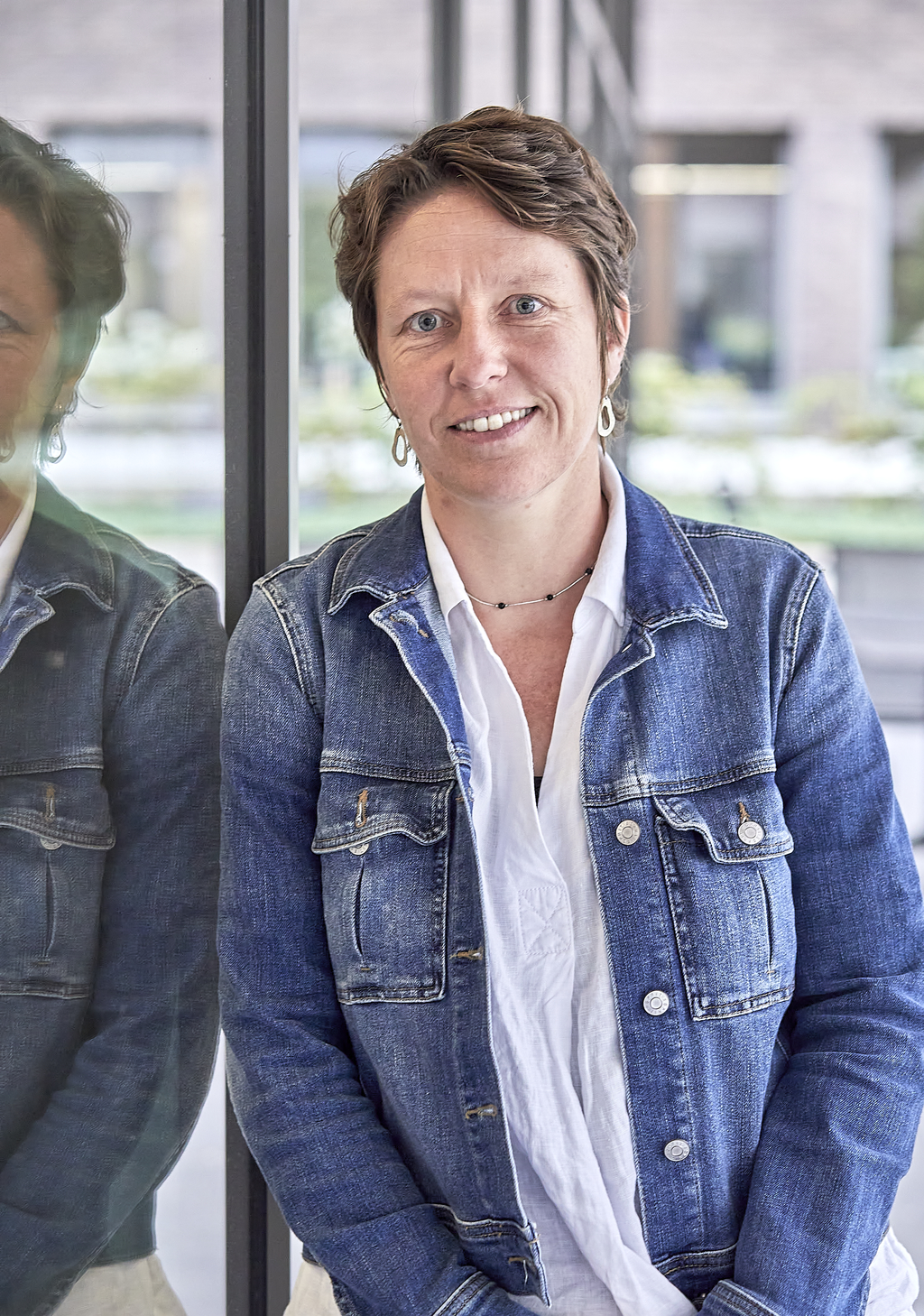
"On the Colruyt side, it was valuable to see how the commercial aspect and the Foundation could reinforce each other: together we managed to link youth opportunities to a concrete sourcing relationship, which gave real meaning to the project. While working with Rikolto, I witnessed how young people gradually convinced their parents of new practices like grafting, something unthinkable at first. And throughout, I saw how La Campesina consistently honoured its commitments. The power of collaboration, in its many layers, is the real legacy of this partnership for me."
Indeed, the end of the contract was hardly a sad story for La Campesina. Far beyond the cocoa sales, the collaboration made a deeper mark and impact. For La Campesina, the Colruyt contract became a reference point to negotiate with other buyers. By 2025, they had signed 5 contracts, compared to just one in 2016. Cooperative leaders and young people gained confidence in negotiating internationally, mastering incoterms and contract language, and navigating quality control protocols.
The cooperative gained technical expertise, diversified its market access, and empowered a new generation of leaders. Currently, 70% of the cooperative employees are younger than 35 years old, and youth membership grew fivefold, from 25 in 2018 to 125 in 2025.
“This collaboration has turned our young people into professionals. They now understand contracts, quality protocols and traceability. They have become internal auditors for certification. They know how to cultivate cocoa grown under agroforestry systems. Far beyond the good price, this collaboration guaranteed a future for the cooperative, as we see these young people as the current and future backbone of the organisation.” Darwin Ramos, General Manager | La Campesina

The collaboration exposed tensions that inclusive business models inevitably face. For Colruyt, commercial realities such as price, margin, and shelf rotation were of course important. One key learning was the added benefit it could have had to better involve procurement from the beginning, not just the sustainability team. That could have made a difference in setting realistic product positioning, and planning for market volatility. What if market prices rise, what if sales stagnate, what if volumes don’t scale? These questions, had they been asked upfront, might have led to clearer agreements on pricing bands or product positioning.
For the cooperative, prices were central, as they should, as well as the sustainability aspect: inclusion of young people and agroforestry. Throughout the years, the cooperative gained technical expertise, diversified its market access, and empowered a new generation of leaders. The collaboration showed that even small volumes can have outsized impact.
But of course, this raised a philosophical question at the end of the project: where does a retailer’s responsibility end? A key responsibility of a buyer is to remain competitive as a retailer, and they often oversee portfolios of hundreds of products. How can sustainability be built into business models? The collaboration in Nicaragua demanded a significant time involvement from all parties; one that can hardly be replicated for hundreds of products. The answer to this question could be not to replicate the same intensive model everywhere, but to identify which critical products (in terms of environmental or social impact) and partnerships warrant deeper investment, and to design them with clear roles, measurable KPIs, and realistic exit strategies. In that way, even small pilots, like the one in Nicaragua, can generate transferable practices that strengthen resilience and gradually embed sustainability into business as usual. And of course, inclusive business practices such as risk-sharing measures or prefunding can be included in general purchasing practices without these intensive trajectories.
Another key lesson is the importance of jointly defining clear KPIs at the start of a partnership, as well as clear responsibilities around this. In this case, it was underestimated how complex it would be to measure income effects in a context where cocoa makes up only part of household earnings. Valuable data were gathered on youth employment, agroforestry diversification, and cooperative strengthening, but linking these directly to improved farmer income was not straightforward. In the communities from which La Campesina sources, cocoa accounts for around 20% of household earnings. It is valued not because it is the main income source, but because it provides a steady cash flow throughout the year, and now, through agroforestry, generates additional income from timber and fruit. For young people, income also came through jobs within La Campesina or from start-ups they launched themselves. On top of that, the many newly planted or rehabilitated plots only start reaching full productivity now. For Rikolto, the learning is that we need to strengthen how we co-create monitoring frameworks with partners from the outset. That means balancing what companies need with what is realistic and useful for cooperatives, and ensuring transparency about what can and cannot be measured in the short term.
The partnership between Colruyt, Rikolto, Puratos, and La Campesina has ended, but its impact is still unfolding. It strengthened the cooperative’s resilience, equipped a new generation of farmers with technical and leadership skills, and broadened market access. La Campesina’s doors remain open for new business opportunities.
And just as importantly, this partnership revealed what inclusive trade really demands: realistic pricing models, clear roles, and credible impact data. These are lessons that can guide future partnerships, so that the collaborations of the future deliver both commercial value and lasting change for farming communities.
Interested in sourcing cocoa from La Campesina? Contact Darwin Ramos
Interested in setting up an inclusive business partnership? Contact Liesbeth Van Meulder
--
Contributors: Liesbeth Van Meulder, Napoleón Molina, Selene Casanova, Natalia Palomino, Norvin Palma

.jpg)

.jpg)