
Across the world, cities and municipalities such as Ghent, Quito and Arusha are the first to face the impacts of climate change, poverty, health challenges and economic vulnerability. What goes wrong in the food system today shows up tomorrow in school canteens, at doctors’ offices, in social services or in waste figures. And that is exactly why local food policy is a core responsibility: it delivers benefits across many different areas.
Local food chains keep money in the region and strengthen the local economy. Research shows that every euro spent locally circulates several times within the community. Short supply chains also create jobs in production, processing and distribution, often for people who have fewer opportunities elsewhere in the economy.
In Leuven (Belgium), the Kort’om Leuven cooperative shows how local logistics give farmers additional outlets while strengthening a network of restaurants, shops and (school) caterers. By combining different sales channels, the food system becomes more resilient to crises such as a pandemic or geopolitical shocks.
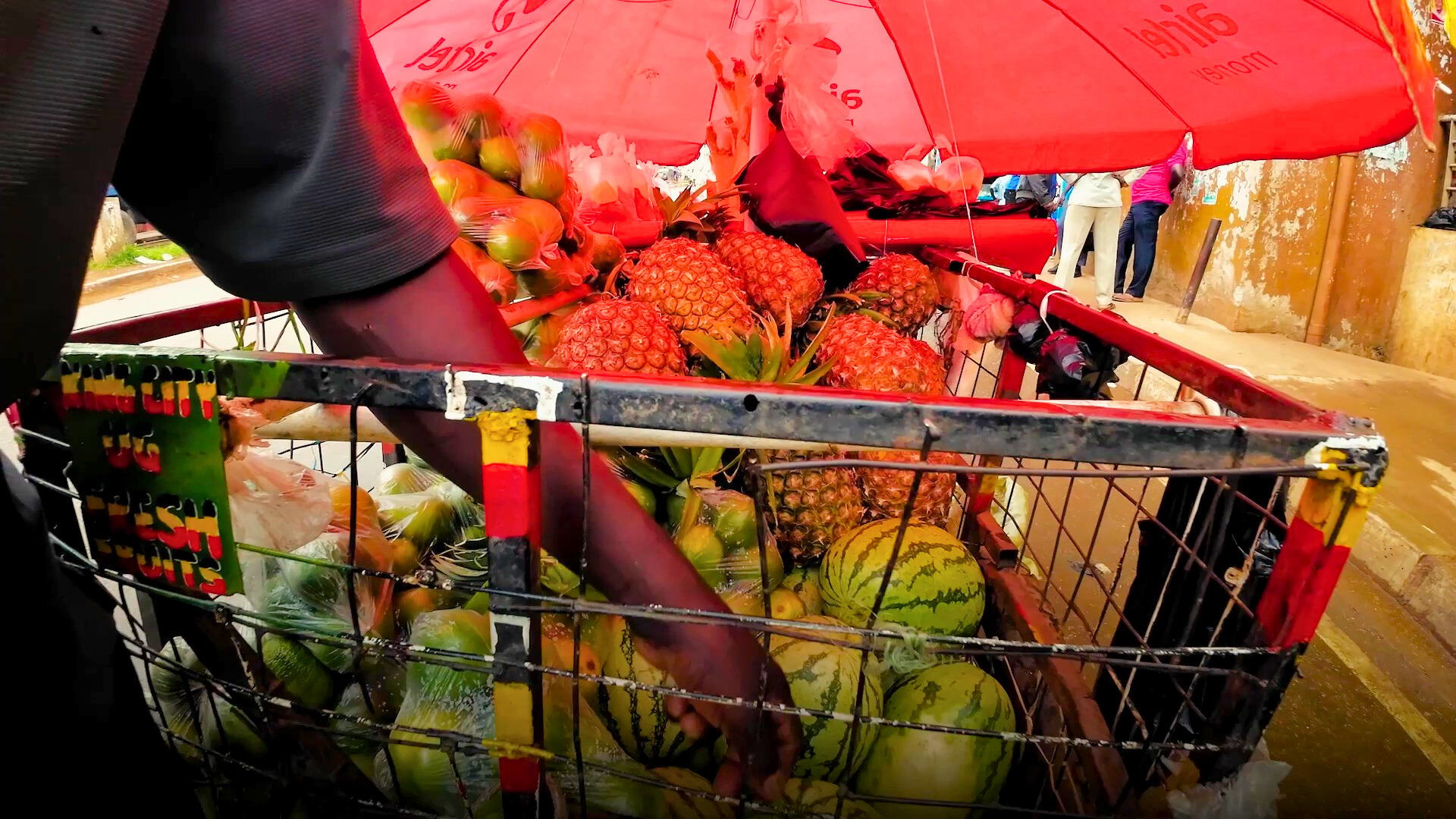
In Mbale (Uganda), a partnership between farmers, market vendors and the city strengthens local food markets. On the one hand, 1,100 farmers in and around the city shifted to more sustainable fruit and vegetable production. On the other, 280 market vendors who sell their produce received training in hygiene and sales. Safe, affordable food thus generates higher incomes for both farmers and vendors.
Food is the most affordable form of healthcare. Local food policy makes preventive action possible, for example through healthy school meals or the offer in community kitchens.
In Denpasar (Indonesia) and Ha Noi (Viet Nam), school food is used to tackle undernutrition and as a tool for food education. Ultra-processed products are no longer offered; pupils receive more fruit and vegetables, and they learn where their food comes from. The structural demand for healthy food also creates a stable market for farmers in the surrounding areas and encourages them to significantly reduce pesticide use.
In recent years, Rikolto has worked with several schools in Belgium on a new approach to school food. This ranges from healthy snacks to a fully renewed approach to school meals, with automatic social correction mechanisms in place. This lays the foundation for healthy eating habits in the long term.
One important lever remains underused today: the role of local authorities in shaping the food environment. Which food can be sold where? Today we see a spread of “food swamps”, where unhealthy food is almost the only option.
Access to healthy food cannot be taken for granted. Worldwide, one in three people cannot afford a varied diet. Local authorities can turn this around by treating food as a basic right and as a lever for stronger communities.
In Aalst (Belgium), neighbourhood restaurant De Combi shows how healthy meals at affordable prices go hand in hand with training and work experience for people who face barriers to employment. And in Ghent (Belgium), ‘Rabot op je Bord’ brings residents together in weekly cooking workshops. They turn surplus fruit and vegetables from local farmers into preparations such as vegetarian dishes and sauces, soups and sandwich spreads, which are sold in the social grocery shop.
Meanwhile in Lima (Peru), neighbourhood kitchens emerged during the COVID-19 pandemic, where families in vulnerable situations cook together. Over time, they organised their own food markets with farmers from the nearby Pachacamac valley. City residents gained access to healthy, affordable food, while farmers were able to sell smaller harvests as well.

Food accounts for about a third of greenhouse gas emissions. Local food strategies can reduce that impact by promoting more plant-based diets and circular solutions. In Belgium, this takes shape for instance through the initiative ‘Hasselt is ons ERF’, with attention to short supply chains and biodiversity in the city of Hasselt. At the same time, initiatives such as De Voedselploeg in Bruges show how food surpluses are rescued and redistributed at scale. Less food in the bin means lower emissions and more efficient use of scarce resources.
In the Indonesian city of Depok, newly trained women farmers are transforming a former landfill site along the motorway into a productive urban farm. Research shows that these green spaces lower local temperatures. Urban agriculture therefore addresses needs around food and employment, and also offers a concrete form of climate adaptation to urban heat islands.
Local food policy encourages participation. Through food councils and consultation platforms, farmers, residents, entrepreneurs and people in vulnerable situations have a voice in policy. This improves the quality of decisions and the support for them. Food policy also requires different policy areas (health, climate, social affairs and the economy) to work together.
In Mbale (Uganda), a Good Food Parliament and a Good Food Council have been in place for several years. They bring together farmers, market vendors, residents and city services to address bottlenecks in the food system. Their recommendations on waste management, infrastructure and food safety were taken up in city policy and led to concrete measures.
How valuable would it be if policy were always grounded in real experience... Cities and municipalities function as testing grounds where new solutions are developed, tested and refined. By building on experience from the ground up, policymakers gain insight into what works and what does not.
In Belgium, pioneering cities such as Ghent, Leuven and Antwerp helped inspire the Go4Food food strategy. In Arusha (Tanzania), collaboration between farmers, market vendors, local authorities and supporting partners has grown into a scalable model for sustainable water management and food safety. Thousands of farmers can invest in solar-powered drip irrigation, while cities co-invest in market infrastructure and low-threshold food safety systems. These systems now inform national food safety policy.
This article was originally published in Dutch on the website of Belgian magazine MO* and translated for our website.



.jpg)