
At the Food Waste Fest, Rikolto and Mosquito in the Room presented a holistic approach to food in the care sector, the ‘Whole Care Food Approach’. With this approach, care facilities view food not merely as a logistical issue, but as an integral part of good care.
On Monday 28 September, Rikolto, OVAM and the Agency for Agriculture and Sea Fisheries organised the Food Waste Fest. This 7th edition brought together around 170 professionals from different backgrounds, all sharing a common goal: to reduce food waste.
One of the major themes this year was food in the care sector. Mélodie Arts, FoodWIN coordinator at Rikolto, and Amy Verbeke from Mosquito in the Room, presented the ‘Whole Care Food Approach’ (WCFA). “In healthcare settings, food is still too often treated as a purely logistical matter. Yet mealtimes are the moment of the day that people look forward to, and nutrition plays a major role in prevention and recovery,” explains Mélodie Arts (Rikolto). “If care recipients do not eat their food, this is detrimental to their health as they do not consume sufficient nutrients, particularly for the elderly, who often suffer from malnutrition. Food that is not eaten ends up in the bin, so it is also harmful to the health of the planet. The WCFA makes the connection between healthy eating, reducing food waste and offering more plant-based menus. This enables care facilities to systematically integrate healthy and sustainable food into their operations and policies.”
Rikolto and Mosquito in the Room have already successfully tested the approach in four healthcare institutions: Antwerp University Hospital, AZ Sint-Lucas in Ghent, Azorg and AZ Klina. The benefits of such an approach are wide-ranging, as Amy Verbeke of Mosquito in the Room explains: “Investing in tasty, healthy and sustainable food not only leads to healthier people and a healthier planet, it also increases satisfaction among residents and staff. What’s more, through smart menu planning and reducing food waste, you can save on unnecessary costs. You can then reinvest those funds in healthy and sustainable food.”
"In our approach, collaboration is a prerequisite for sustainable change." Mélodie Arts, Rikolto

The ‘Whole Care Food Approach’ builds on insights from the Dutch network ‘Goede Zorg Proef Je’, the FoodPlus project and the ‘Whole School Food Approach’. The latter approach was developed by Rikolto as part of the European ‘SchoolFood4change’ project and is based on four pillars:
These pillars were tested over a four-year period in more than 600 schools across 12 countries. The Whole Care Food Approach builds on the lessons learnt. During the Food Waste Fest, attendees explored various themes linked to these pillars to identify the opportunities and challenges involved. “We sensed a great deal of enthusiasm for this approach, particularly because it makes collaboration inevitable and is a prerequisite for sustainable change,” says Mélodie Arts (Rikolto). “It is time to bring together the ambassadors from care facilities in a learning network and turn this into a sector-wide initiative.”


"In our approach, collaboration is a prerequisite for sustainable change."
Keynote by Tristram Stuart: “Do not underestimate the emotional impact of food waste”
This year’s keynote address was delivered by Tristram Stuart, a leading international expert and UN Ambassador for Action Against Food Waste. Alongside a range of success stories, Stuart also highlighted the emotional impact of food waste. Staff in supermarkets, food producers or commercial kitchens find it heart-wrenching to throw away perfectly good food. Conversely, when they are able to save food by donating or reusing it, this provides an enormous boost to job satisfaction and pride. Stuart argues that we must embrace the outrage surrounding food waste, because the satisfaction of saving food is invaluable.
MO* interviewed Tristram Stuart about the importance of tackling food waste. Read the interview
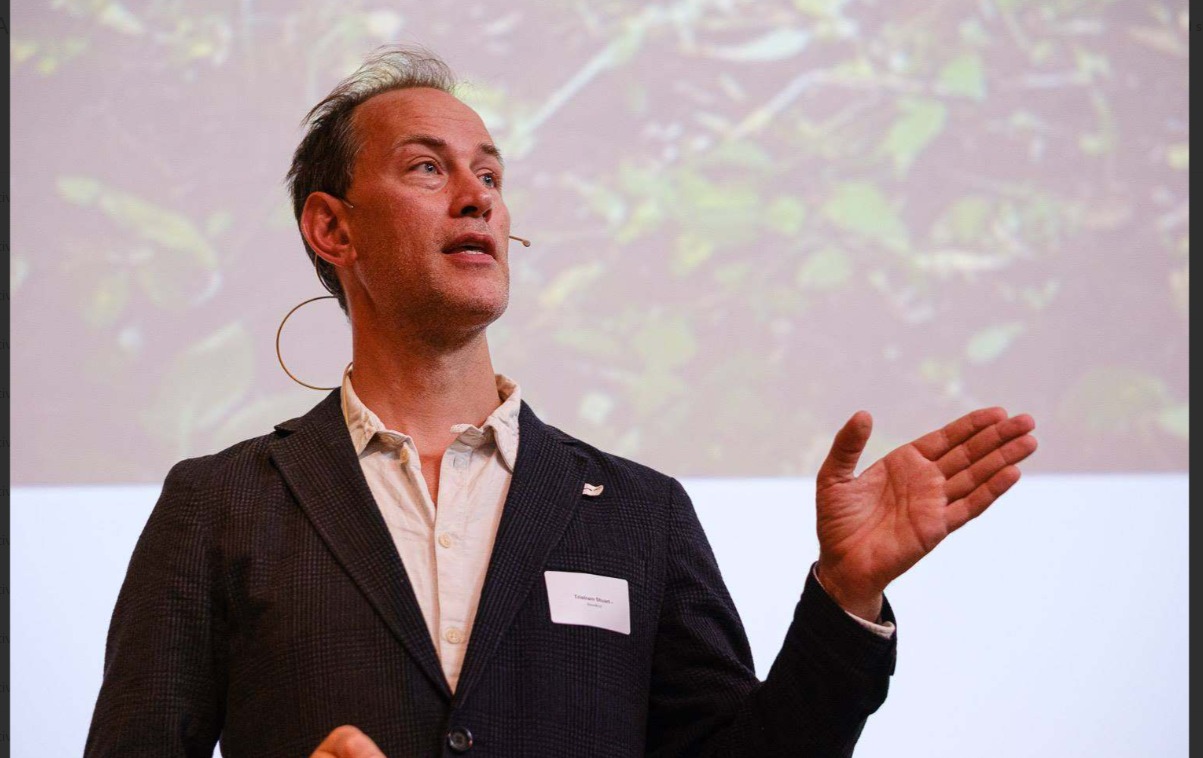
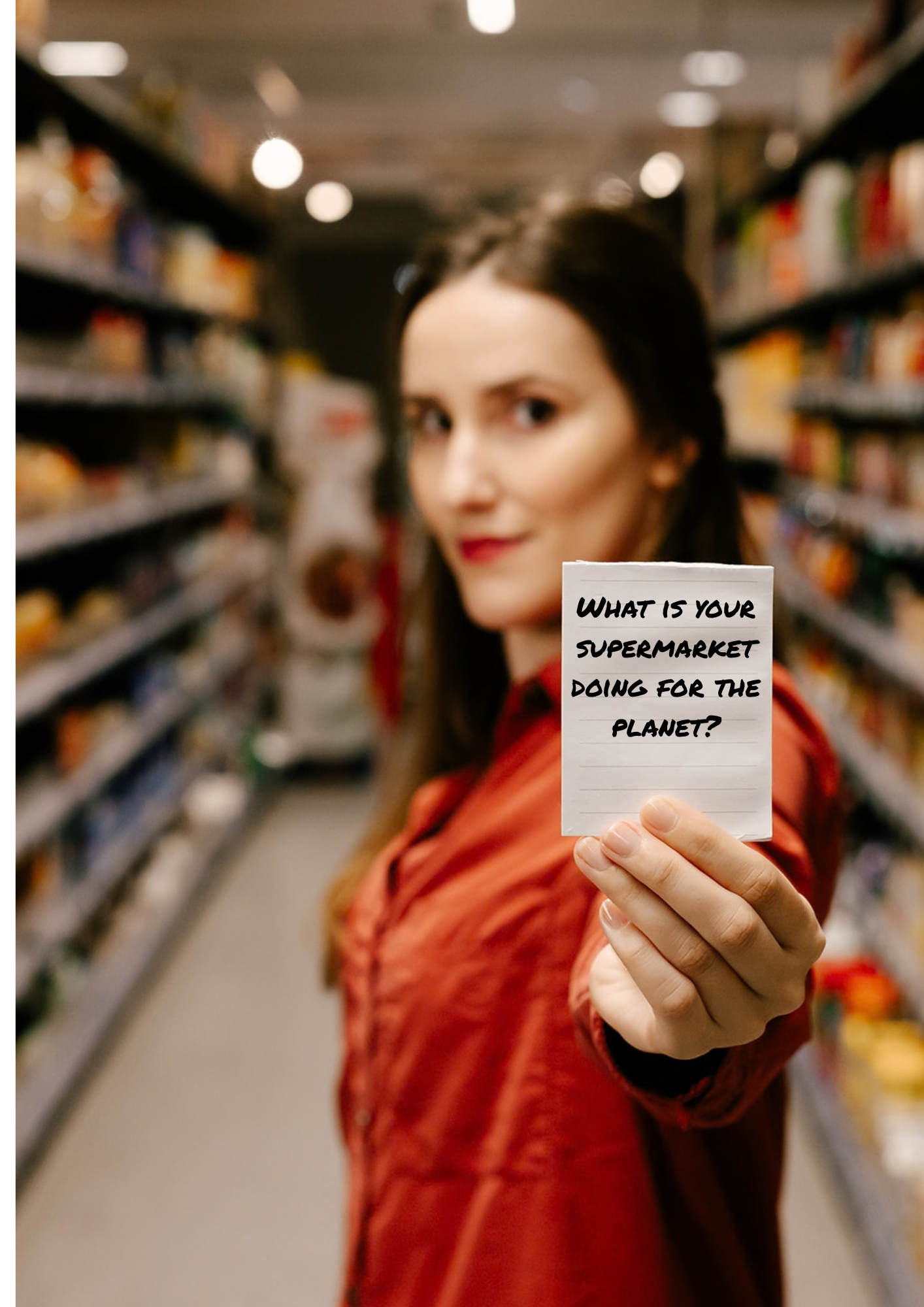
As well as food in care settings, the Food Waste Fest also featured a programme on food surpluses. OVAM outlined the European targets and the latest figures on food waste streams, after which a number of practitioners explained how they are tackling these waste streams. Johan Claes, for example, described how FoodSavers Kempen integrates the redistribution and distribution of food waste into a social employment project. Tristan Fremault from Revive Ingredients, meanwhile, demonstrated how his organisation sustainably extracts ingredients from food waste that are suitable for human consumption. Finally, Maarten Corten of Rikolto emphasised that, in addition to food waste streams, supermarkets can also prevent food waste further up the supply chain and in their customers’ households. The report ‘Superlist Environment Belgium 2026’ highlights what supermarkets are already doing and what more they can do.
The attendees then split into small groups to discuss the question: where do we want to be by 2030, and what crucial steps do we need to take to get there? Among the outcomes was the need for more harmonised regulations and policies, both vertically (regional – federal – European policy) and horizontally (across the three regions). The importance of consumers actively demanding less food waste was also highlighted. Despite these challenges, the discussions revealed a strong enthusiasm amongst all stakeholders to take the next steps in tackling food waste.
This story first appeared on October 8, 2026, in the Rikolto in Europe website, and we’ve translated it for you here.



.jpg)