



A slightly rough-skinned orange, an irregularly shaped radish, or a gently curved cucumber are sometimes classified as “ugly” produce. Although these fruits and vegetables remain safe and of good quality, they are frequently sold at lower prices, face limited market access, and are sometimes even left unharvested in the field.
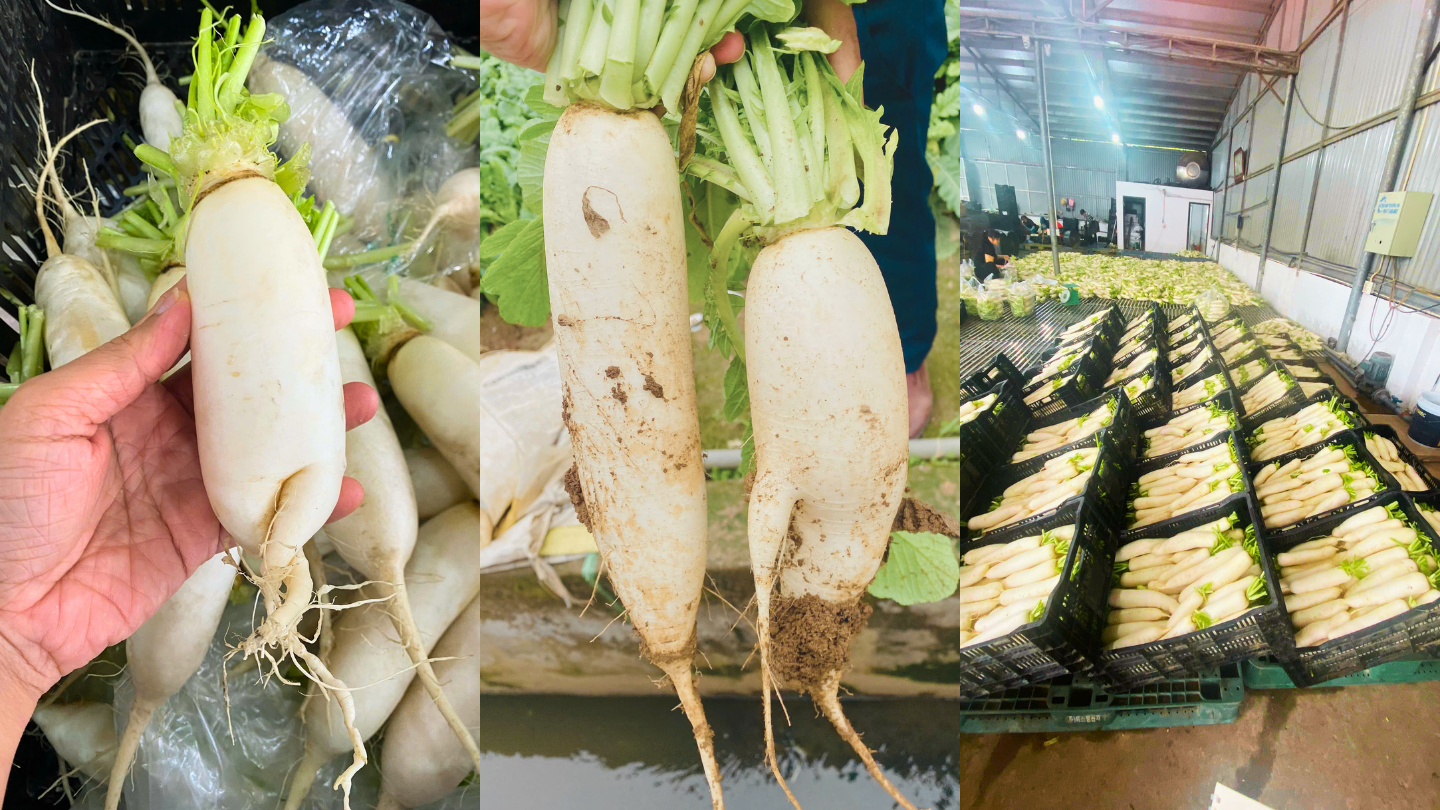
In the context of food loss and waste becoming a global challenge, “ugly” fruit and vegetables are receiving increasing attention. According to the United Nations Environment Programme (UNEP), an estimated 1.05 billion tonnes of food were wasted globally in 2022 across retail, food service, and household sectors.
Understanding where and why food is wasted is an important first step towards identifying opportunities for more sustainable food system.
One of the factors contributing to food loss and waste is the use of strict cosmetic standards in food distribution systems. Fruits and vegetables may be rejected based on size, shape, weight, or appearance rather than their edibility or nutritional value. As a result, large amounts of edible produce are excluded from the market, particularly during peak harvest seasons.
In Vietnam, “ugly”, agricultural produce presents distinct characteristics. Unlike many Western countries, where fruits and vegetables are mainly distributed through supermarkets with strict aesthetic standards, Vietnam has multiple parallel distribution channels with varying levels of acceptance.
As a result, many fruits and vegetables that do not meet visual standards are still sold through wholesale markets, traditional wet markets, or institutional kitchens, often through price adjustments or channel shifts.
However, even when these products are sold, they are often subject to price pressure, especially during periods of oversupply or when transportation and storage conditions are limited. This reduces their economic value and leads to incomes that do not fully reflect farmers’ labour and production efforts.
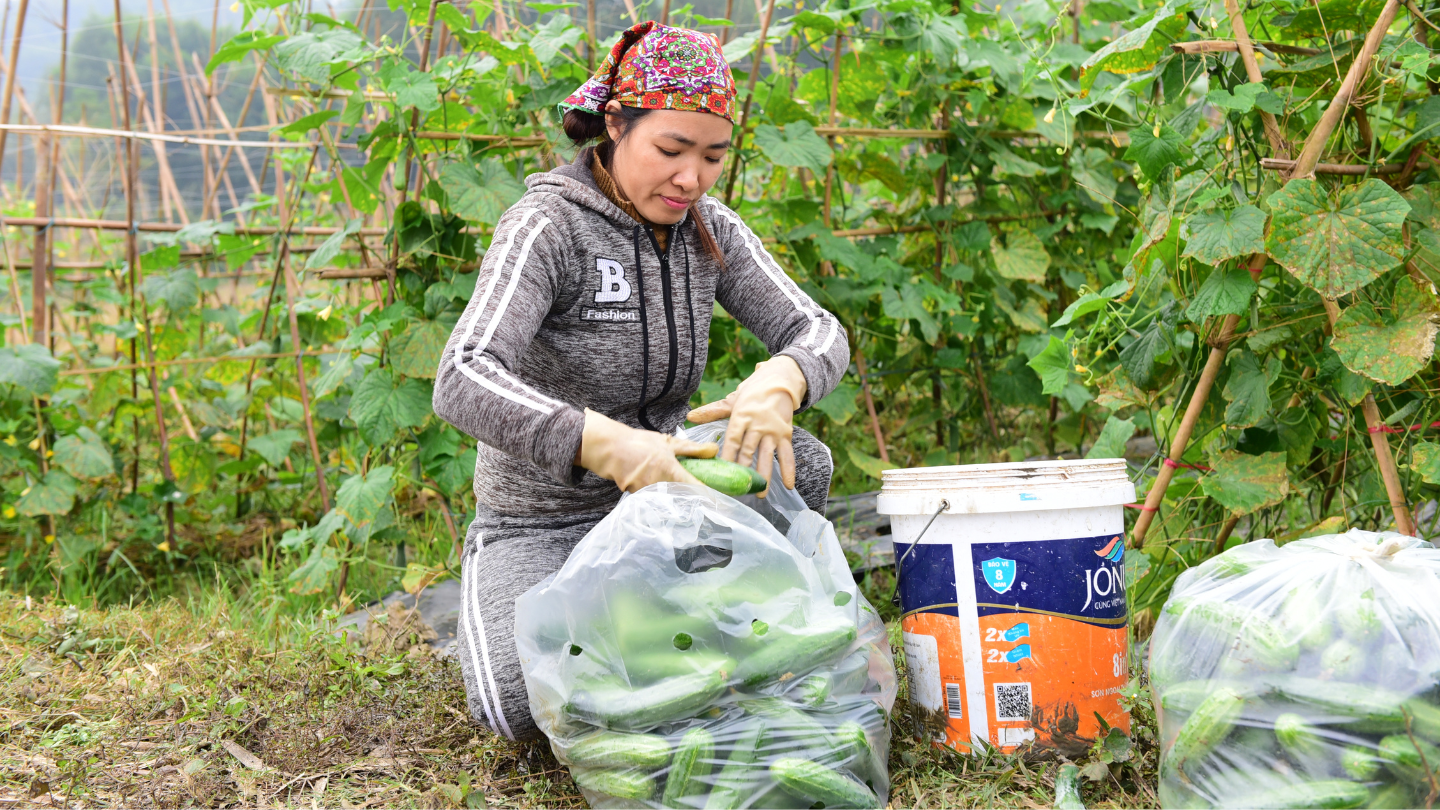
With this perspective, the project “Advancing Climate Action through the Promotion of ‘Ugly’ Fruit and Vegetable Consumption in Vietnam: A Participatory Approach to Combat Food Loss and Waste for Food Security and Poverty Reduction” was launched to better understand “ugly” produce in Vietnam. An initiative supported financially by the Belgian federal government through VLIR-UOS, a Flemish interuniversity organisation.
The project aims to propose solutions to reduce food loss and waste, improve smallholder incomes, and promote a more sustainable food system.
The project runs from 2024 to 2029, is led by Ghent University in Belgium (Prof. Dr. RNutr. Christine Yung Hung), in collaboration with Hue University of Economics, and Rikolto. It contributes to the Sustainable Development Goals (SDGs), particularly SDG 1 (No Poverty), SDG 2 (Zero Hunger), SDG 12 (Responsible Consumption and Production), and SDG 13 (Climate Action).
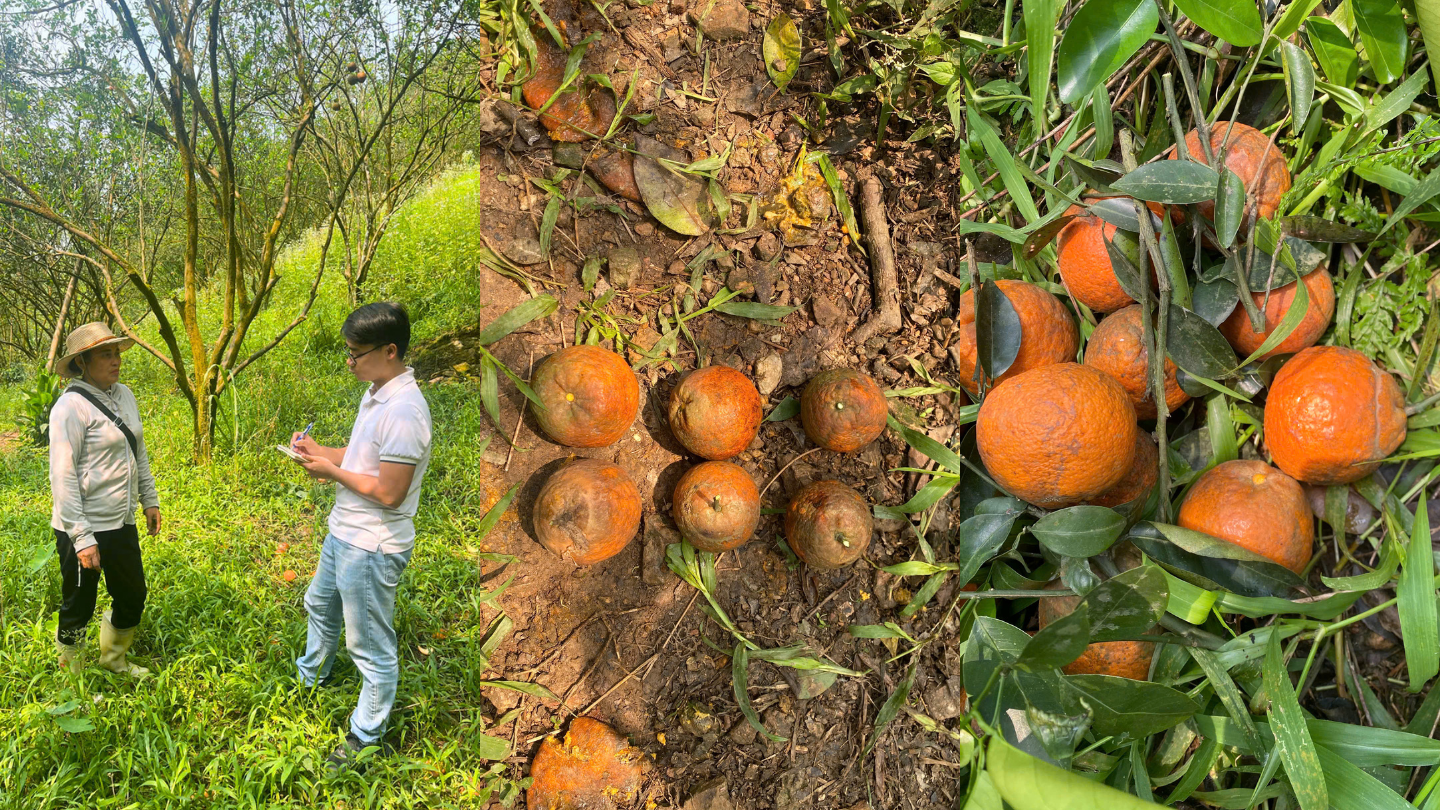

As part of the project, a survey of cucumber supply chains in Phu Tho, orange production in Tuyen Quang, and radish production in Hanoi shows that “ugly” produce refers to products with uneven shapes or forms that do not meet the aesthetic standards of certain distribution channels. Particularly supermarkets, despite maintaining good internal quality.
Common examples include lightly pest-damaged or bruised leaves, uneven coloration, misshapen or oversized small roots and fruits, weather-related blemishes or scars, and produce that ripens quickly and is difficult to store, often classified as lower-grade produce by traders and retailers.
.png)
These characteristics are caused by multiple factors, including unpredictable weather, natural pest pressure, farming practices (such as organic or reduced pesticide use), uneven nutrient conditions, as well as manual harvesting and transport processes. These factors affect not only appearance but also classification and pricing in the market system.
These findings also highlight an important difference between Vietnam and many higher-income markets, where cosmetically imperfect produce is often discarded before reaching consumers. In Vietnam, such products frequently remain in the food system but are sold at a lower value.
"The challenge in Vietnam is not always that ‘ugly’ produce is discarded outright. Often, it is still sold, but at significantly lower prices. This means the issue is not only about food loss and waste, but also about how value is distributed across the supply chain and how those involved, especially smallholder farmers, are compensated for their efforts," - Prof. Dr. RNutr. Christine Yung Hung.
.png)
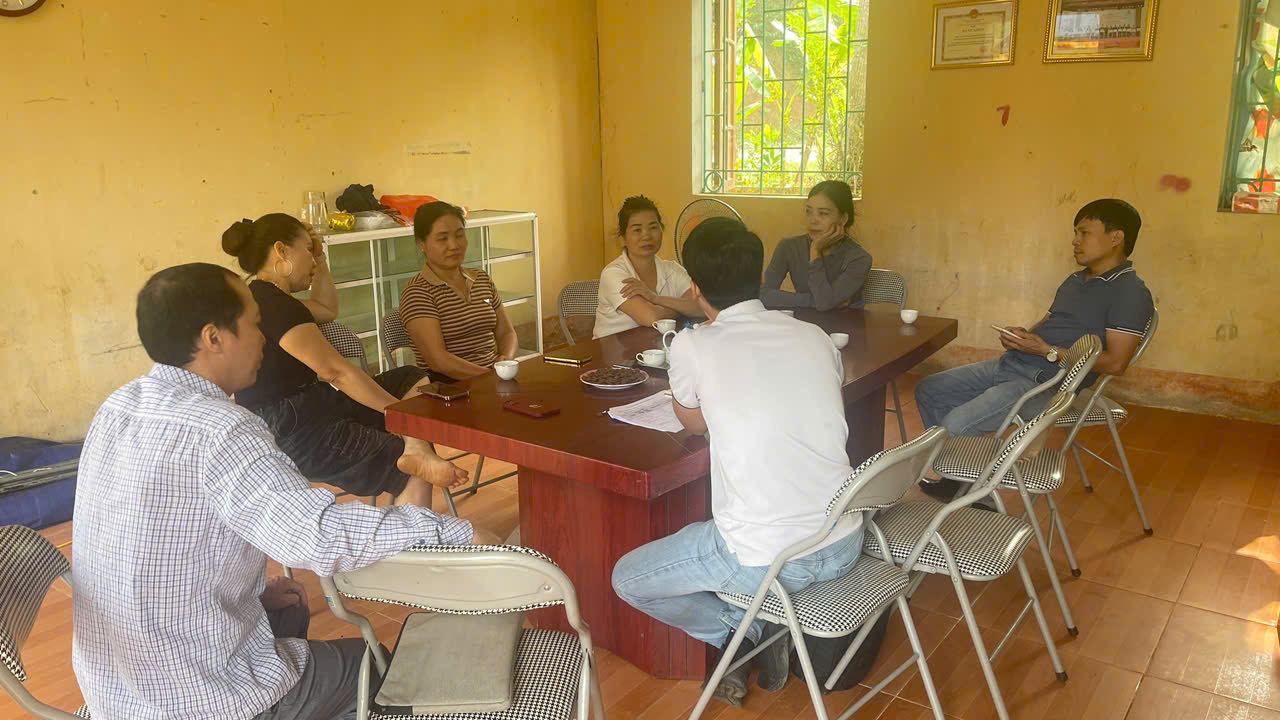
In 2026, the project team developed a research toolkit including the surveys in Tuyen Quang, Phu Tho, and Hanoi to assess food loss and waste in the fruit and vegetable value chain. A component of the project is its multi-stakeholder approach, involving the entire supply chain - from producers, traders, and retailers to consumers and government agencies.
The team collaborates with cooperatives, local technical agencies, wholesalers, and wet market vendors to better understand how “ugly” produce is classified, priced, and circulated.
This process not only generates data but also creates a space for dialogue among stakeholders, helping to share perspectives, address constraints, and gradually shift perceptions of “ugly” produce towards its reintegration into the food system in a more efficient and sustainable way.
As the next step, the project team is organising workshops alongside pilot interventions in schools, traditional markets, and production areas in Tuyen Quang, Phu Tho, and Hanoi.
Using a participatory approach that brings stakeholders together to co-design, test, and refine practical solutions, these activities engage farmers, traders, consumers, schools, local authorities, and other value-chain actors.
The focus is on raising awareness, testing ways to communicate and marketing models for "ugly" produce and making communities more involved in reducing food loss and waste.

At a workshop held on 24 June 2026 in Tuyen Quang Province, Mr. Nguyen Tien Hung, Director of the BigGreen healthy food retail chain, shared that cosmetically imperfect produce already has assets to build on, including national quality certifications (OCOP and VietGAP), established local brands, better packaging and traceability, and these, he argued, are what should drive its market positioning.
Alongside this, the project will implement community outreach campaigns and nutrition education initiatives to shift consumer perceptions of food aesthetics and quality standards.
Through research, piloting, and multi-stakeholder collaboration, the project aims to reduce food loss and waste, improve smallholder incomes, increase access to affordable food, and contribute to a more sustainable and inclusive food system.
After all, the true value of agricultural produce does not always lie in perfect appearance, but in its quality, the effort behind its production, and the way we choose to value food.
This story was edited by Selene Casanova, communications coordinator at Rikolto, with select editorial processes supported by AI tools.
.jpg)


.jpg)