
Children run and play, while adults are chatting loudly; it is a sunny but pleasant day for a crowd gathered in a school playground. Each person is taking their turn with the microphone; a vendor at the local market, a woman from the neighbourhood, and the Resident City Commissioner. This is a meeting of the Good Food Parliament of Mbale in December 2025. The main topic in everyone’s conversations is food safety.
The Good Food Parliament brings together over 70 members; half are people working in the health, nutrition and agriculture areas of the city's local government. The other half are working as farmers or vendors in the local markets, in the market administration, a consumer’s association, private companies, and NGOs.
“Everyone is welcome, and that is hardly an exaggeration” reflects Peter Businda, programme coordinator at Rikolto and facilitator of this space from the start.
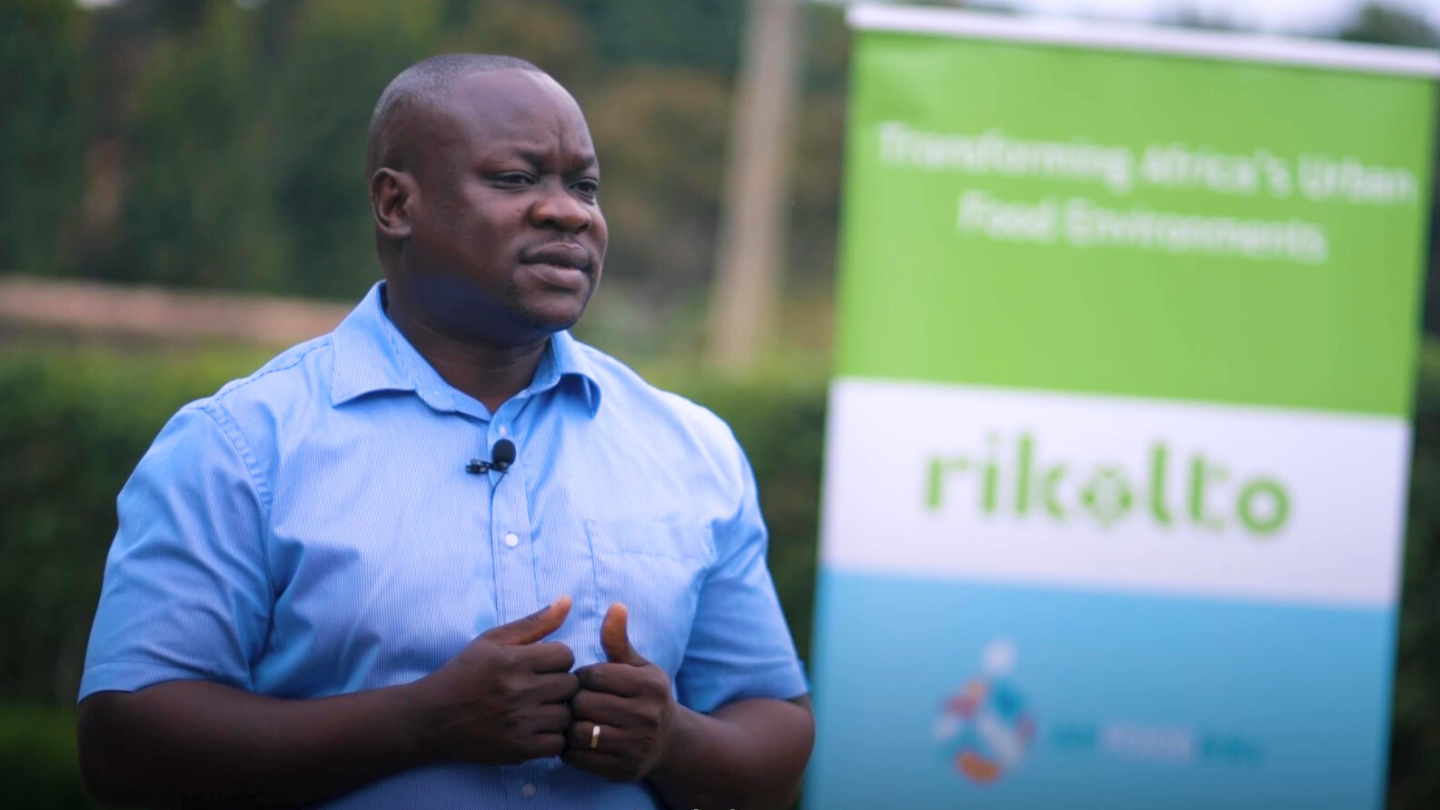
The purpose of the Parliament is to debate and make recommendations to address the city’s food issues, looking at the needs and opportunities from “every angle of the room”, using a systemic approach.
Peter was there when Rikolto, alongside the Global Consumer Centre (CONSENT), Food Rights Alliance (FRA), and Mbale City Council, first created an operational Good Food Council in 2022. The following year, a wider and more inclusive participatory space was born: the Good Food Parliament.
In the 1960s and 1970s, Mbale was known for being one of the best-maintained cities in East Africa. In the following decades, the city's population grew rapidly and became more urbanised.
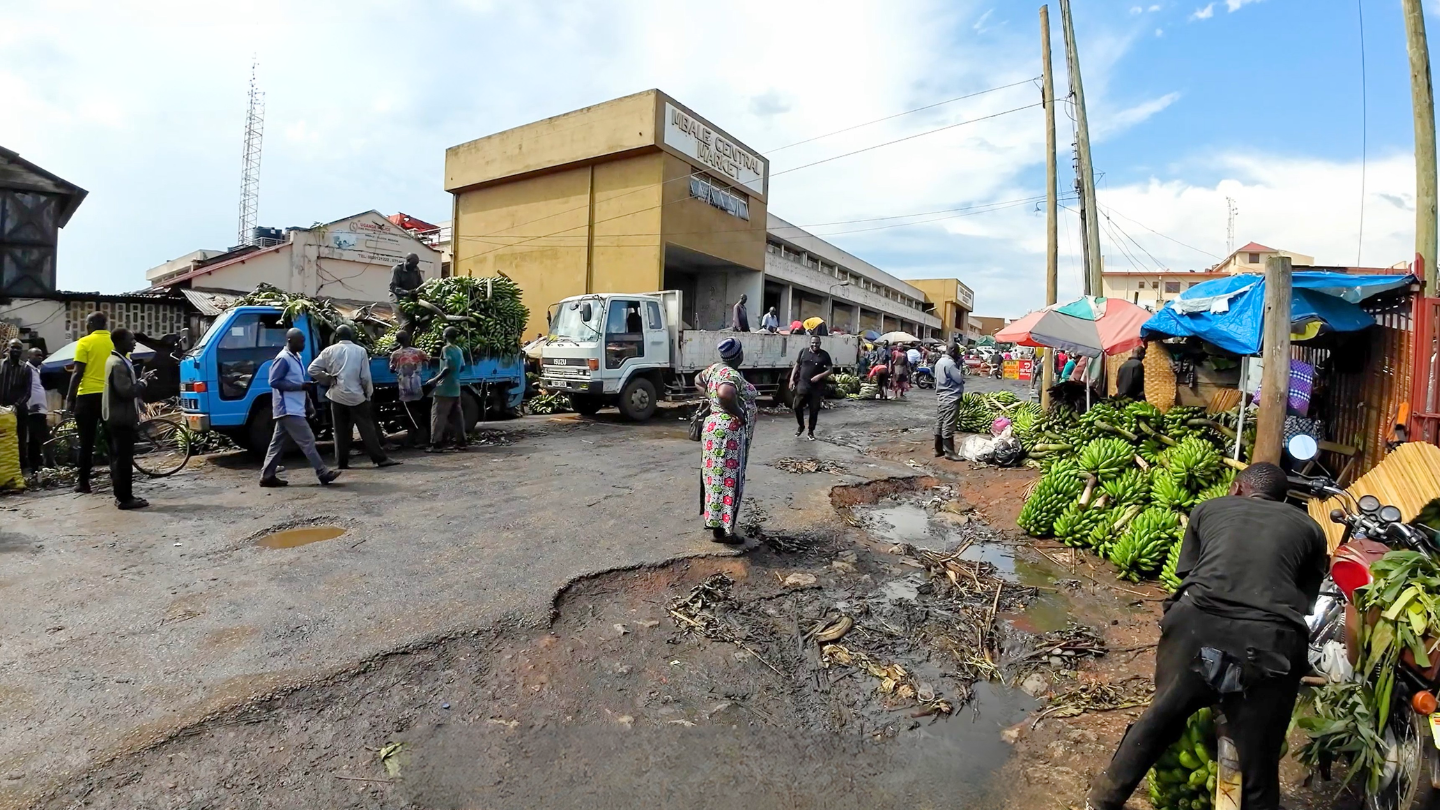
Today, with a population of 364,100 citizens, the city generates around 500 tonnes of garbage per day, 80 % of which is biodegradable waste. The municipality collects 70% and the rest can be seen accumulating in public spaces.
Waste frequently accumulates in the very areas where people buy and eat their food. This can create a serious contamination risk. A food risk study commissioned by Rikolto in 2020 found high levels of contamination of fruit and vegetables at several food outlets and main markets. These and other food system challenges were also further documented in a State of the City Food System report in 2024, commissioned by the AfriFOODlinks project led by ICLEI Africa, funded by the EU and coordinated by Rikolto in Mbale.
That same year with support from AfriFOODlinks, a series of real-life experiments were launched. The idea was to try to “move the needle” faster towards more safe and healthy food environments, starting with a market, a few city schools, and eventually, the main city abattoir.
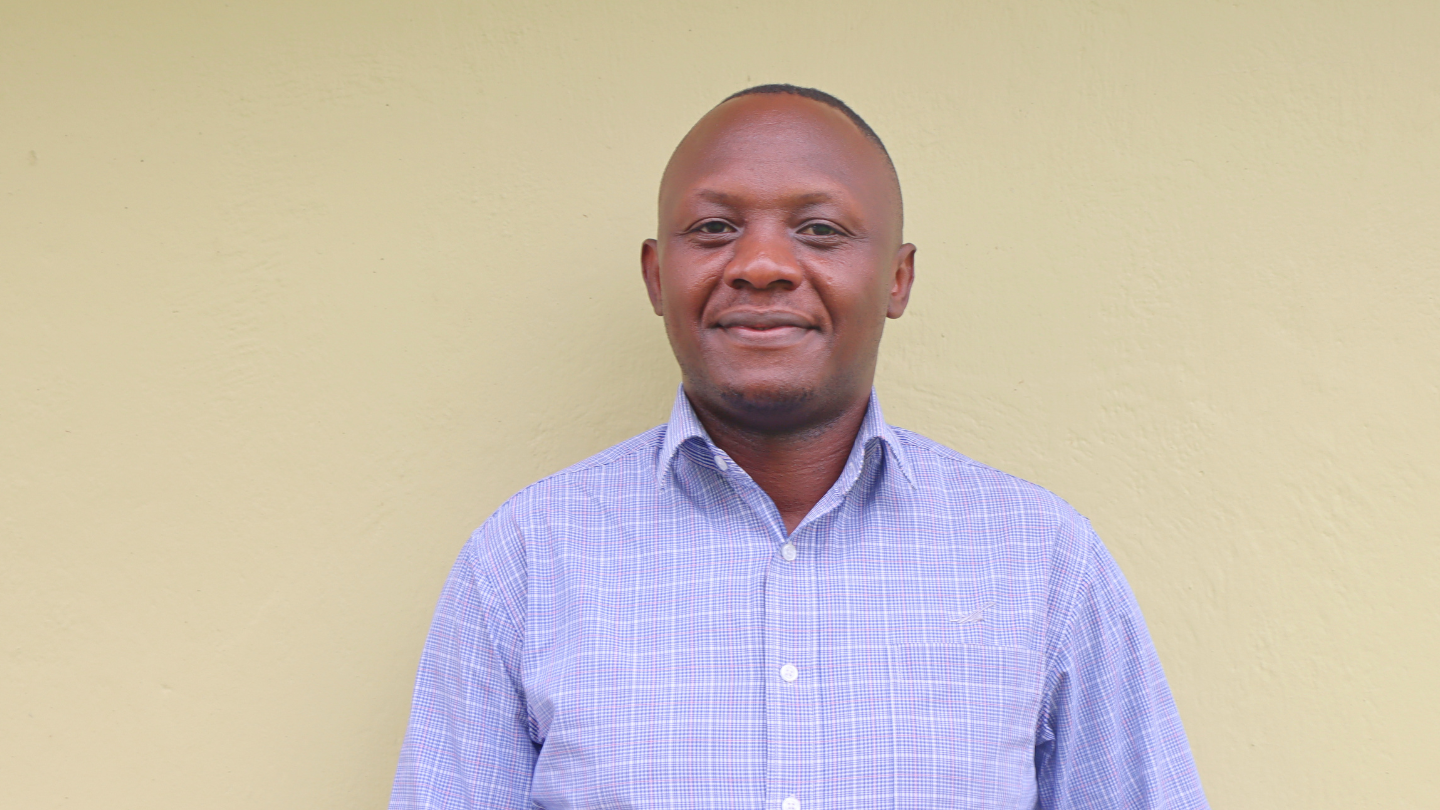
"We trickled down the issues identified by the research into the Parliament and debated them in terms of understanding the extent of the challenges and what the solution could be," explains Wilber Kakaire, Rikolto's AfriFOODlinks project coordinator in Uganda.
Within the Parliament, three areas related to food safety and food waste were prioritised: managing biodegradable waste in more circular and sustainable ways; continuing to upgrade market facilities for safer food preparation; and working on consumer education. Unlike the more general radio campaigns on food safety that the Parliament had promoted before, this time they tested an education model focused on nutrition and food safety within schools.
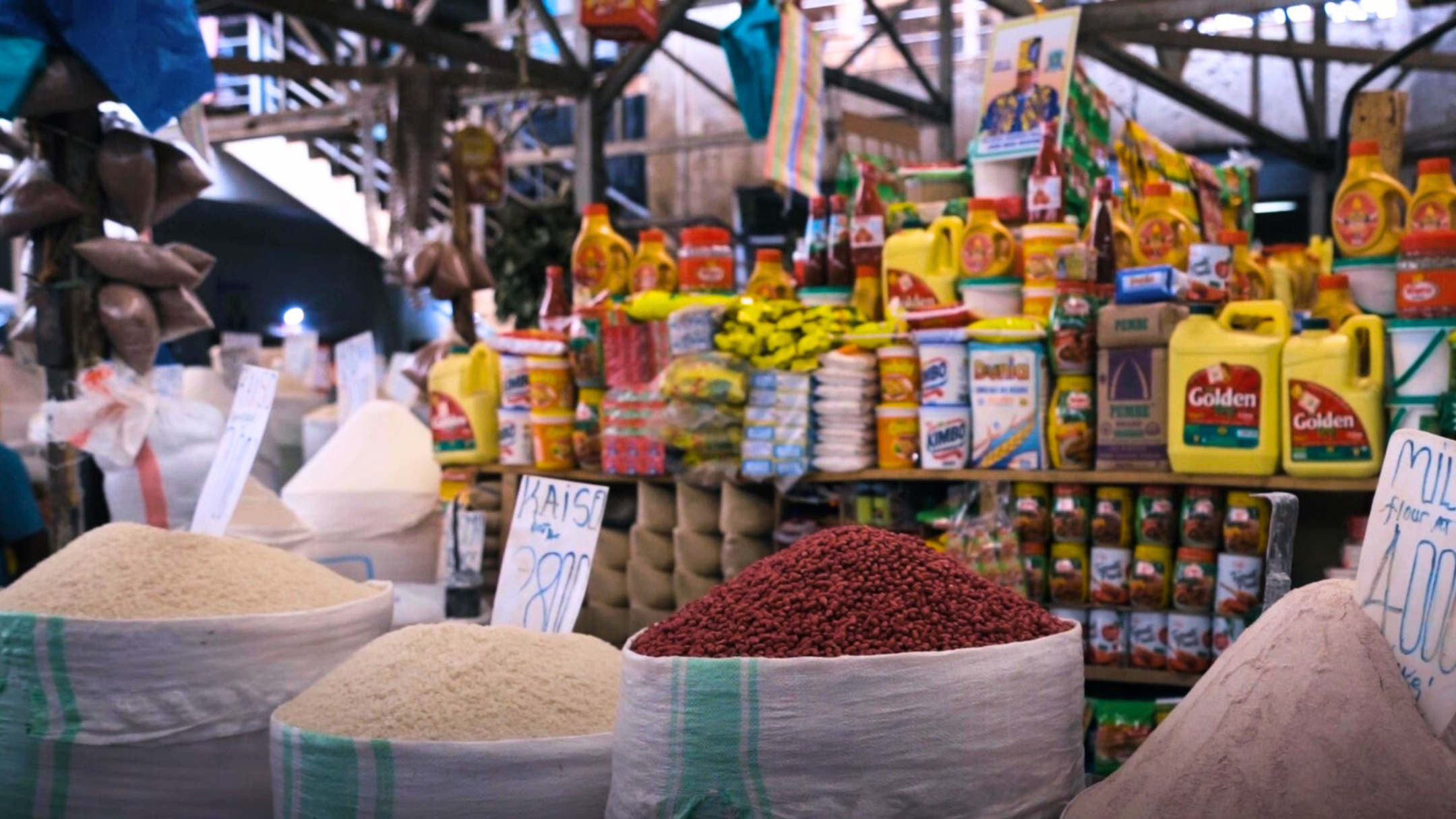
The Mbale Central Market is the city's primary food hub. “Right now, we have around 10,313 vendors at the market,” says Yusuf Nsubuga, the general secretary of this market.
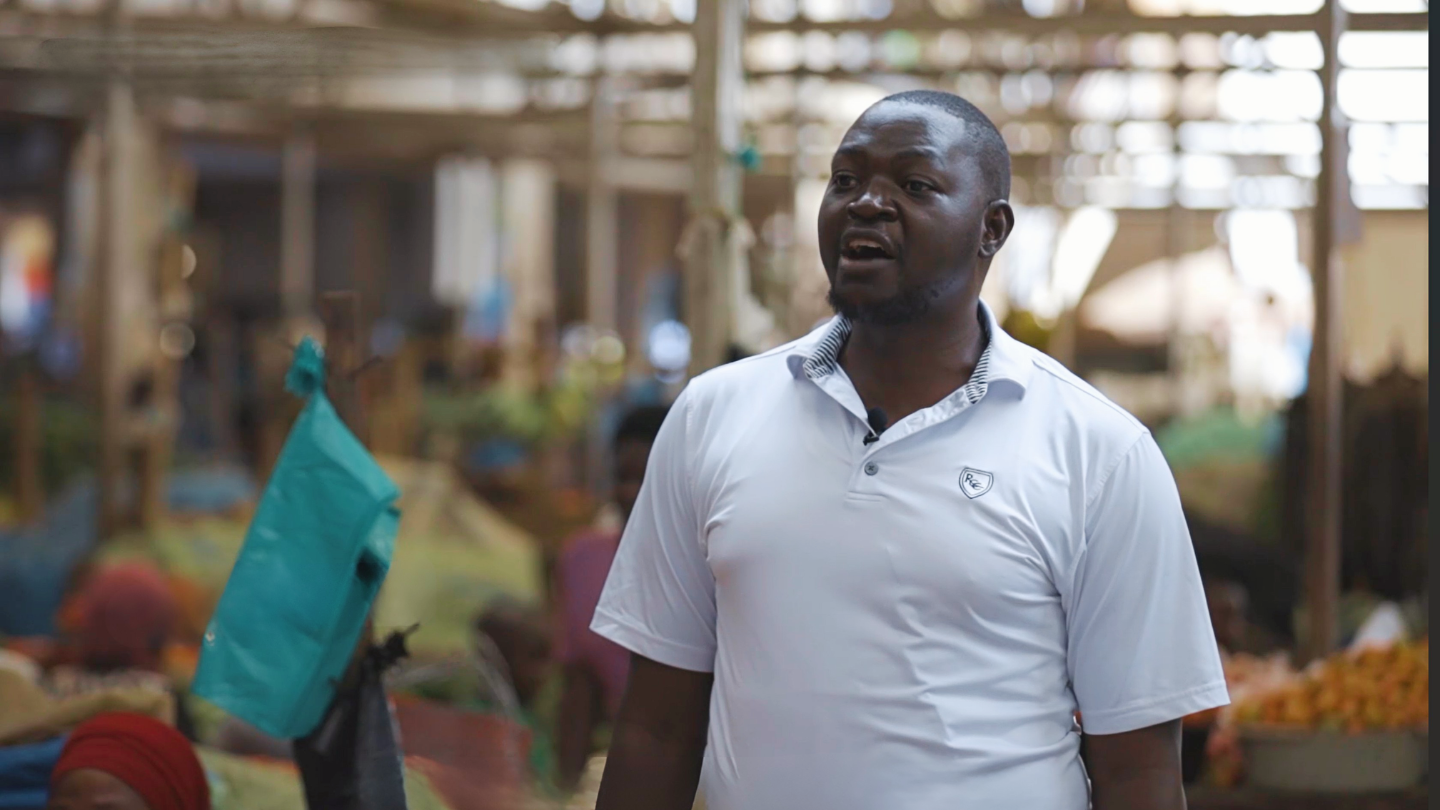
The women selling cooked food outside had been preparing meals beside a drainage trench that flooded when it rained; the food court inside had been built but was never furnished. Rikolto therefore worked with the city to construct a covered cooking area over the drainage trench for 50 women selling food outside and to build 150 new market stalls. The food court was also refurbished, walls were painted, furniture added, and the electrical system restored. After this “makeover” around 250 additional vendors invested in improving their stalls at their own expense.
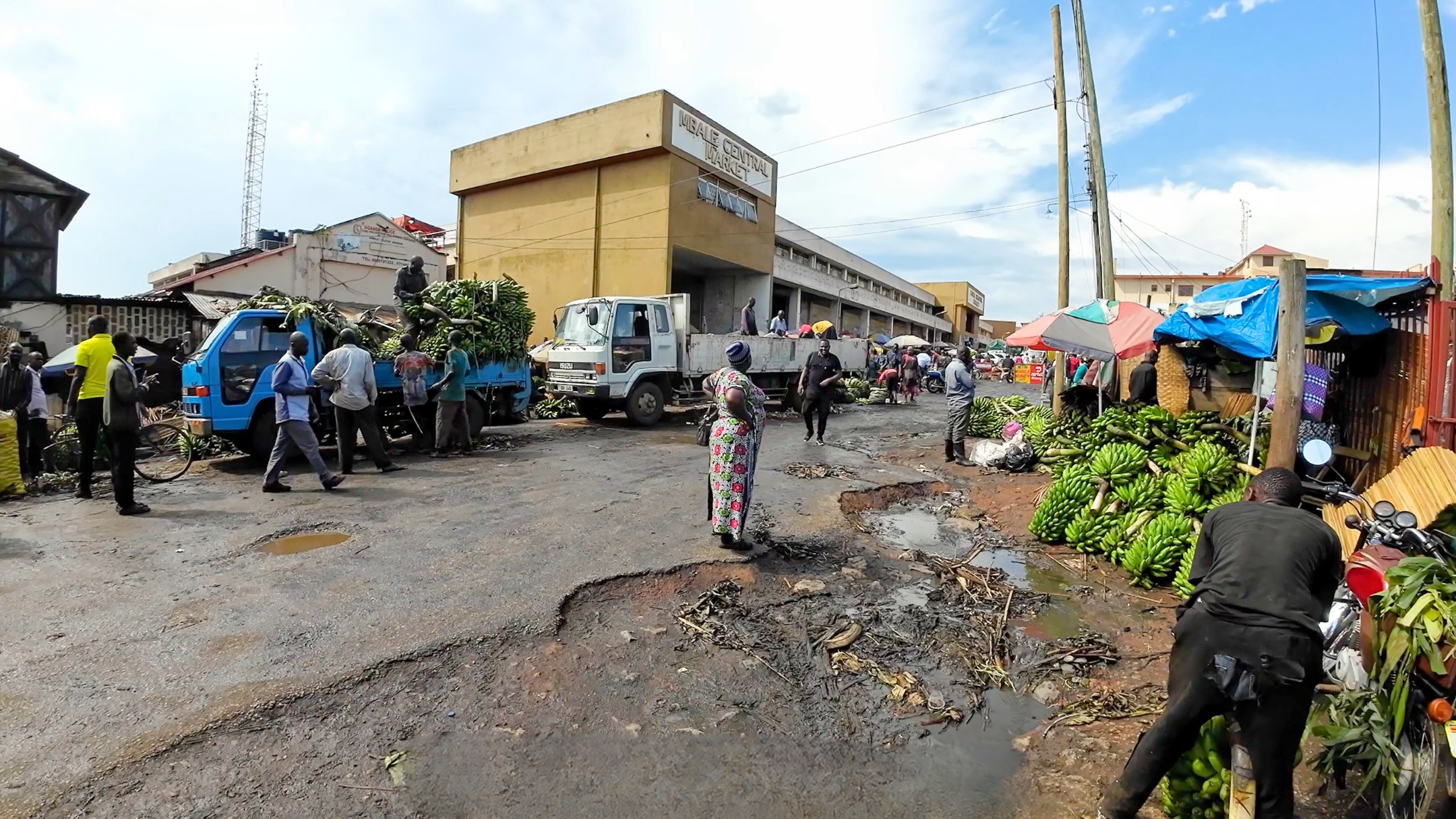
The next step was an adventure for those involved, requiring experimentation and risk-taking. They invested in Black Soldier Fly technology to reduce the large volumes of waste from the market.
"There was a lot of rubbish that was difficult and expensive to transport. The landfill was full, so our approach was to remove the organic component of the waste and turn it into usable products. This is a waste management process that is sustainable and can also create better socio-economic alternatives for Ugandans”, explains Andrew Balyeku, Director of Anhalt Africa.
The sorted biodegradable waste is converted into organic manure by the companies Anhalt Africa and Bamukwasi Rock Valley Fish Farm. The latter is part of another component of AfriFOODlinks which also works with start-ups to develop circular business models. Currently, out of the 7 tonnes of waste collected daily from the market, 1.2 tonnes are processed through this pilot.
The AfriFOODlinks project also co-invested in expanding the facility, recognising its potential. “Of the 80 farmers invited to use the compost, 10 are already buying it," shares Wilber, adding that there are plans to replicate the processing units in the city and in neighbouring towns such as Nakaole, located a 10- to 12-minute drive from Mbale.
The abattoir is where the city's meat supply is supervised for food safety before reaching the market, and it was in a state of serious disrepair. The facility supplies an estimated 70–80% of Mbale's meat, but the wall fence had completely collapsed, and livestock handlers were reluctant to bring animals in.
For this reason, the Parliament decided to include the abattoir as part of the prioritised investments of the AfriFOODlinks project. The work initially focused on improving the infrastructure, although once it began, the city sought additional funding to cover further upgrades. Meat handlers at the abattoir were also integrated into the same food safety training programme run at Mbale Central market.
.png)
In Uganda, school feeding is parent-led and non-mandatory. Some parents pay a fee, some provide food, some children buy from vendors at the school gate, while others arrive and leave without eating.
The pilot's baseline survey found that only 22–30% of pupils in Mbale received a meal during the school day.
Working with Holland Greentech Uganda across 8 primary and 2 secondary schools, climate-smart gardens were set up producing nutrient-dense vegetables such as amaranth, kale, spinach, and aubergines, some of which were added to meals already being prepared at the schools. Over 1,500 pupils received training in nutrition, food safety, and garden management, while 1,000 parents attended Parents-Teachers Association (PTA) meetings designed to increase awareness of the importance of balanced meals and to encourage families to enrol their children in their school's existing meal arrangements.
By the end of the short intervention, at least 90 children at Namakwekwe and Wambwa Primary Schools were enrolled in their school's meal programme in the second term. For each of them, for the first time, their parents had made that happen.

.png)
The above, and other similar interventions informed by the Parliament, are now part of Mbale's five-year City Nutrition Development Plan, which will come into effect in July 2026.
The Good Food Council has been incorporated into the City Nutrition Coordination Committee. “The market upgrades, the educational campaigns, and more are reflected in city planning with an allocated budget," shares Peter.
The school pilots are also pointing towards a similar scale-up process. Uganda is potentially transitioning from a parent-led to a mixed approach to school feeding.
The Ministry of Education and Sport is looking to consolidate the role of parents and government in a home-grown school feeding model funded jointly by both. Rikolto, as part of AfriFOODlinks and the SchoolFood4Cities project funded by IDRC, is contributing evidence from the pilot to national policy dialogues informing these decisions.
.png)




.jpg)