
A typical school lunch tray for a lower secondary student in Hanoi may include rice, a meat dish, soup, and a small portion of vegetables. At first glance, the meal may appear sufficient and appealing to children. But is it truly balanced for healthy growth and development?
Recent assessments conducted in Nam Trung Yen and Yen Hoa Schools in Hanoi showed that school meals generally met students' energy needs and followed good food safety practices. However, their nutritional balance still needed improvement. Students' food preferences often influenced the types of dishes included in the menus, and these frequently contained too much fat, limited vegetables, and deep-fried dishes.
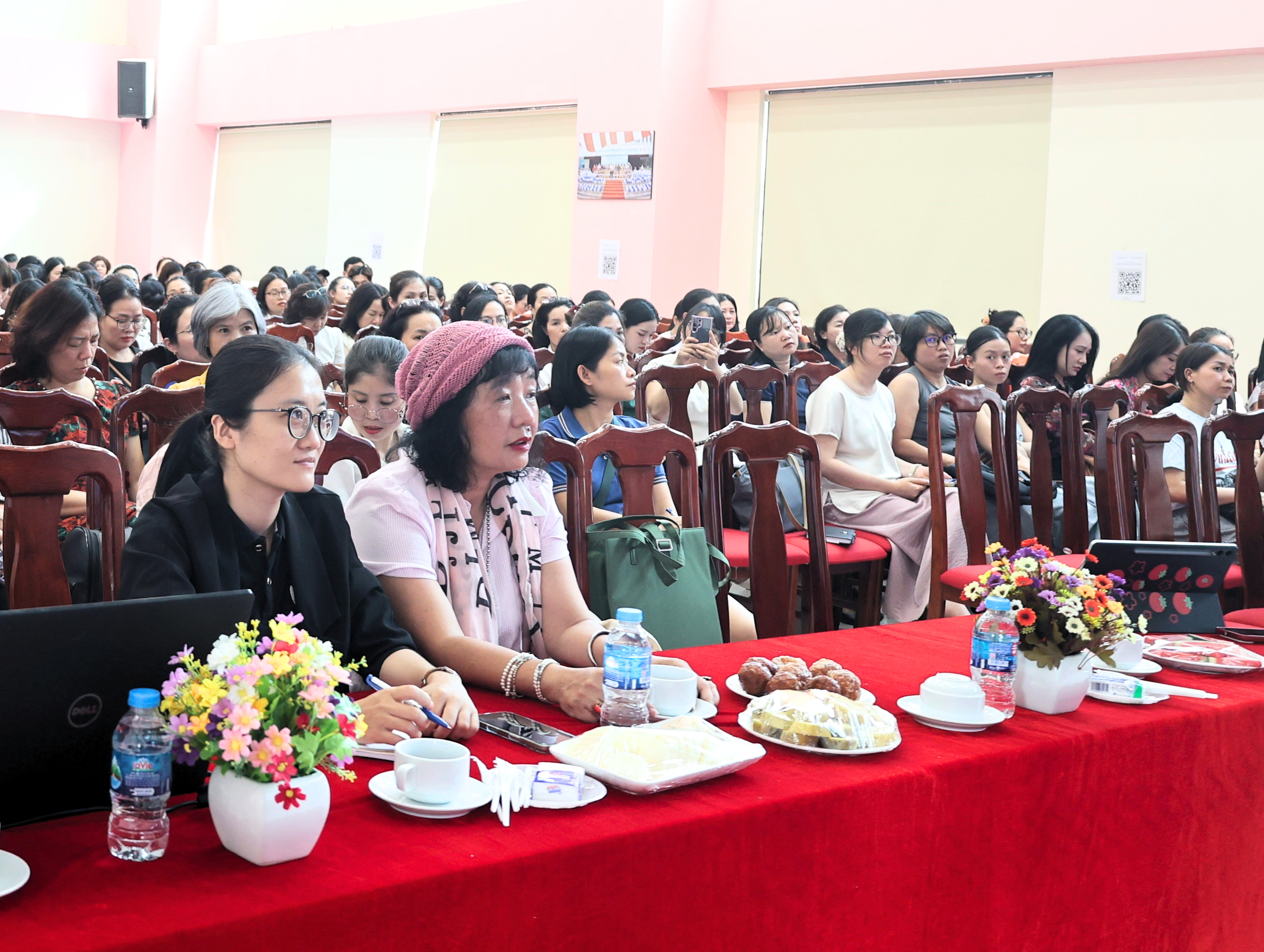
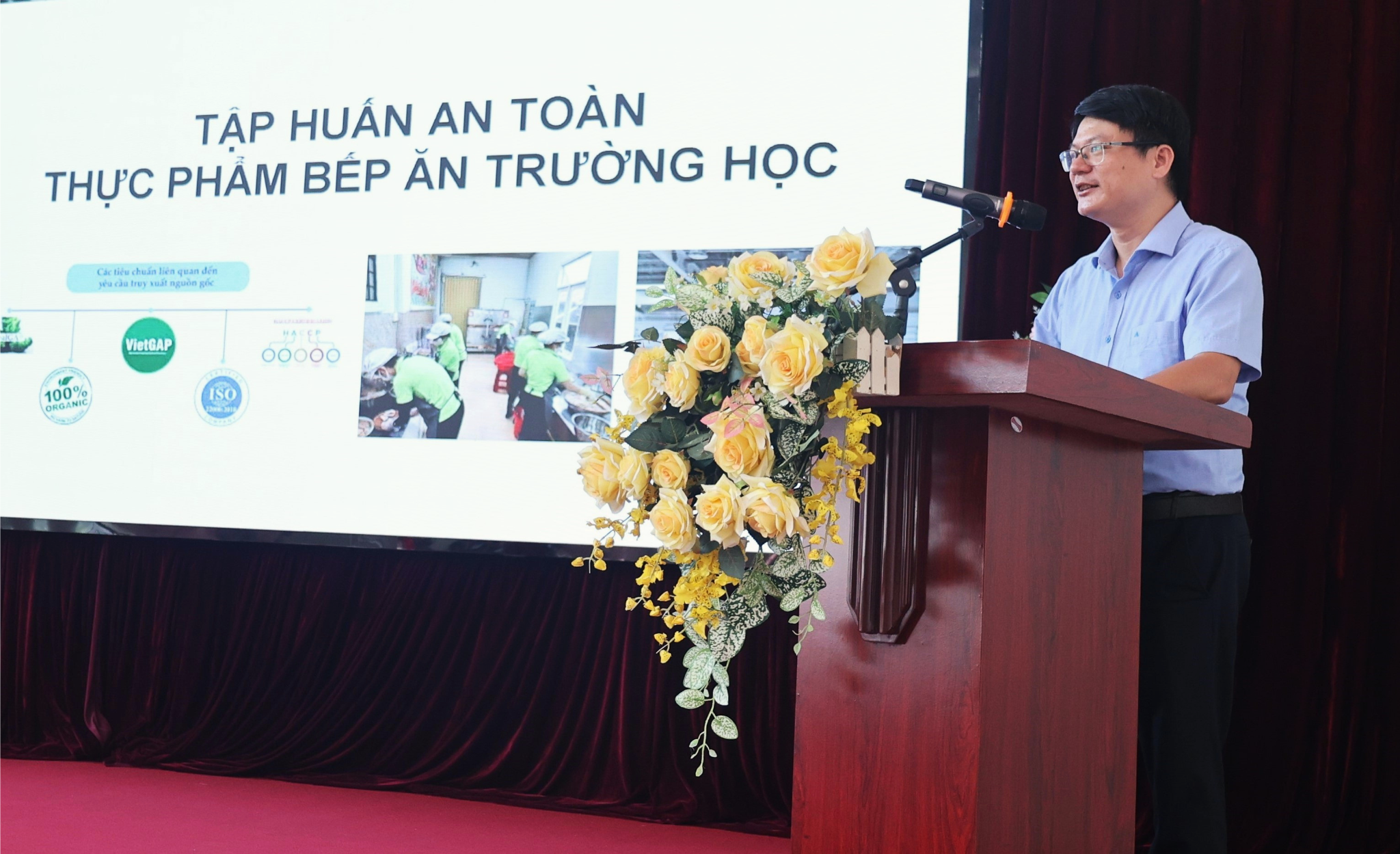
Amid growing concerns over school nutrition and food safety in Vietnam, Rikolto organised a training about “Nutrition and Food Hygiene Safety, and Guidance on Developing School Meal Menus in Educational Institutions”, in collaboration with the Culture and Social Affairs Division of Yen Hoa Ward.
The session was held on 14 May 2026 at the People’s Committee of Yen Hoa Ward (Hanoi), with 400 delegates from preschools, primary and lower secondary schools, educational administrators, boarding kitchen staff, and experts in nutrition and food safety. The activity took place in the context of Hanoi’s implementation of the 2026 “Month of Action for Food Safety” campaign in April and May (Plan No. 153/KH-UBND Hanoi People’s Committee).

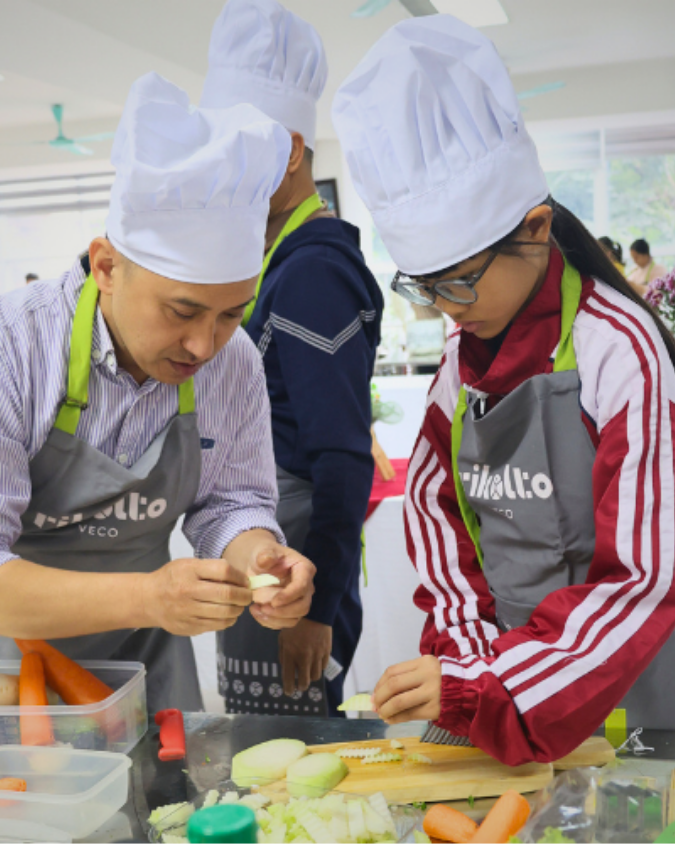
Changing what ends up on a child's plate requires working on what is taught in the classroom, what is served in the kitchen, who supplies the food, and who has a say in the decisions. This is the premise of Rikolto's Good Food at School initiative, based on a whole-school model approach that brings together students, parents, teachers, local authorities, and food suppliers around one shared goal: ensuring every student has access to nutritious, safe, and sustainable food.
In Hanoi, the pilot expanded from 2 in 2022 to 4 schools in 2025, reaching over 8,000 pupils, and a project toolkit on healthy eating was distributed to 16 secondary schools and three local government offices for reference and potential adoption. Within the framework of the project, a set of nutritionally balanced menus and guidance materials has been developed and piloted in Nam Trung Yen, Yen Hoa, Truong Cong Giai, and Nghia Tan schools in Cau Giay, Yen Hoa, and Nghia Do wards, and adopted from December 2025, initially receiving positive feedback from educational institutions
If we are talking about “putting the pieces together”, that is one of the intentions of the “Month of Action for Food Safety” campaign. The training took place within this broader initiative.
The campaign is directed to strengthen the inspections of collective kitchens, enhance the capacity of the staff and schools to prevent food poisoning, and promote food safety within school communities. At the same time, it puts a spotlight on the importance of coordination among authorities, schools, parents and communities in monitoring food supply chains, moving towards a more transparent and accountable system.
According to the National Nutrition Surveys from 2010 and 20201 the overweight and obesity rate among children aged 5–19 in Vietnam increased from 8.5% to 19.0% within just one decade, with particularly rapid growth in urban areas.
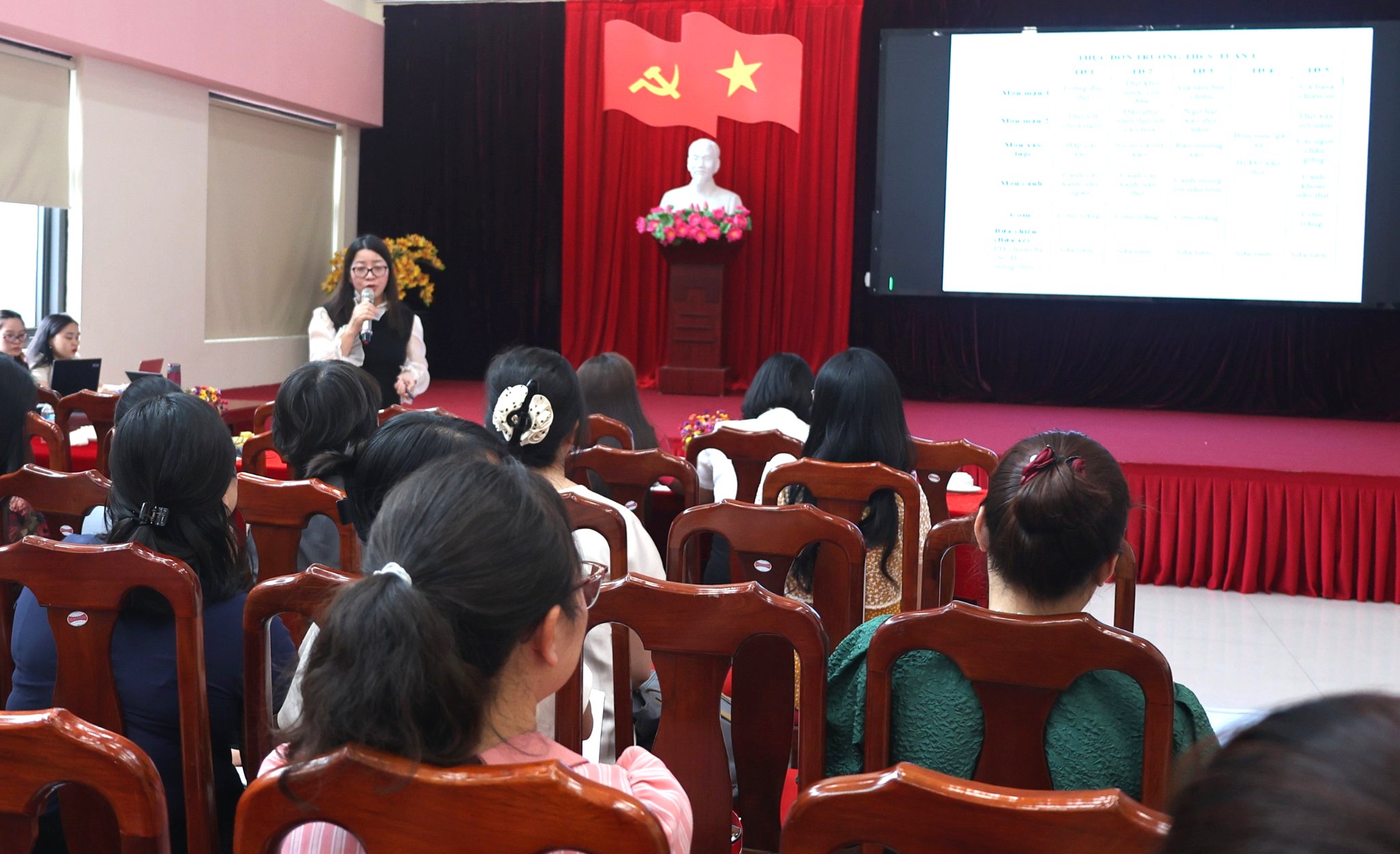
These figures were put into context during the training by Associate Professor Dr. Bui Thi Nhung, a nutrition expert, who emphasised the “double burden” of malnutrition, where children face both excessive energy intake and deficiencies in essential micronutrients necessary for physical and cognitive development.
A systemic approach to developing more balanced, scientific, and age-appropriate school meal menus is supported by wide evidence: reviews and several interventions have consistently shown that enforcing strong nutrition standards can enhance diet quality and nutrition outcomes among schoolchildren across various socioeconomic backgrounds2.
However, nutritionally balanced menus cannot be implemented effectively without coordinated activities in guidance, education, practice, and communication. These must be tailored to different target groups and stakeholders and remain key areas that require continued attention and further promotion in the coming period.
During the training session, experts introduced principles for menu development, including:
Rikolto will continue contributing to a more comprehensive approach to improving the quality of school meals in Hanoi. Through organising interdisciplinary training activities, together with schools, parents, and meal providers.
This was the second in a series of training sessions. The first was held on 24 April 2026 at the People's Committee of Cau Giay Ward, attracting more than 250 representatives from educational institutions and meal service providers. The session emphasised the importance of stakeholder collaboration in enhancing school meal quality and promoting healthy nutrition practices among students.
In the coming period, the next training session will be organised in Nghia Do Ward, continuing to promote good practices in school nutrition and contributing towards safer, healthier, and more sustainable school environments for children.





.jpg)