
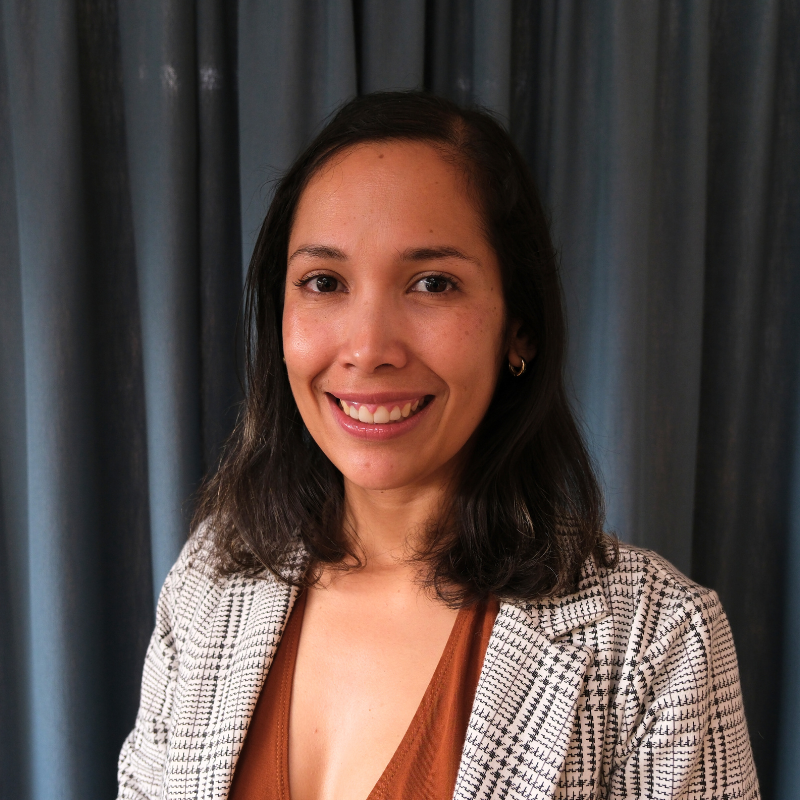
In a humid room in the hills of Ecuador, filled with the earthy aroma of fresh substrate, rows of mushrooms slowly grow toward harvest. Among them are Melissa Vélez and Arcy Constante. Two young entrepreneurs who light up as they talk about MICORICUY, the company they built together. They grow edible and medicinal mushrooms.
Starting a business in Ecuador is hardly ever plain sailing. And although entrepreneurship is often seen as a way to create jobs and stimulate economic growth, in Ecuador it is also driven by a more basic feeling: “what else is there for me, if I need to earn a living?”. Even in one of the world’s most biodiverse countries, opportunities are uneven.
During the COVID-19 pandemic, between March and December 2020, an estimated half a million jobs were lost. Five years later, informal work accounts for 58 % of employment, the highest figure in nearly two decades.
Falling incomes, energy shortages and higher VAT charges are further squeezing household finances and the margins of small businesses. And yet, according to the Global Entrepreneurship Monitor1, 32.7% of Ecuadorians aged 18 to 64 were starting or managing a business in 2023–2024, a rate that, across Latin America, is typically three times higher than in Europe.
GEM suggests that this is not because Latin Americans are more entrepreneurial. It is that, in Europe, stable employment tends to be widely accessible, while in Ecuador it is not.
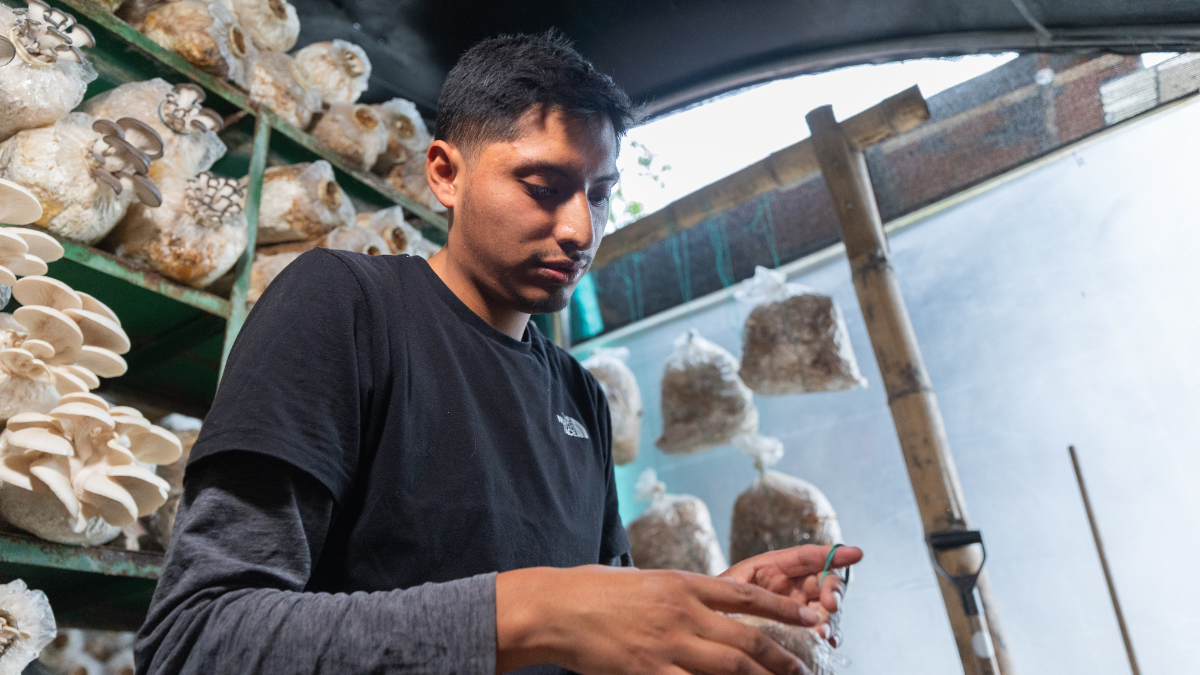
We’ll start with how Melissa’s and Arcy’s paths crossed. Both participated in Generation Food (in Spanish known as Generación Alimentación or Generación A), an agrifood incubator and accelerator that Rikolto designs and organises with local partners in urban and rural areas.
Melissa, a microbiologist, and Arcy, a business owner, are part of this, let’s call it, a new generation of entrepreneurs, who keep pushing forward, even while the structural odds look sometimes against them.
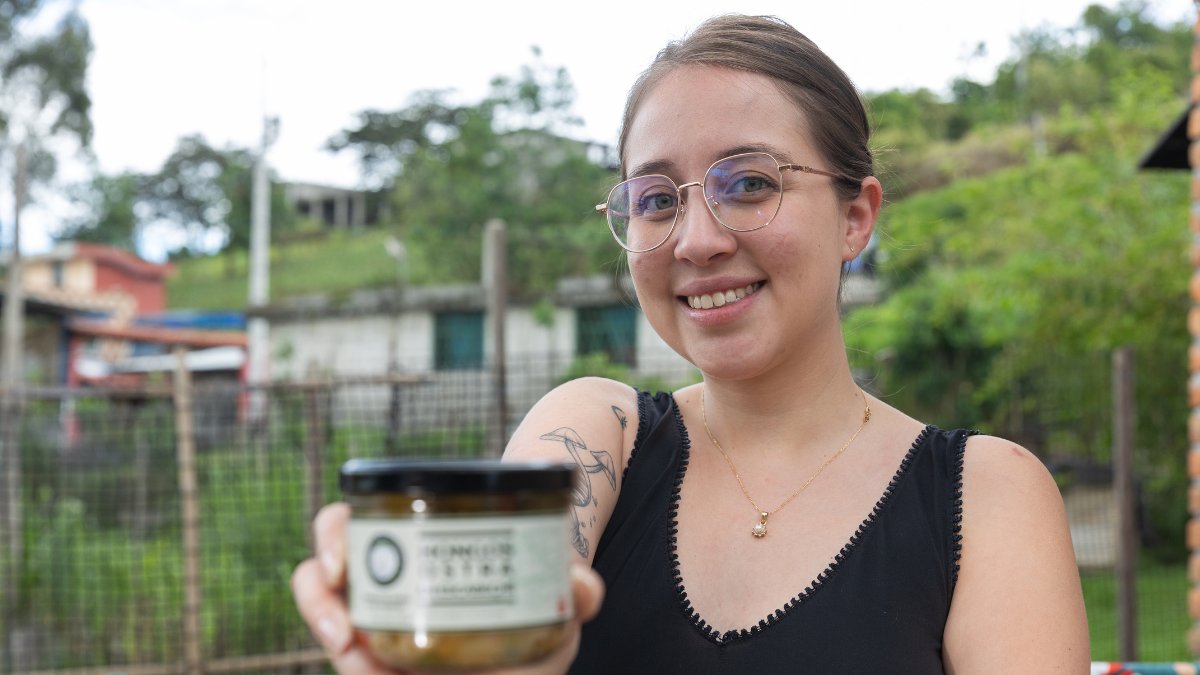
Their business prospects were gravitating around food. And far from being a romantic professional path, the reality behind our food systems involves more than crops and calories. Instead, food systems determine who earns an income, who eats well and who bears the environmental consequences.
That's why, in Rikolto, instead of burying our heads in the ground, we take those interconnected dynamics and launch Generation Food. A space that we like to see as the room where the most exciting and promising business ideas receive the “down to earth” facts, and the “wings” to accelerate their growth.
Arcy and Melissa met during the Generation Food edition that ran from 2023 to 2024 in Quito. Rikolto’s long-known implementing partner was CONQUITO, Quito’s public agency for entrepreneurship and economic development, while the funding partner was YOUCA (Youth For Change And Action), a Belgian non-profit youth organisation.

YOUCA (Youth for Change and Action) is a Belgian organisation that mobilises young people to take action in solidarity with peers around the world. One of its flagship initiatives is the YOUCA Action Day, an annual event that invites students to work for one day and donate their earnings to youth-led social projects in other countries. Each year, thousands of students take part to support initiatives that promote access to basic rights, such as education, decent work and food. Through this mechanism, YOUCA supports programmes that provide training, coaching, and seed funding to young entrepreneurs, including Generation Food.
.png)
The overall experience goes like this: young entrepreneurs receive access to training, coaching, networking, and seed capital. It starts with a Hackathon, in Spanish "Ideaton", organised as a workshop to consolidate ideas. The best proposals then move to a six-month coaching programme, followed by the business incubator, where plans are turned into reality. For Melissa and Arcy, this was the turning point.

“What Generation Food gave me was clarity. It helped me organise my ideas and move forward, step by step, instead of trying to do everything at once.” - Melissa Vélez, Co-founder of MICORICUY.
During Generation Food, they realised they had the same entrepreneurial idea. At the time, both were developing their own projects. Through Generation Food, those ideas gradually came together. After getting to know each other for several months, they became partners with MICORICUY and pushed the business throughout all the steps.
The first harvest of their partnership was mobilising USD 3,000 in seed capital. The amount was modest, but it came at the right moment. They invested it in basic infrastructure and an automated irrigation system.
Their main operation is to supply mushrooms and seeds, but also to offer training to other farmers that can be interested in diversifying their production and thus, their income. For Melissa and Arcy, mushrooms offered a dignified way to earn a living, reduce environmental pressure and put more nutritious food on people's tables.
.png)
Arcy lives in Amaguaña, one of the 23 rural parishes of the Metropolitan District of Quito. He started his business at the age of 23. His mother was already in the agriculture gild, managing Terranostra, an Integral Farm. However, it was after the COVID-19 pandemic that Arcy finally decided to step in his mother's business.
He recalls that at that time, he saw how a group of foreigners offered production training to farmers and supported the marketing of food from their farms. Then, he could see the potential in edible mushrooms.
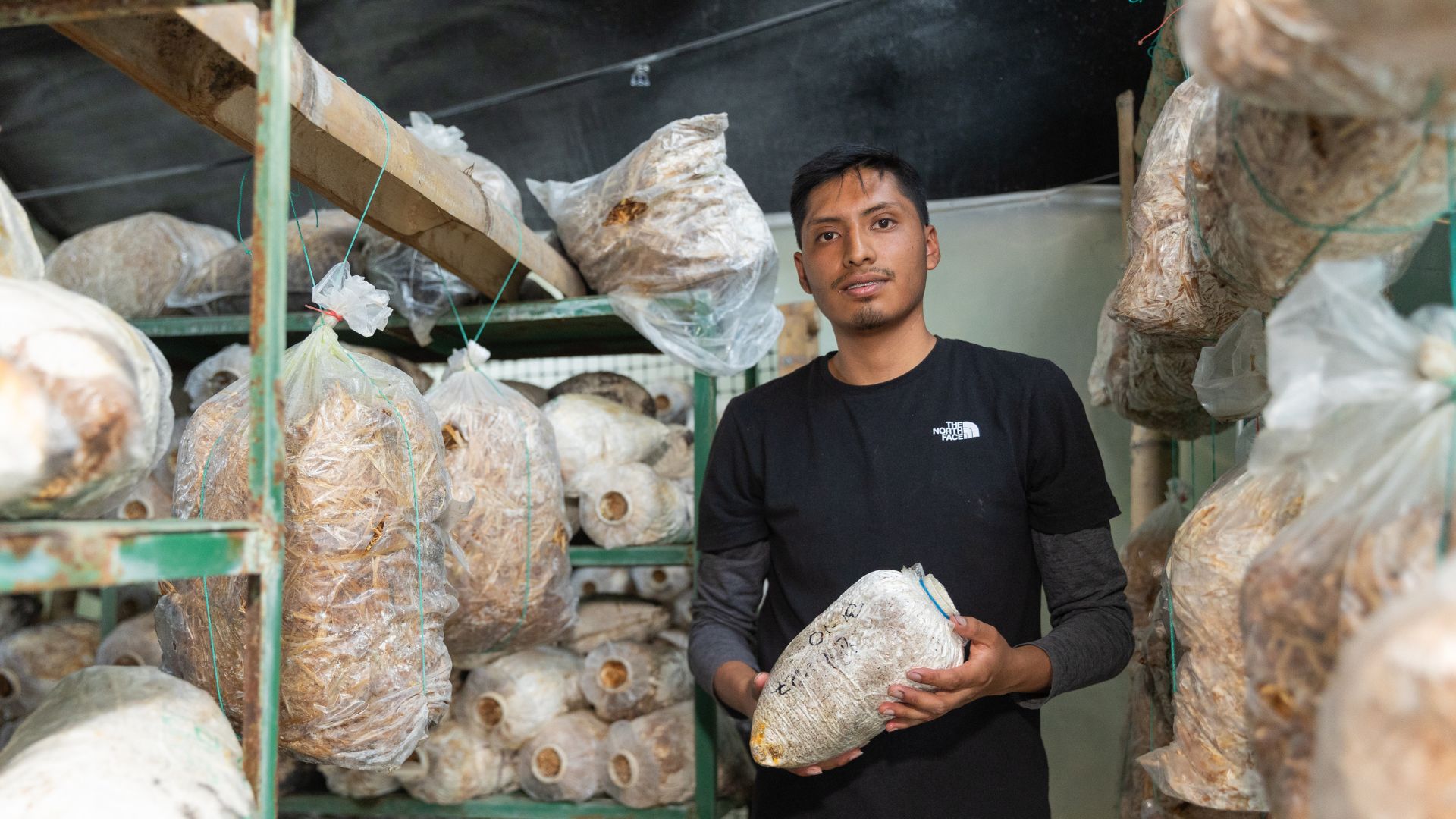
“I came in like a sponge, open to learning. I have participated in other accelerators, but this programme is about helping others and not just creating wealth”
In 2024, Melissa and Arcy participated in the re:THOS incubation programme at the Salesian Polytechnic University. They were awarded first place and received an additional USD 5,000 in seed capital. With these funds, they began setting up a laboratory to prepare colonised mushroom mycelium for sale to farmers.
That same year, Arcy was recognised in his local parish for his work as a young entrepreneur. A small gesture, but one that mattered close to home.
Around this time, several participants from Generation Food also joined the 2nd National Encounter for Youth in Food and Climate Activism. Together with over 150 young people from across Ecuador, they exchanged experiences and co-created a national agenda for food system transformation. Whether these ideas will take shape remains to be seen. But the connections stayed.
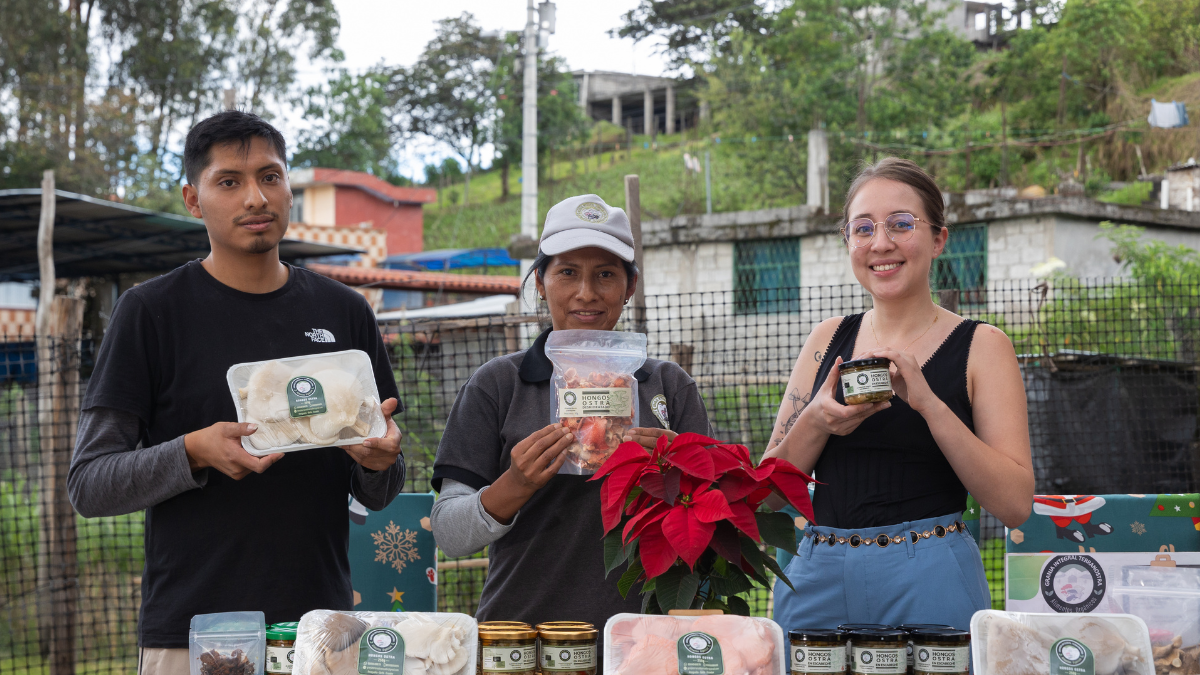
In Quito, this experience inspired one edition of EmprendeLab, ConQuito's incubation programme, which opened its doors to food entrepreneurs, among them some Generation Food participants. The entrepreneurs could access EmprendeLab's business incubation expertise, while building on the food system coaching they had already received through Generation Food.
According to Carolina Salazar, project coordinator at Rikolto, the experience informed what came next. Ideas that Nurture, the programme that followed, took the same commitment to youth entrepreneurship into a more complex territory, connecting young food businesses with school nutrition and food waste reduction.
“Some potential partners were honest, the mix felt too specific, too cross-sectoral, too hard to fit into existing frameworks” says Carolina. At the same time, others got on board, including the Quito Food Bank, a university, the Municipal Secretariat of Education, and sectoral federations. With these partners, an expert committee was established to oversee the development of the methodology and partnerships as they evolved.
The experience in Quito was parallel to other Generation Food trajectories running in cities in Uganda and Burkina Faso at the same time. Since the start of the initiatives the idea was to try to bring everyone together at least one time. However, the time zones, internet connectivity, and distance usually got in the way.
Finally in April 2025, a virtual Generation Food Global Exchange was made it possible. Young people joined from shared spaces or from their homes. After some technical hiccups, conversations finally flowed.
“Generation Food had a significant impact, not only on business ideas, but also on relationships,” concludes Carolina Salazar. “Many participants realised they were not alone anymore. They had people they could turn to, compare experiences with, or simply talk to when things became difficult.”
.png)
This article was revised by Natalia Palomino and Charlotte Flechet (Rikolto). It is adapted from a story originally published in Dutch on the Rikolto website for Belgium: Melissa en Arcy maken met paddenstoelen van goed eten een recht in Quito (26 August 2025).

.png)
.jpg)

.jpg)