
Entrepreneurship with purpose and innovation in food options for children lies at the heart of "Ideas that Nurture”. A project where ideas and businesses - from farmers using sustainable systems, healthy food processors, and managers of school canteens in public and private educational institutions - come together to improve access to healthy, nutritious food.
This effort, guided by Rikolto with funding from Gillès Foundation, is driven by young people aged between 18 and 35, passionate about improving food quality. Below, we introduce five of these ventures awarded seed capital... (PS: Spoiler alert, they will be setting out to innovate school food!)
Behind the company Qhali are two visionary young women, Andrea Carrera and Johanna Yazán, with a vision to change children's nutrition.
In a market saturated with ultra-processed products, Qhali is a natural, practical and nutritious answer that parents and schools needed: 25-gram portions of pure, real dried fruit, strategically designed to accompany and nutritionally boost children's lunchboxes.
.jpeg)
Qhali's value proposition combines convenience, flavour and overall wellbeing. By creating balanced blends free from additives, flavourings or artificial preservatives but still full of colour, they show that eating well doesn't have to be boring. Every pack of dried fruit offers families a mindful way to snack and helps build healthy habits from childhood that last a lifetime.
Thanks to training, specialised technical support reinforced by specific laboratory analysis (of live and inert surfaces, and of the finished product), and seed capital from Ideas that Nurture, Qhali made the qualitative leap towards formalisation and is now building the foundations to reach industrial scale:
.jpg)

What if children's favourite treat could also be their best source of nutrition? That's exactly what Wayri achieves. Led by a five-person team, full of dynamism and youth, with Cristian Benavides and Jeimy Pujota at the front. This initiative draws on the richness of fine-aroma cacao to turn it into a high-nutritional-value alternative: rich in protein, low in sugar, and designed with presentations that children find irresistible.
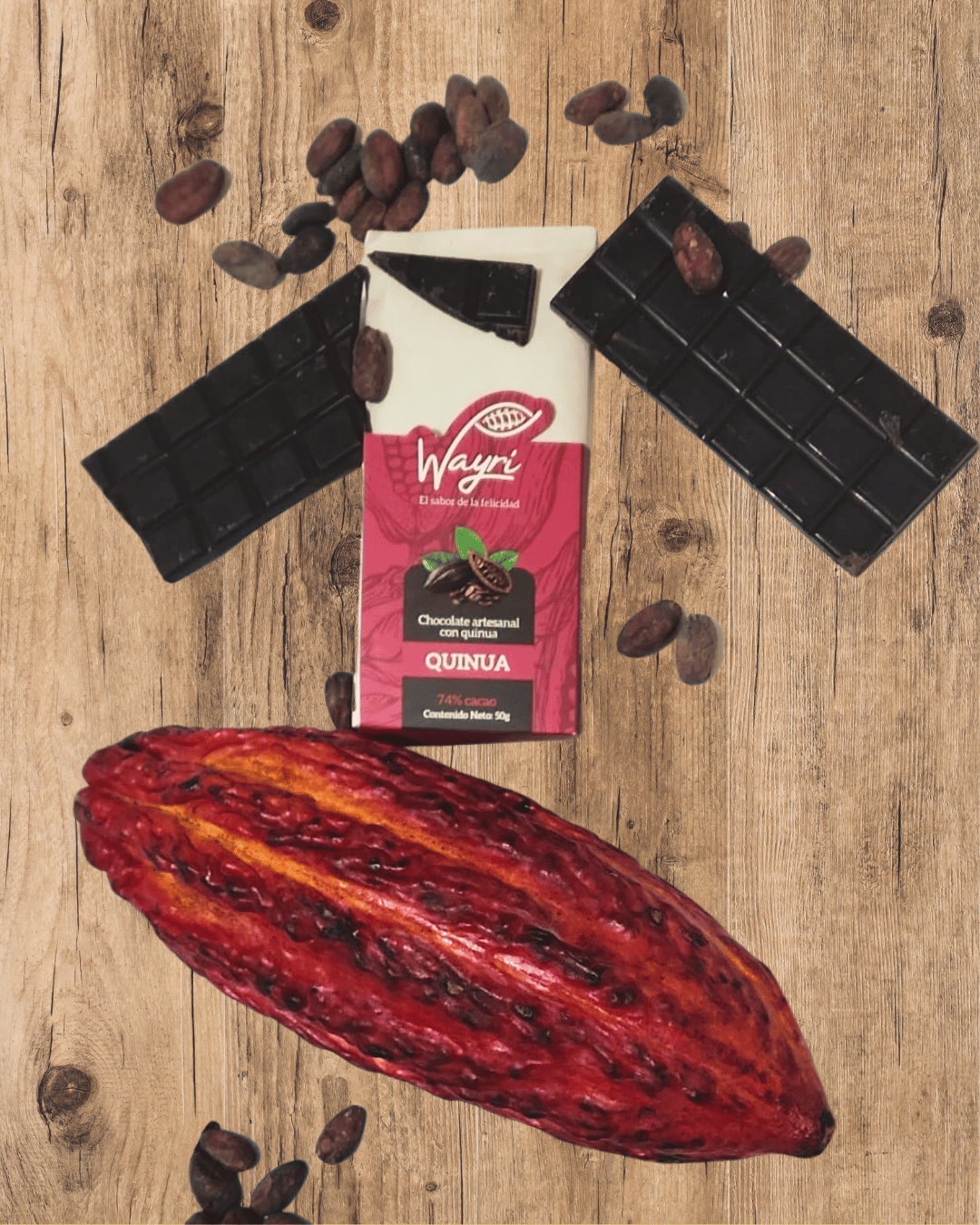
Wayri's value proposition brings together the best of tradition and food science : fusing cacao with quinoa, a Peruvian superfood from the Andes region, to create a snack that genuinely nourishes without sacrificing the flavour children love. But its impact goes well beyond the packaging.
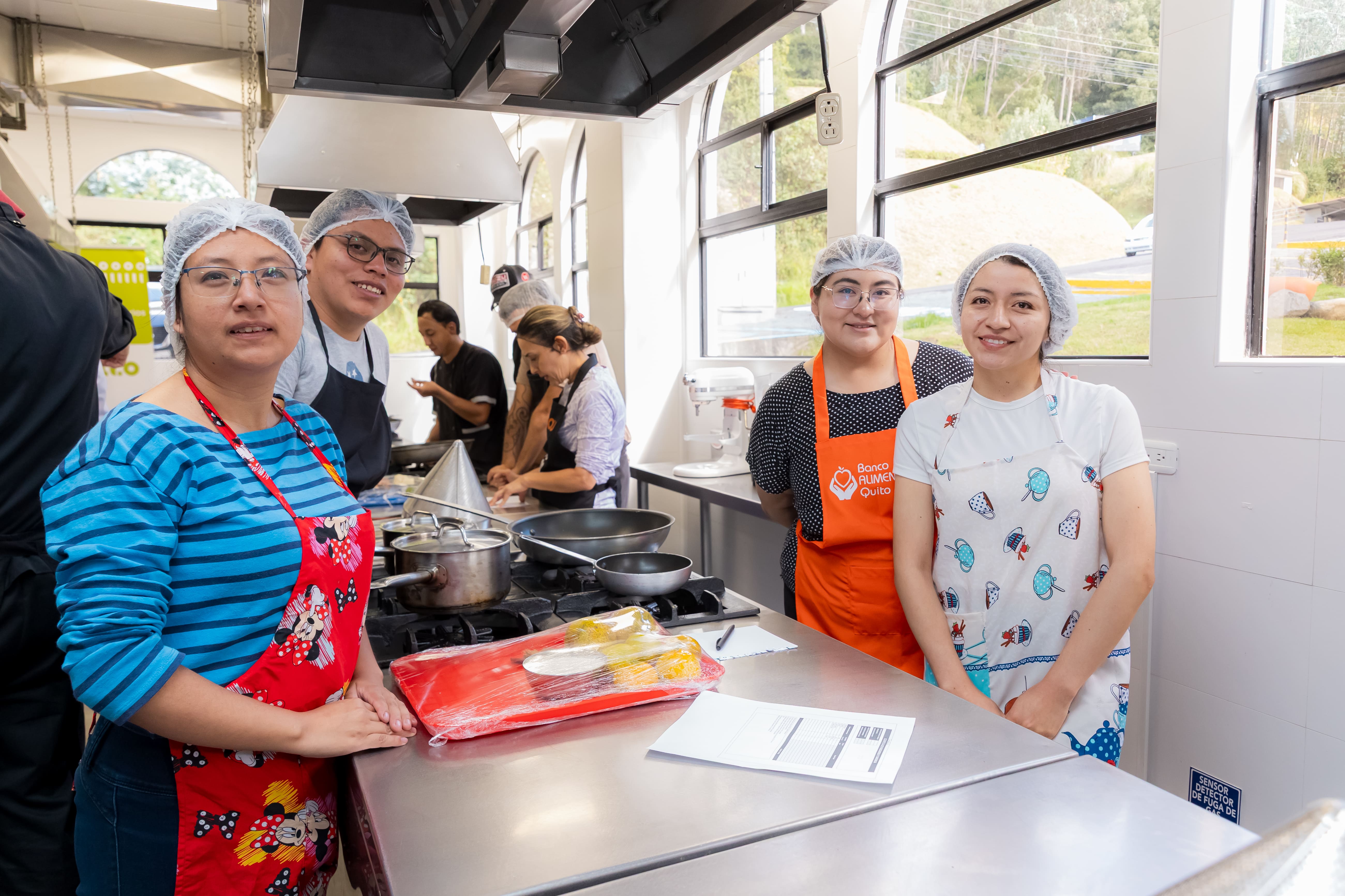
With mentoring, training and seed capital from Ideas that Nurture, Wayri strengthened its structure to scale up production and guarantee maximum food safety:
From the Atahualpa parish, in north-eastern Quito, Urku Lácteos shows that the true value of nutrition lies in going back to nature. This family innovation, driven by the energy and vision of young Raquel Cuzco, three other young people, and two older adults, reinvents artisanal dairy processing to create yoghurts and cheeses that are 100% free from sweeteners, colourings and artificial flavourings.
To guarantee maximum freshness and safety, Urku Lácteos looks after the entire value chain from the very start: they raise and milk their own cows daily, processing the milk in their own factory. Their offering doesn't just nourish children — it also helps their whole surrounding community to flourish, through a communal and sustainable model.
.png)
Thanks to the support and capital of “Ideas that Nurture”, Urku Lácteos has taken a decisive step towards formalisation and market expansion:
.png)
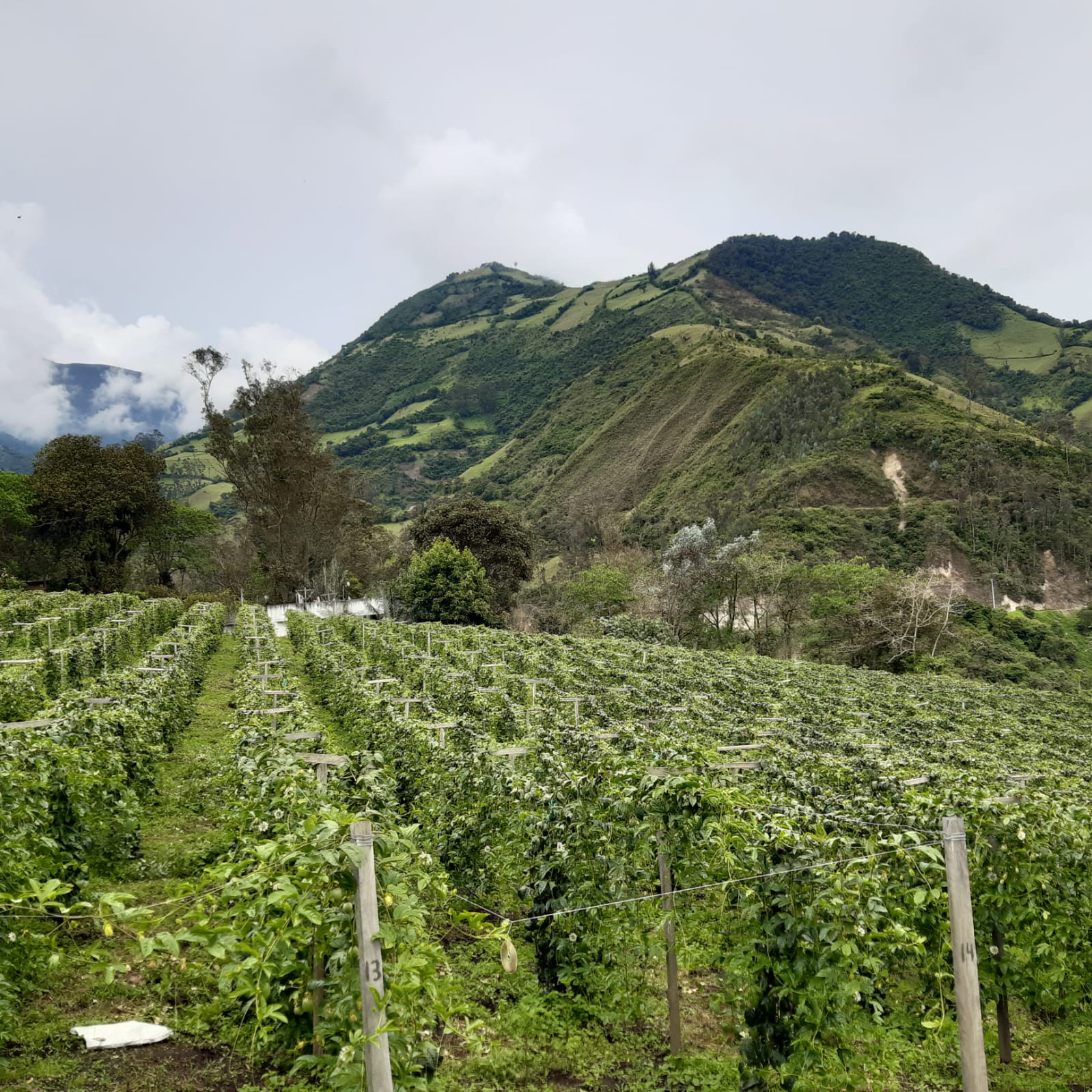
In 2022, the family behind Crucitas Gunatur turned a livestock-farming challenge into a historic opportunity: becoming the country's pioneers in growing gulupa (Passiflora edulis). This exotic fruit, which perfectly balances the sour taste of passion fruit with the sweetness of sweet granadilla, is the core of an agricultural venture that regenerates the land while nourishing new generations in schools.
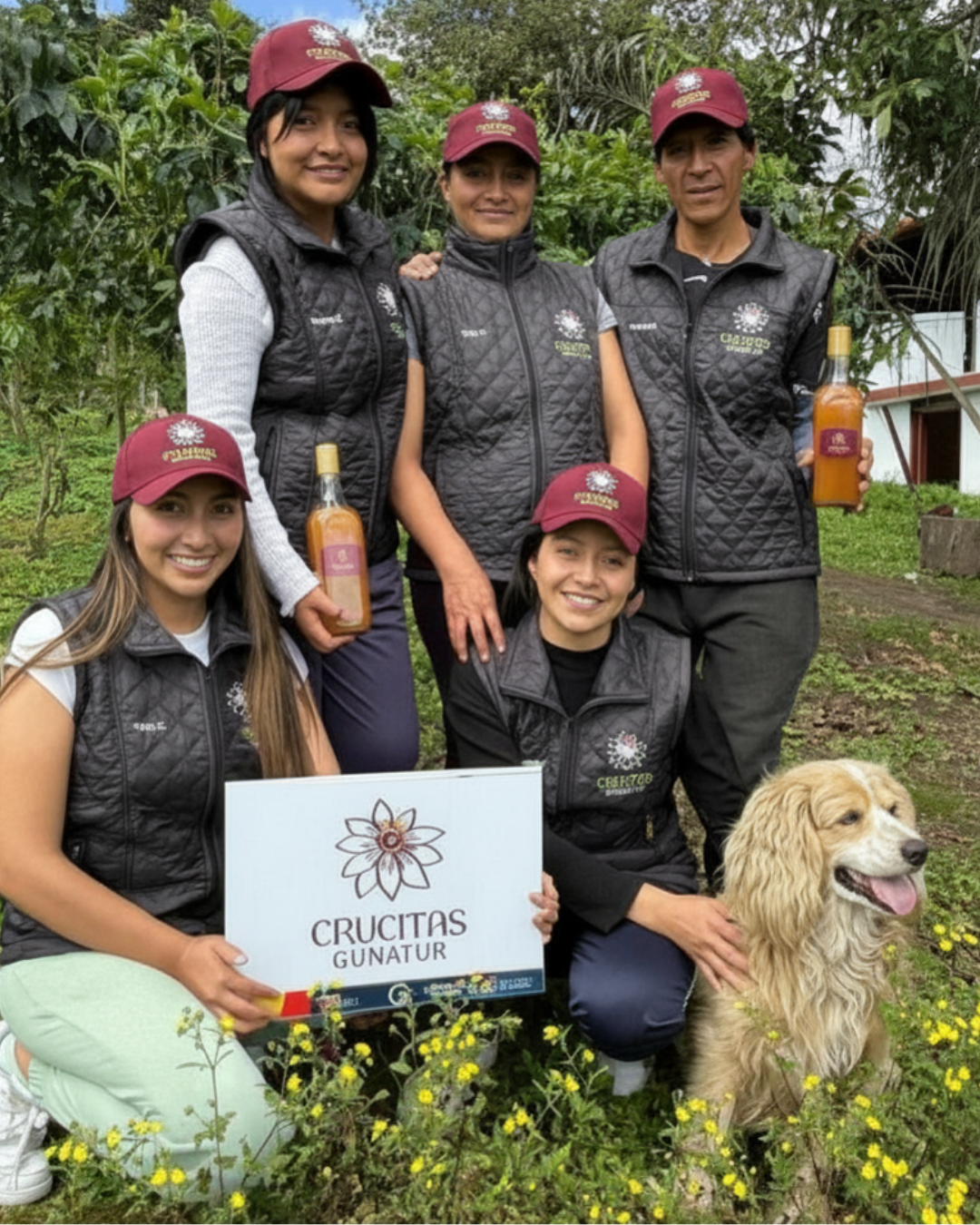
Made up of an intergenerational team of eight people - with Patricia Cruz and three other young people piloting change alongside four older adults - this initiative demonstrates that the future of farming is sustainable. Grown under a strict model of regenerative agriculture with organic management, gulupa is packed with vitamin C, B-complex vitamins, fibre and antioxidants that strengthen children's immune systems. Crucitas Gunatur promotes its consumption as fresh fruit and in versatile preparations (juices, smoothies and jams), proving that health and flavour go hand in hand.
Training and seed capital from Ideas that Nurture enabled Crucitas Gunatur to optimise their processes from planting through to packaging:
.jpeg)
Changing how our children eat means changing the place where they spend most of their day: school. Four years ago, Sabores de Hogar ("Flavours from Home") was born from the firm conviction that school canteens - food business units run by third parties inside schools —-don't have to mean ultra-processed snacks and drinks.
This business is run by three people - two of them young people leading the way, one of whom is Andrea Flores. This venture shows that home-cooked, nutritious and natural food can be what new generations actually prefer.
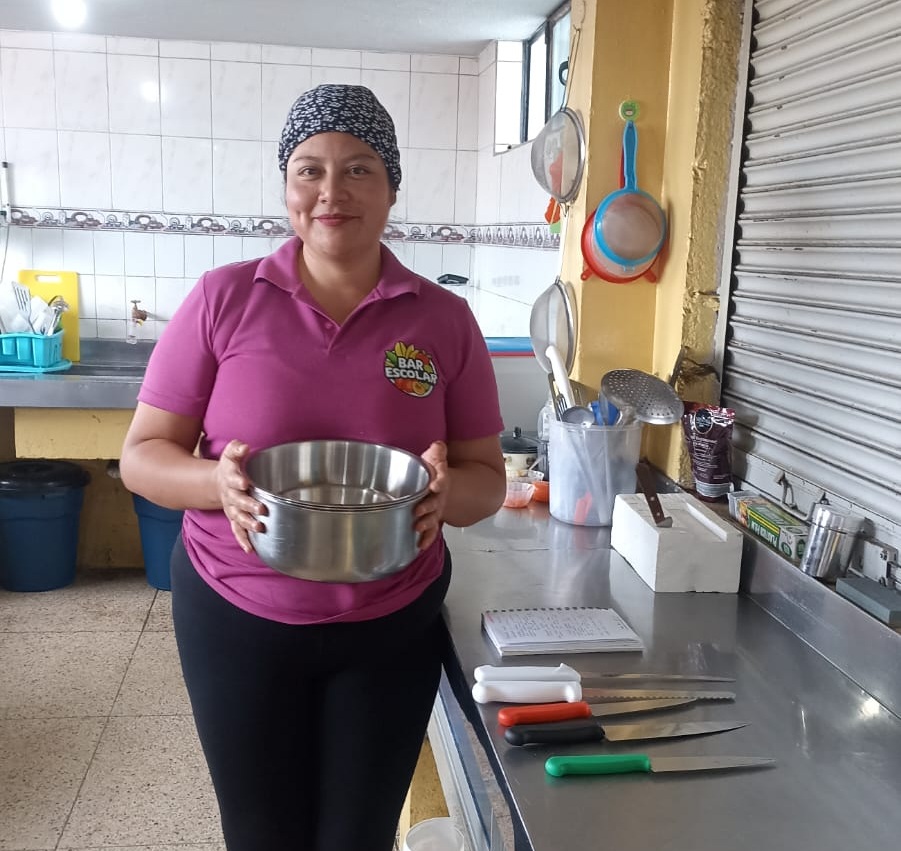
Sabores de Hogar cooks with quality, real ingredients, and hopes to contribute to a different break-time experience by combining technology, efficiency and nutritional education to offer appealing options for children buying food at school, and peace of mind for parents wanting to ensure their children eat healthily.
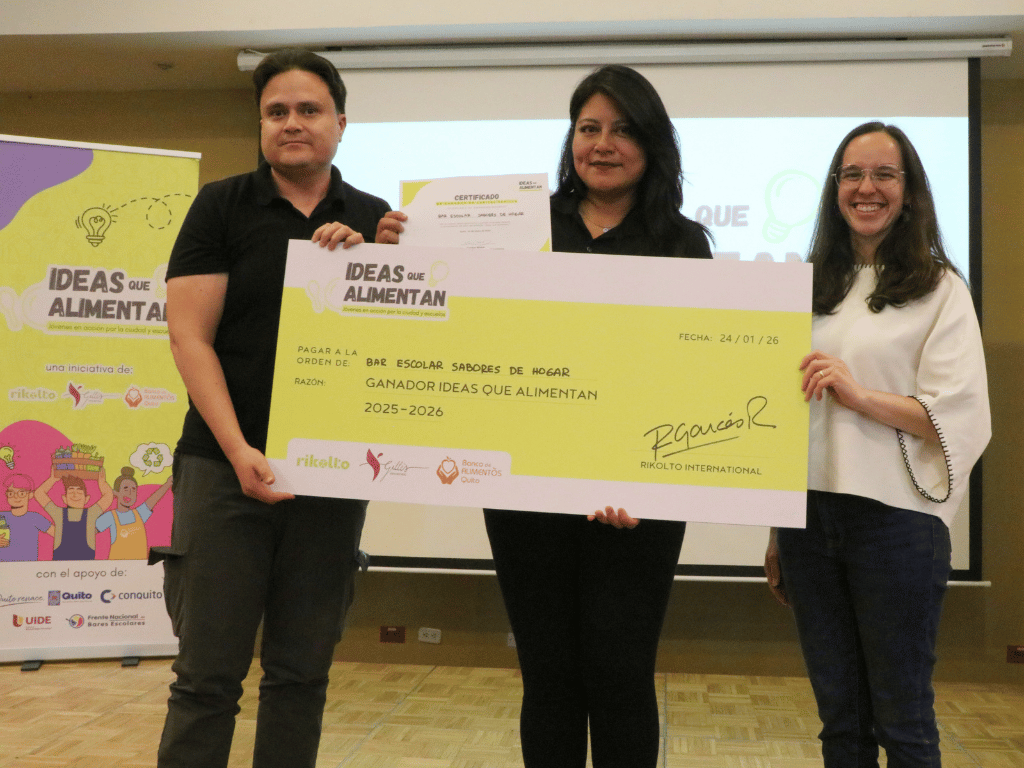
With the backing of Ideas that Nurture, Sabores de Hogar strengthened its infrastructure to operate to the highest standards of safety and operational capacity:
The reach of this seed capital goes far beyond the individual boost to each business — it represents a systemic transformation in children's nutrition. Why? Because, in this moment, each of these ventures have reached the highest food-safety standards and have started or completed the process of obtaining their hygiene certifications, the key legal requirement for marketing processed foods nationally.
This formalisation opens the door for these nutritious, local and sustainable products to become established, in the short-to-medium term, on the shelves of school canteens across the country.
By replacing junk food with real, safe, high-nutritional-value options, the initiative is not only scaling up the impact of these young entrepreneurs but also contributing to thousands of children have daily access to nutrition that protects their health and their future.
Today, this project's first cohort shows that innovation with purpose bears fruit.
Redesigned school canteens offering healthy, balanced options, appropriate portions, and a zero-waste cooking philosophy that nourishes and educates.
Processed foods that are healthy and nutritious, thanks to products that rigorously meet regulations, prioritise local inputs, and completely eliminate artificial additives, colourings, flavourings and preservatives.
And sustainable production grounded in regenerative agriculture, nourishing children's health while protecting the planet.
Carolina Salazar | Programme Coordinator for Good Food for Cities in Ecuador - carolina.salazar@rikolto.org
Alexandra Rodríguez | Technical Assistant for the "Ideas that Nurture" project - alexandra.rodriguez@rikolto.org

)%20(3).png)

.png)


.jpg)