



Twenty-seven students from the National University of Singapore (NUS) left their lecture halls to explore sustainable agriculture in Vietnam’s Mekong Delta. They learnt from farmers in the field and discovered the people and collaboration behind more sustainable farming methods.
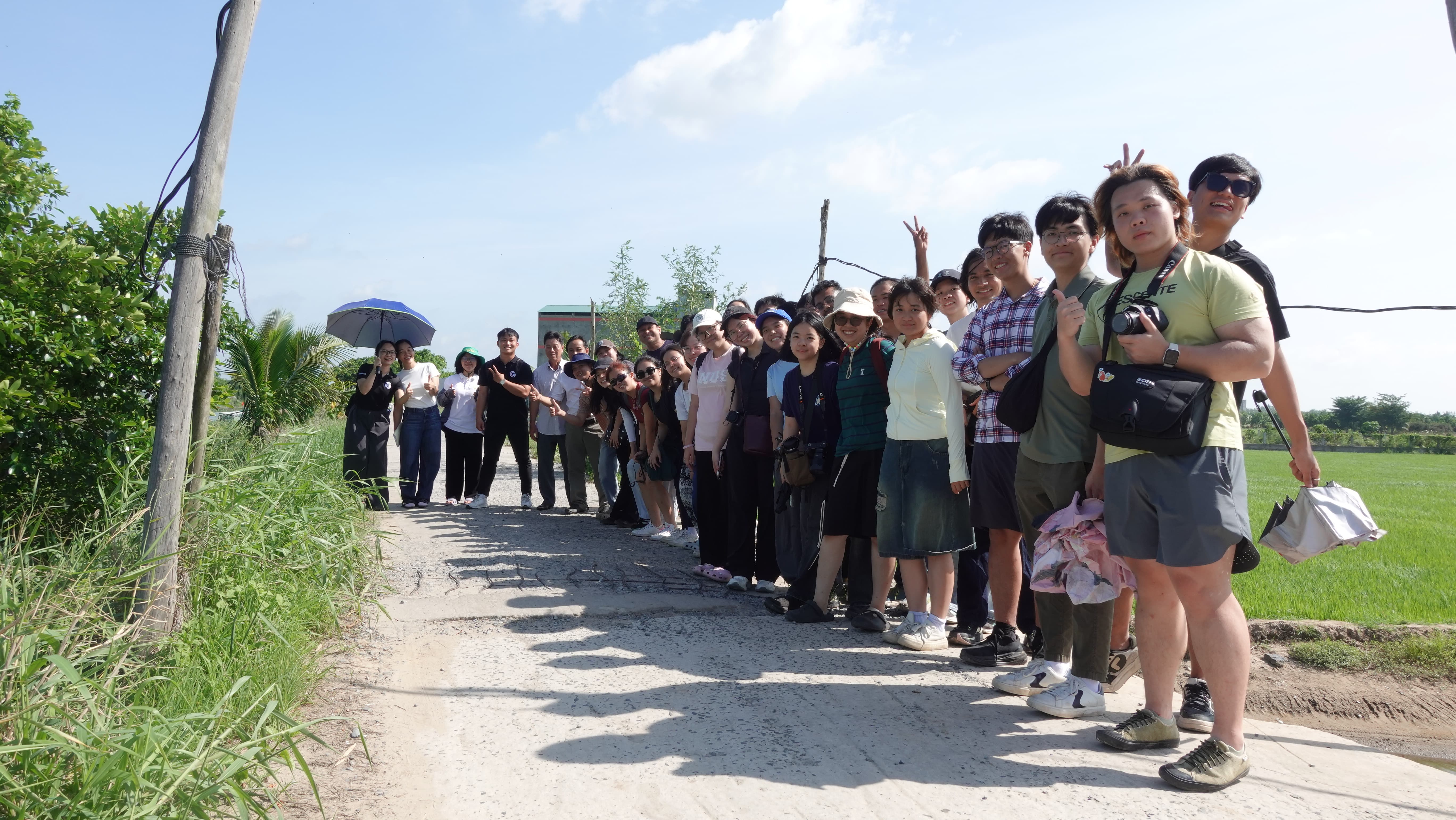
On 7 June 2026, students from the National University of Singapore (NUS) from diverse academic backgrounds, including anthropology, computer science, and environmental studies, joined a field visit organised by Rikolto in Vietnam and the Dong Thap Provincial Sub-department of Rural Development.
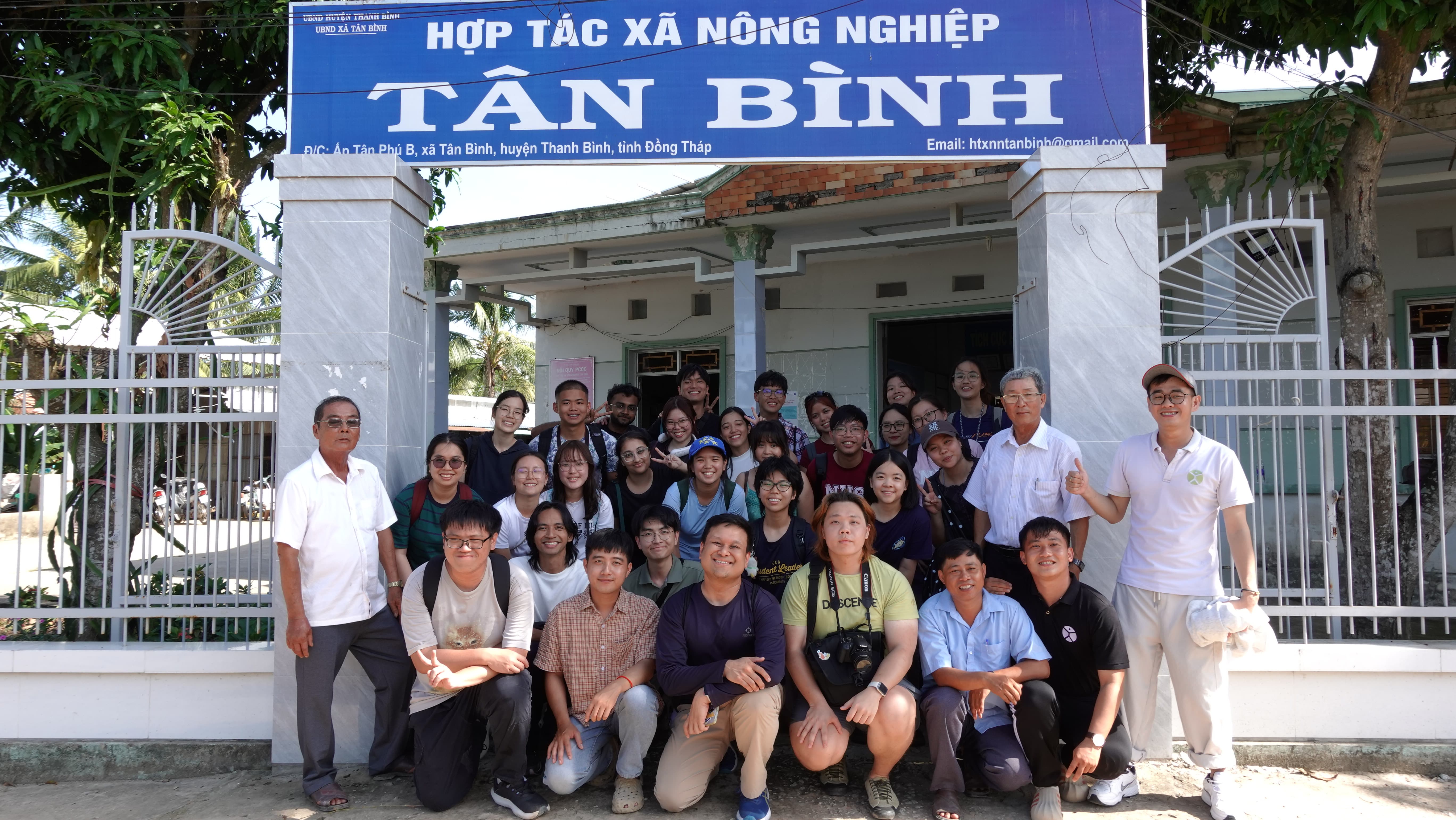
Through conversations with farmers, cooperative leaders from Tan Tien and Tan Binh, local authorities from Tam Nong and Tan Long communes, and representatives from the Mekong Conservancy Foundation, the students saw how sustainable agriculture can create benefits that extend far beyond decreased production costs or reduced environmental impacts.
The most important lesson they learned was that sustainable agriculture is not only about protecting natural resources; it is also about creating opportunities, strengthening livelihoods, and building resilient communities.
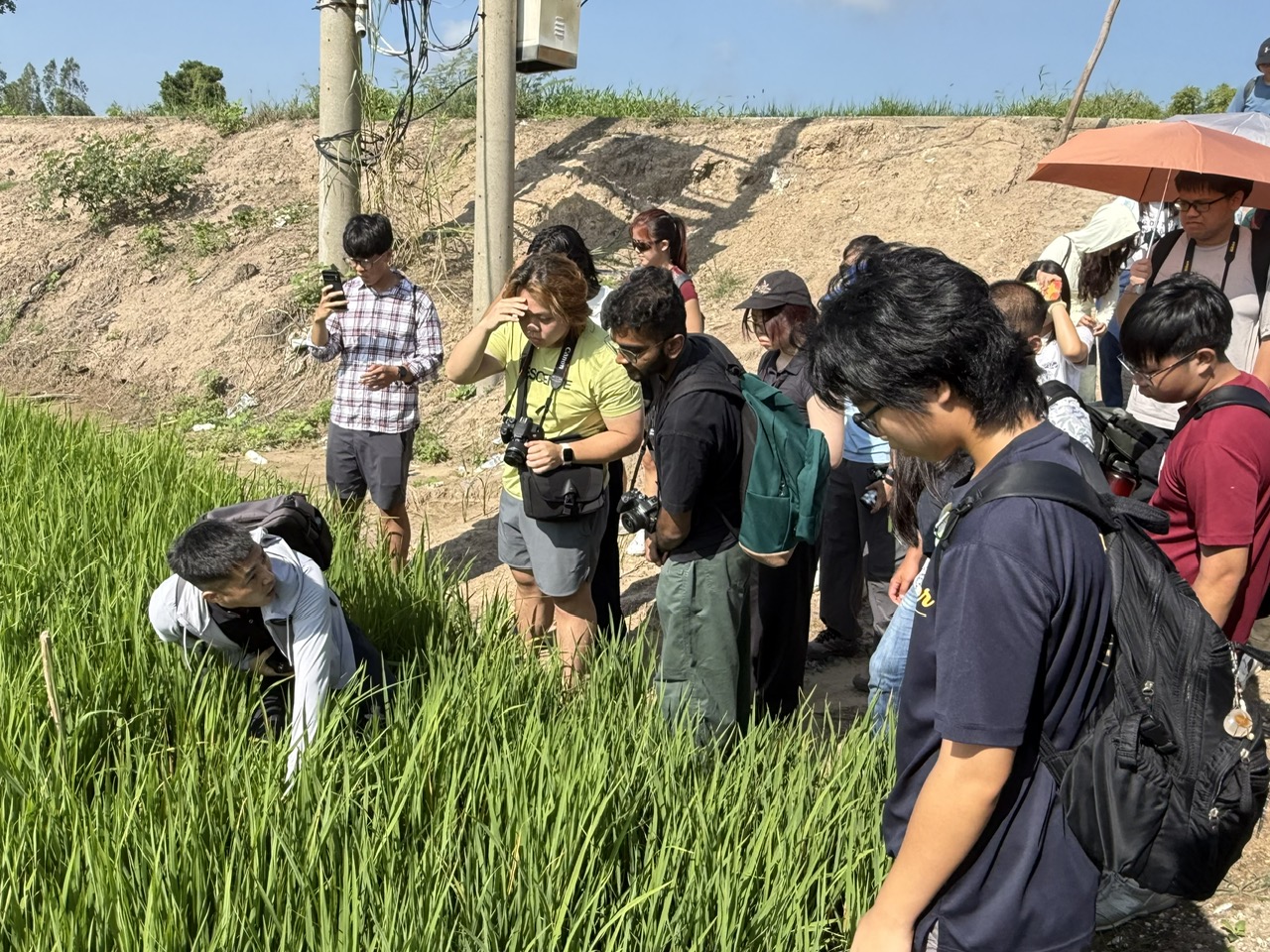
The visit began at Tan Tien Cooperative, where students learned about the adoption of sustainable rice farming practices, including Alternate Wetting and Drying (AWD) and the Sustainable Rice Platform (SRP) Standard. These approaches help farmers reduce water use, lower greenhouse gas emissions, and improve resource efficiency.
Yet what stood out most was not the technical practices themselves, but the process behind their adoption. Students learned that transitioning to new farming methods requires more than training sessions or technical recommendations. It depends on trust, continuous support, and strong partnerships between farmers, cooperatives, local authorities, and organisations such as Rikolto.
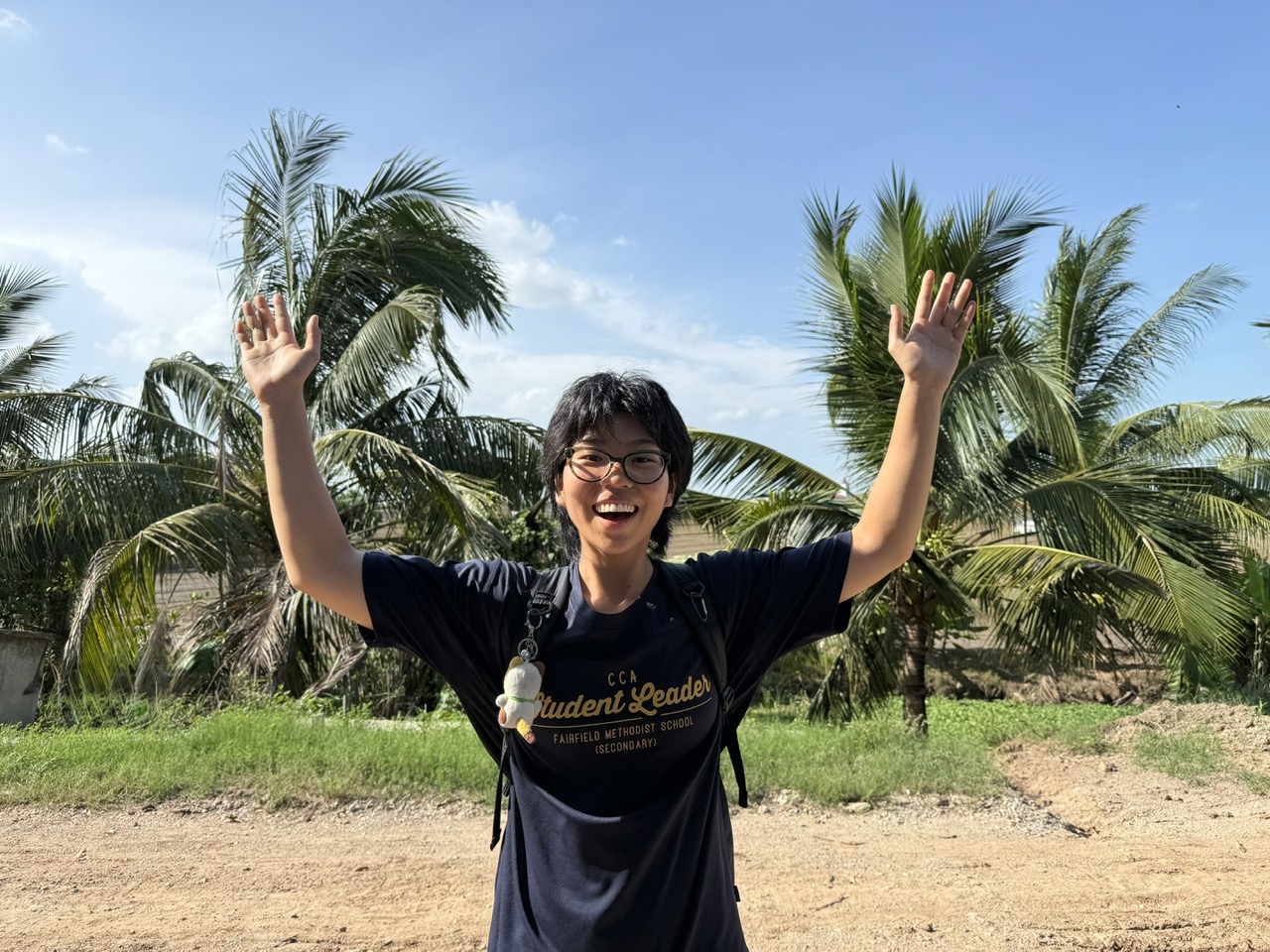
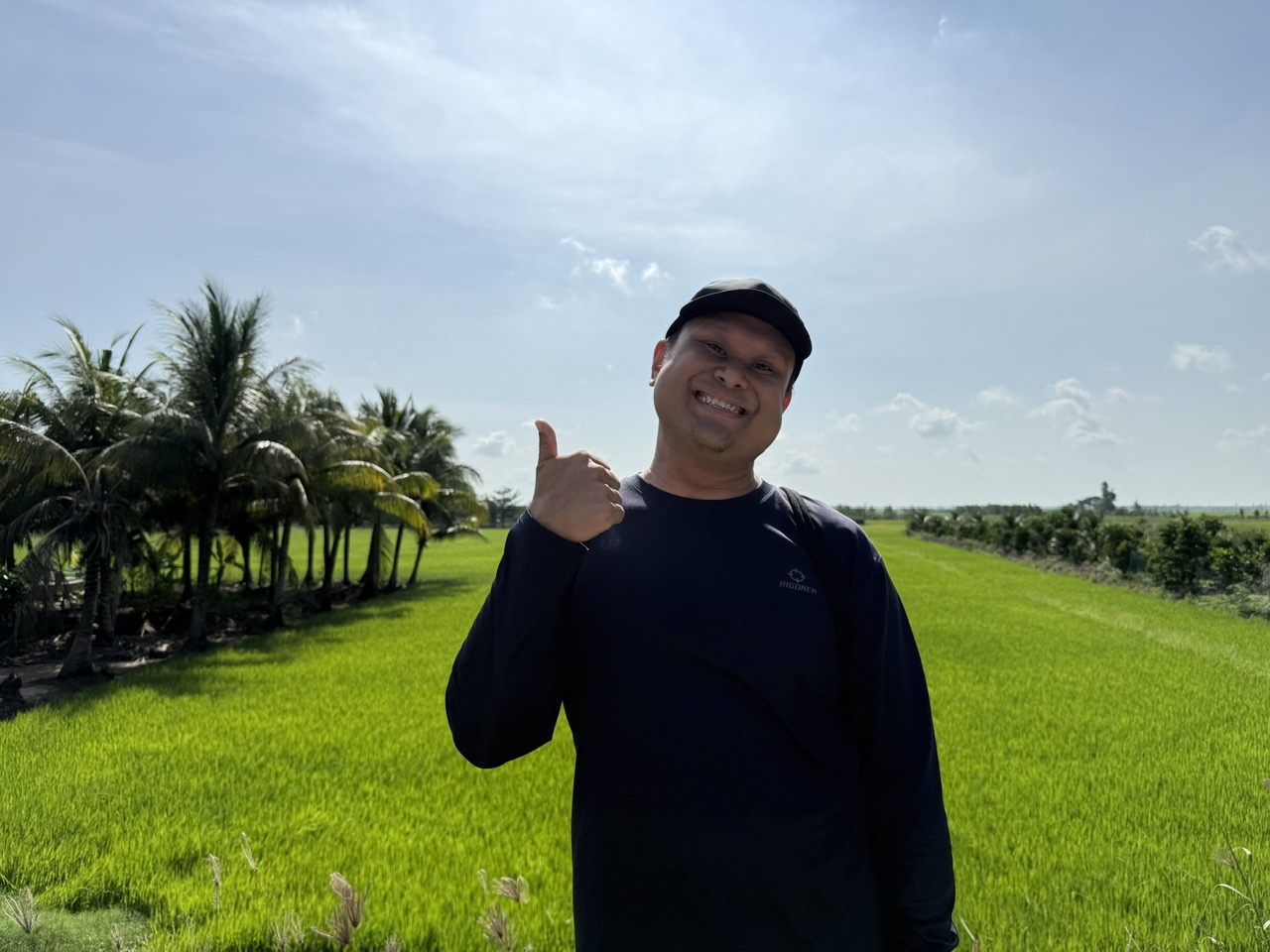
I was impressed by how much time was spent with farmers, listening to their feedback and building trust. It felt more like a partnership than a top-down relationship.
Ang's observation challenges common assumptions about agricultural development: farmers here were not passive recipients of knowledge, but active participants who continuously adapt practices to local realities and share their experiences with one another.
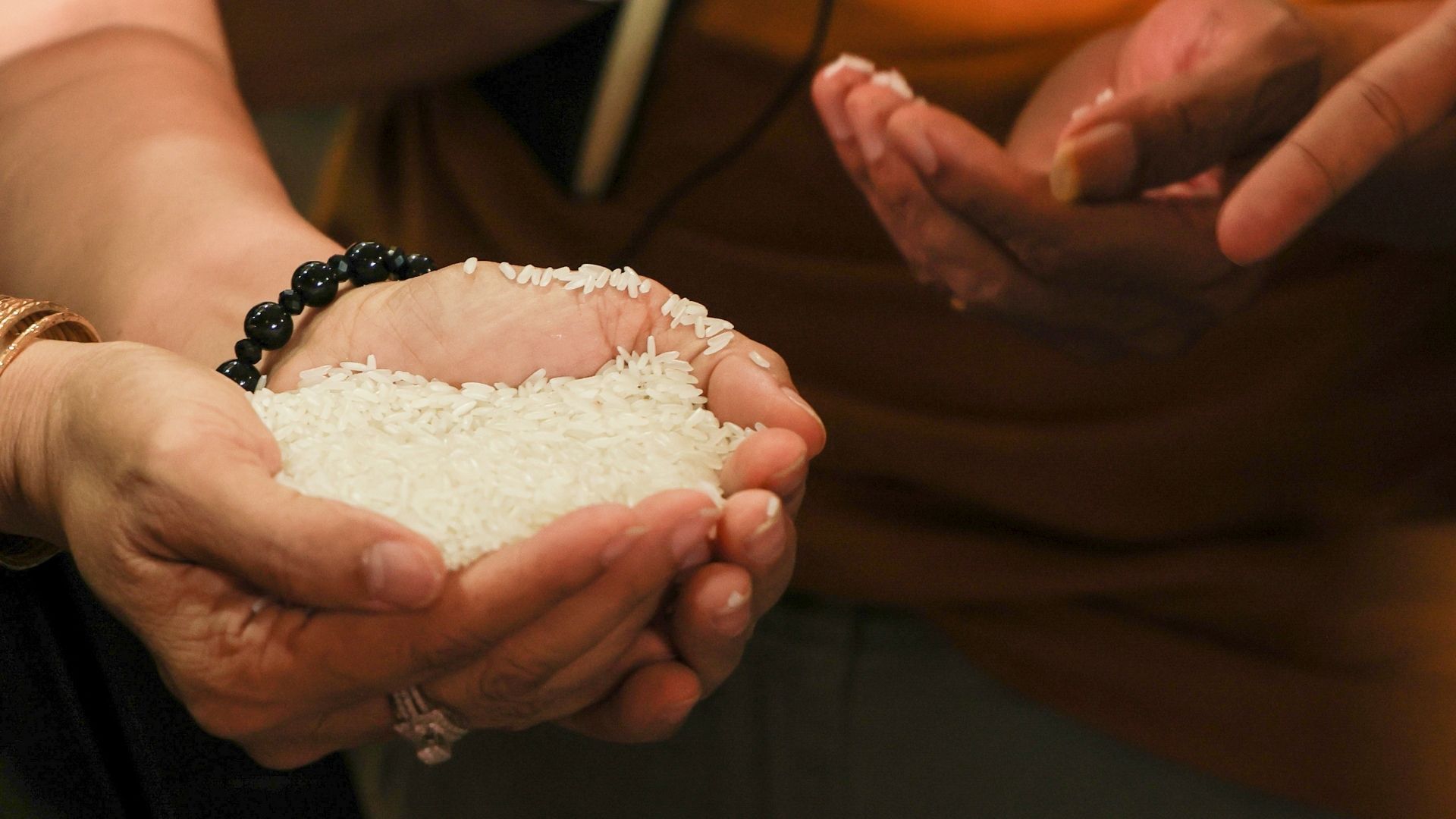
Students also saw how sustainable practices translate into economic gains Through SRP implementation, farmers farmers gain several benefits at once: access to markets that pay fair prices for sustainably produced rice, lower production costs, increased profitability, and stronger resilience to climate and market challenges.
One example that captured students' attention was the circular economy model built around rice straw. Instead of being treated as waste, rice straw is used for mushroom cultivation, creating additional income for farming households. The spent mushroom substrate is then transformed into organic fertiliser, returning nutrients to agricultural production and reducing waste.
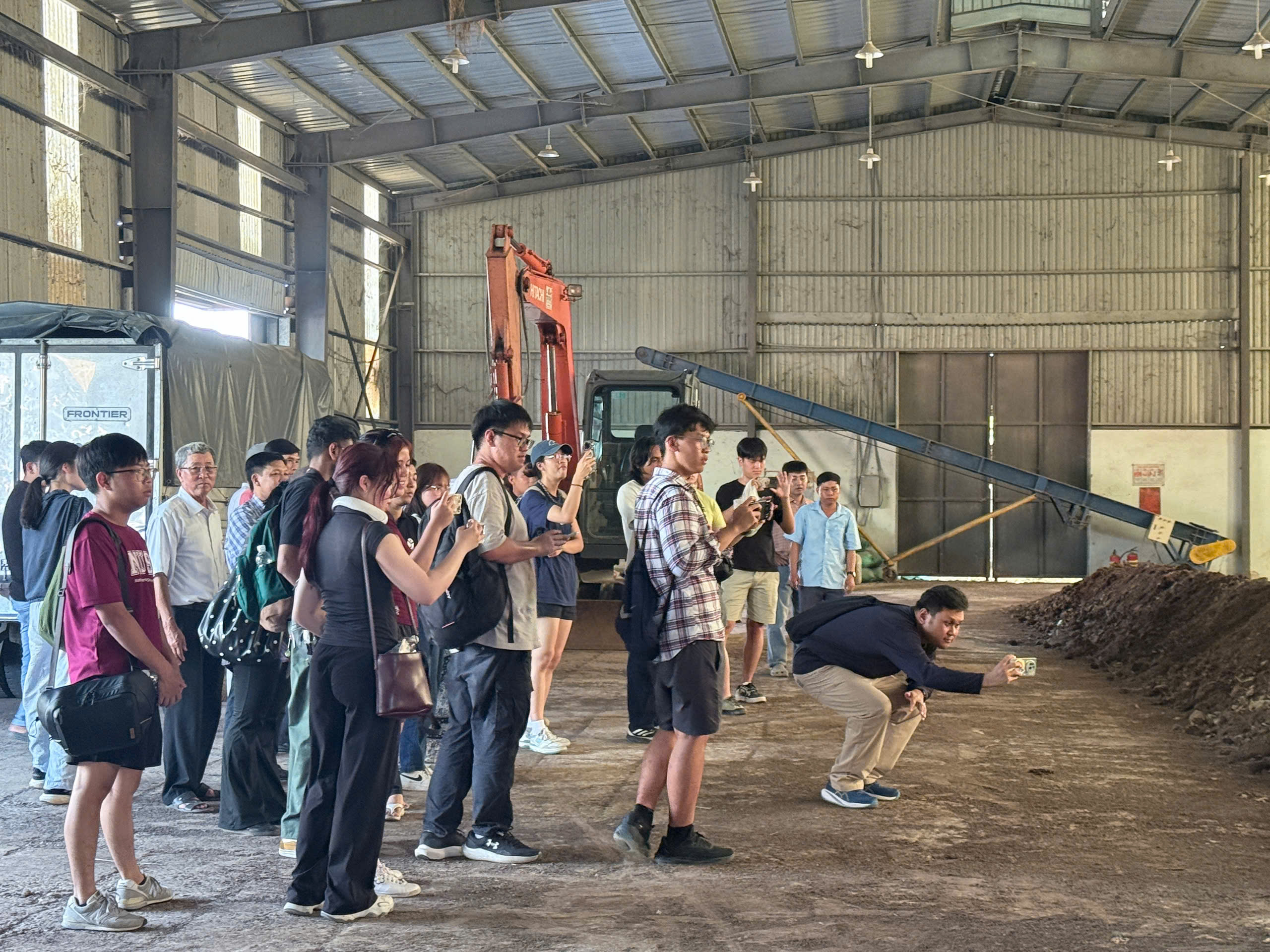
Students engage directly with farmers to discuss climate change, production challenges, and the future of sustainable agriculture in the Mekong Delta.
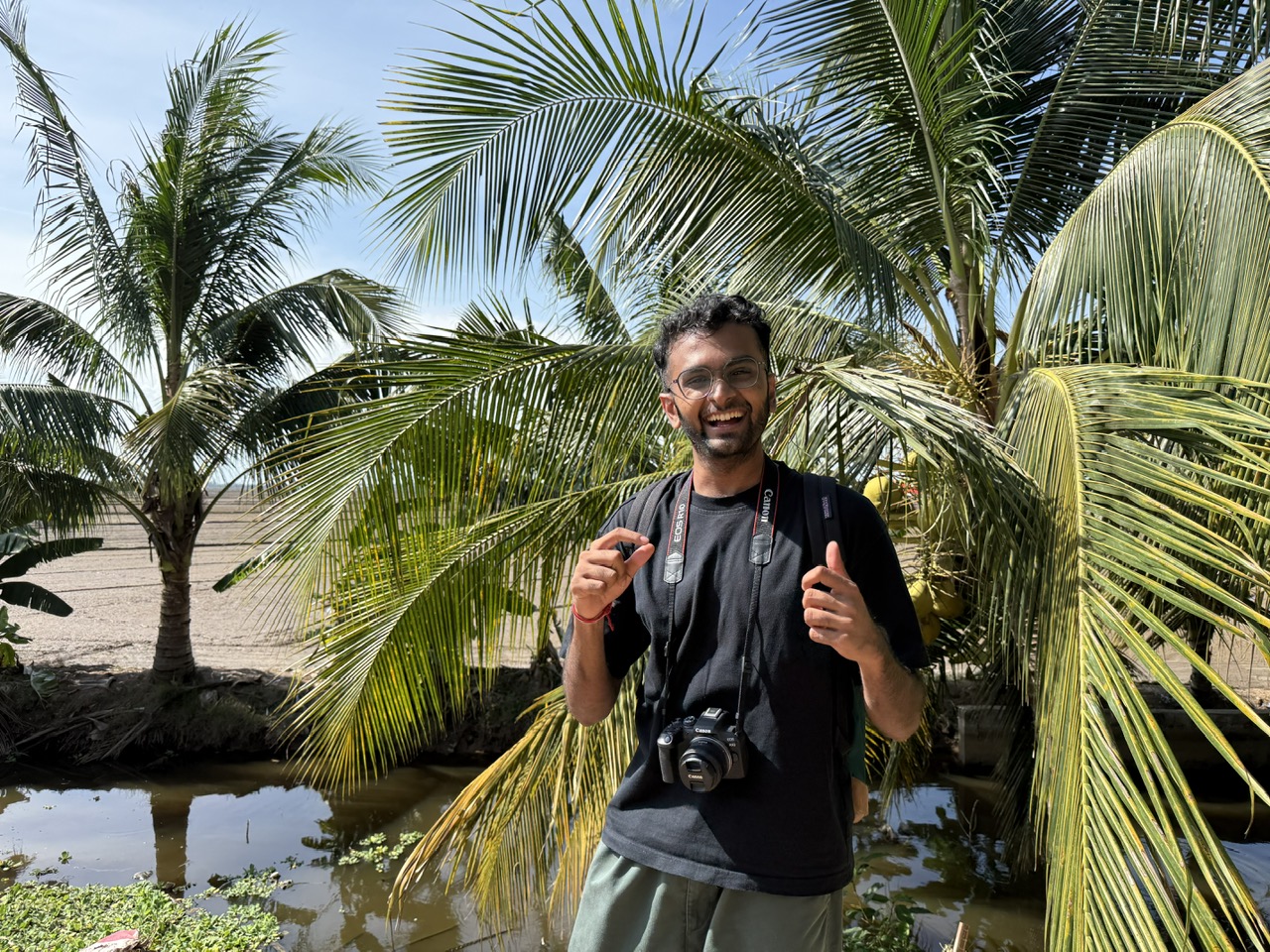
What stood out to me the most was the circular agriculture model. It transforms what would otherwise be waste into a reliable source of income for farming families. I hadn't considered that improving livelihoods could also have a broader impact on biodiversity.
Students also learned how livelihood diversification can create opportunities for women and young people and ease pressure on surrounding ecosystems by reducing households’ dependence on natural resources alone. Near Tram Chim National Park, for example, communities are reviving traditional weaving handicrafts using the locally abundant grey sedge grass to create eco-friendly souvenirs for visitors. The initiative preserves local cultural heritage, generates additional income for local families and helps reduce reliance on activities such as illegal poaching that can harm the park's habitats. s. Together with regenerative agriculture, these efforts are strengthening communities' economic resilience while contributing to biodiversity conservation. This highlighted an important lesson for the students: environmental goals are most likely to be achieved when associated with tangible economic benefits.
Perhaps the most meaningful part of the visit came through direct conversations with farmers themselves. During open discussions, students asked questions about climate change, farming incomes, labor shortages, mechanisation, and the future of agriculture. Farmers spoke about rising production costs, increasingly unpredictable weather, and the challenge of encouraging younger generations to remain engaged in agriculture. At the same time, they shared how sustainable farming practices and livelihood diversification were helping them adapt to these changes and build greater resilience.
The holistic approach was what impressed me most. The initiatives combine sustainable agriculture, biodiversity conservation, and livelihood development, while creating opportunities for women and young people. Visits like this are particularly valuable for our students because they are not often exposed to agriculture in Singapore. Interacting directly with farmers and seeing these initiatives in practice helps them to understand the realities of sustainable food systems in a way that classroom learning alone cannot
Cheng Yi'en,
Lecturer at NUS
He reflects on how engaging directly with farming communities helps students to understand the realities of sustainable food systems.
For Rikolto, these exchanges are part of a longer-term goal. Nguyen Tuan Anh, Rice Project Manager at Rikolto in Vietnam, put it this way:
Many young people today are increasingly disconnected from where their food comes from. By creating opportunities for students to learn directly from farmers, we hope to build a stronger connection between future professionals and the communities that produce our food. These exchanges not only deepen understanding but can also spark new ideas, partnerships, and practical solutions for more sustainable and inclusive food systems.
Building on this exchange, Rikolto and the NUS College are exploring opportunities for longer-term collaboration, including student internships that would allow participants to work alongside farming communities, support sustainable livelihood initiatives, and develop their own proposals to address local challenges.
Students returned to Singapore with more than an understanding of AWD, SRP, or circular agriculture. They left with a deeper appreciation for the people behind these innovations: farmers who are adapting to climate change, building new opportunities for their communities, and demonstrating that sustainability works best when it improves lives while protecting nature.

.jpg)

.jpg)