

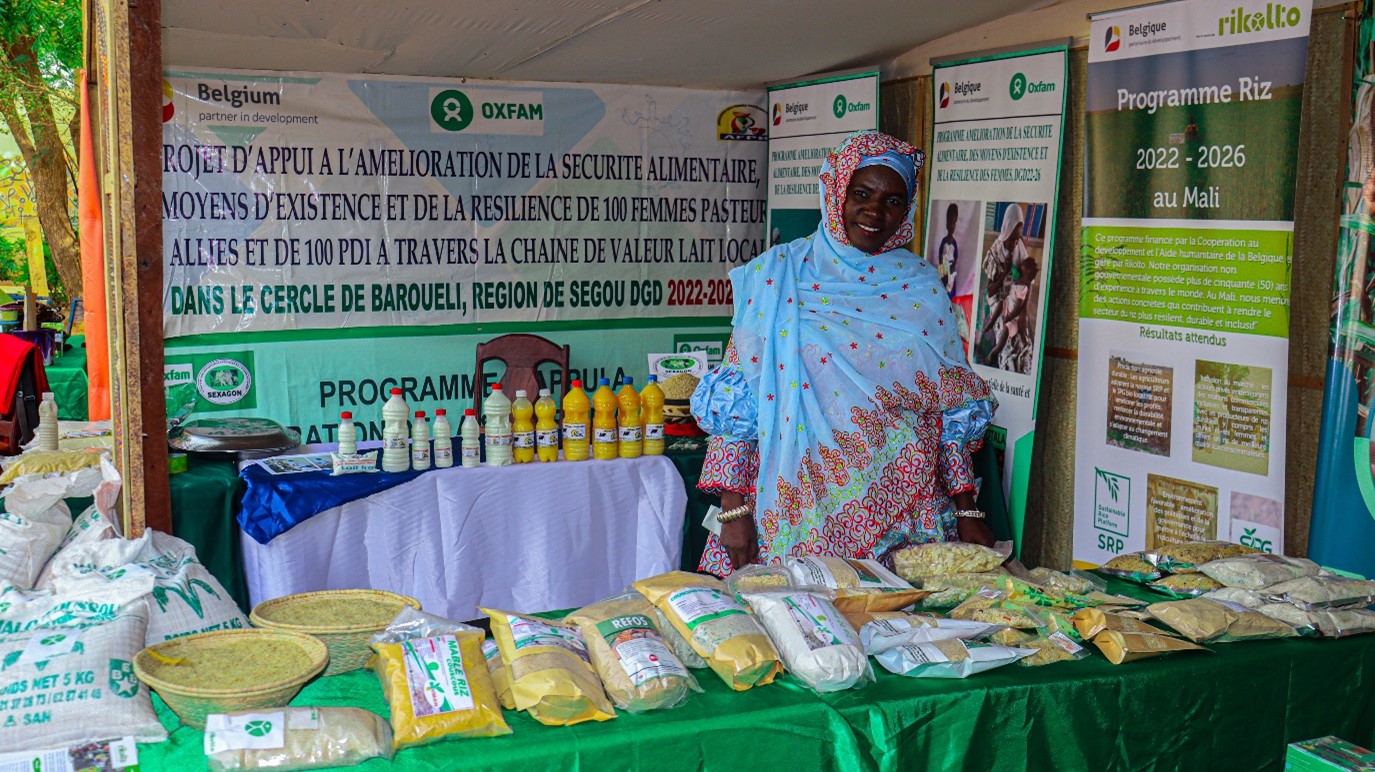
This project, funded by the Belgian Cooperation (DGD), aims to strengthen sustainable and competitive rice value chains, increase farmers' incomes, and improve access to quality food products on the market. The project encourages the adoption of sustainable agricultural practices and the establishment of inclusive trade relationships to create an environment conducive to a more resilient rice food system.
Rice production in Mali has grown remarkably, increasing by over 200% between the turn of the century and 2020. It reached nearly 2.15 million tonnes in 2022. The country now meets 88% of its national rice requirements, which demonstrates the sector's considerable potential. However, despite these encouraging figures, those involved in the sector are still facing challenges that limit its full potential.
Many family farms lack access to land and the technical skills required for sustainable production. The low entrepreneurial capacity of operational managers and their organisations restricts their growth prospects. The challenge extends beyond the individual, however, as the entire sector must become more professional in order to adapt to a changing market and become a real driver of sustainable rice production. Relationships between processors and farmers remain fragile, leading to difficulties in sourcing sufficient quantities of high-quality paddy, as well as local rice that does not always meet consumer expectations. There are also persistent obstacles to accessing finance and market information, as well as an unfavourable regulatory framework.
However, Mali's national ambitions are clear: through the Agricultural Development Policy (PDA) 2014–2025, the country intends to make agriculture the engine of its food sovereignty and produce 5.5 million tonnes of rice by 2025. In order to achieve this, the foundations of a more inclusive, resilient and sustainable rice system must be strengthened.

Since 2014, Rikolto has been working alongside actors in the value chain to meet these challenges, and the actions of the 2022-2026 programme funded by the DGD build on the achievements of Rikolto's work in the country to date.
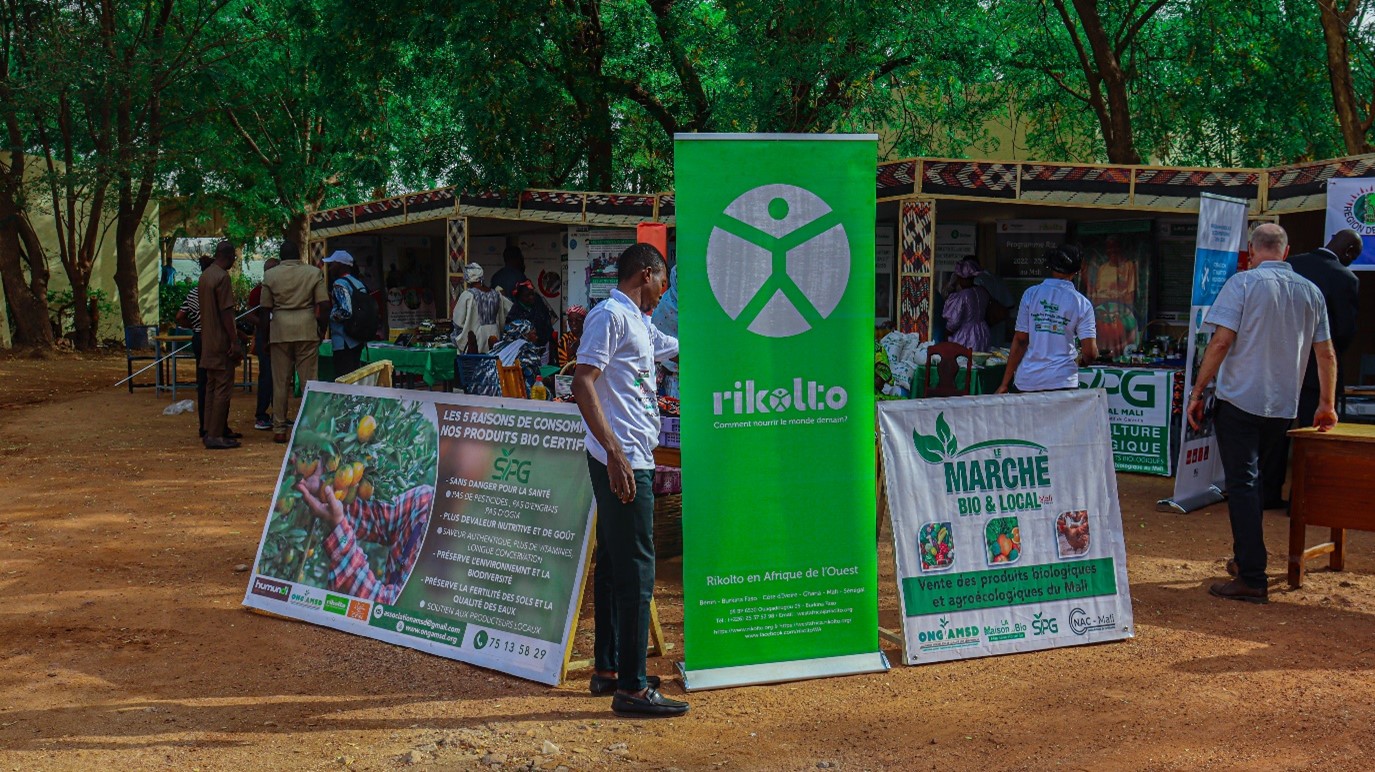
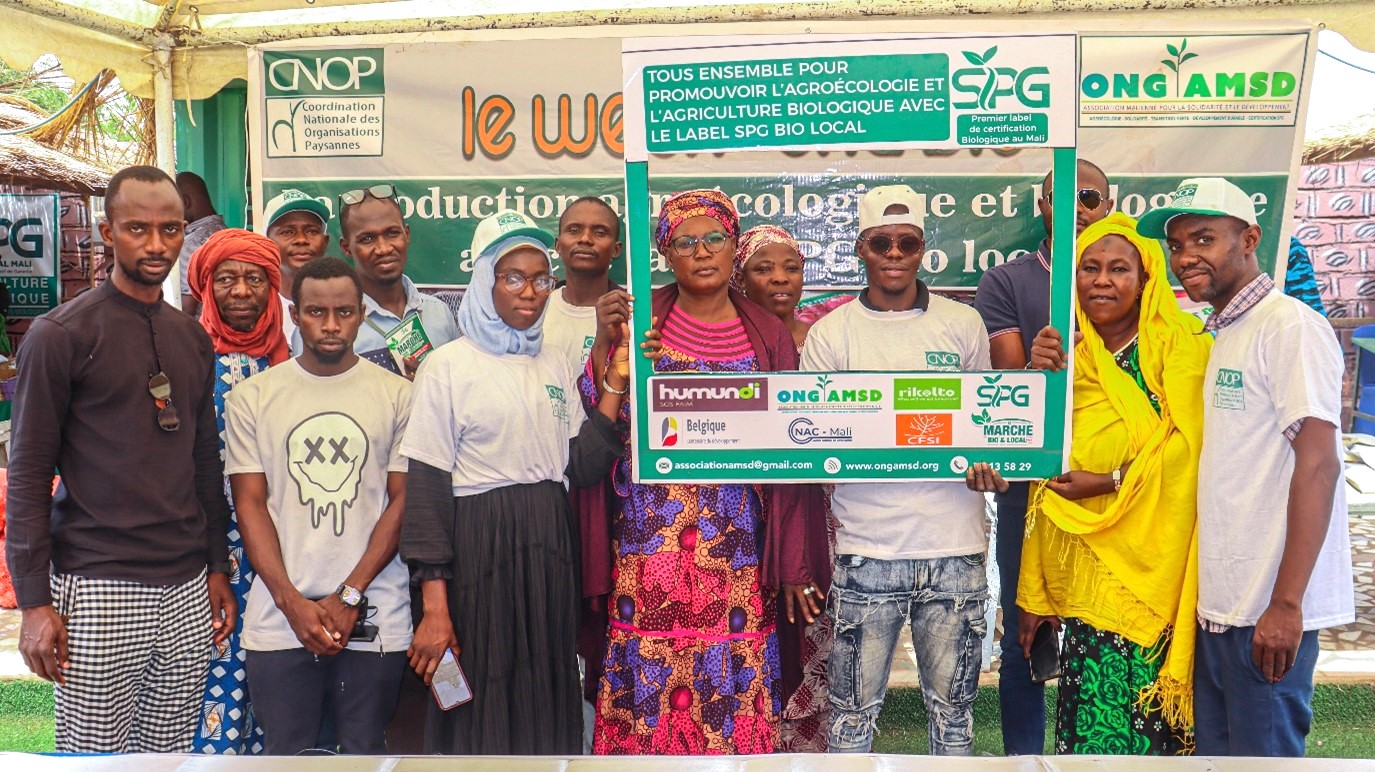
To promote sustainable production, Rikolto is developing viable economic models (“business cases”) around sustainable rice. At production level, this is reflected in the establishment of pilot projects based on the SRP (Sustainable Rice Platform) standard and the local organic participatory guarantee system (SPG), as well as in the strengthening of service providers (BDS) on SRP standards. We also support farmers' organisations to enable them to monitor quality via an internal control system, manage their activities more rigorously, and strengthen their commercial capacities.
To facilitate market access for producers, we are working to professionalise farmers' organisations and establish equitable commercial relationships with private actors. This involves providing entrepreneurship training and establishing group sales and quality control systems to guarantee the competitiveness and consumer appeal of local rice.
n One of the key pillars of our approach is coordinating and participating in multi-actor platforms to strengthen coordination between sector stakeholders and policymakers. Organisations such as the National Platform of Rice Producers (PNPRM) and the Interprofessional Organisation of the Rice Sector (IFRIZ) enable producers and other sector stakeholders to advocate for public policies that favour sustainable rice. The results of the pilot projects provide concrete evidence of the economic, social and environmental benefits of sustainable rice, convincing decision makers and partners of its value..
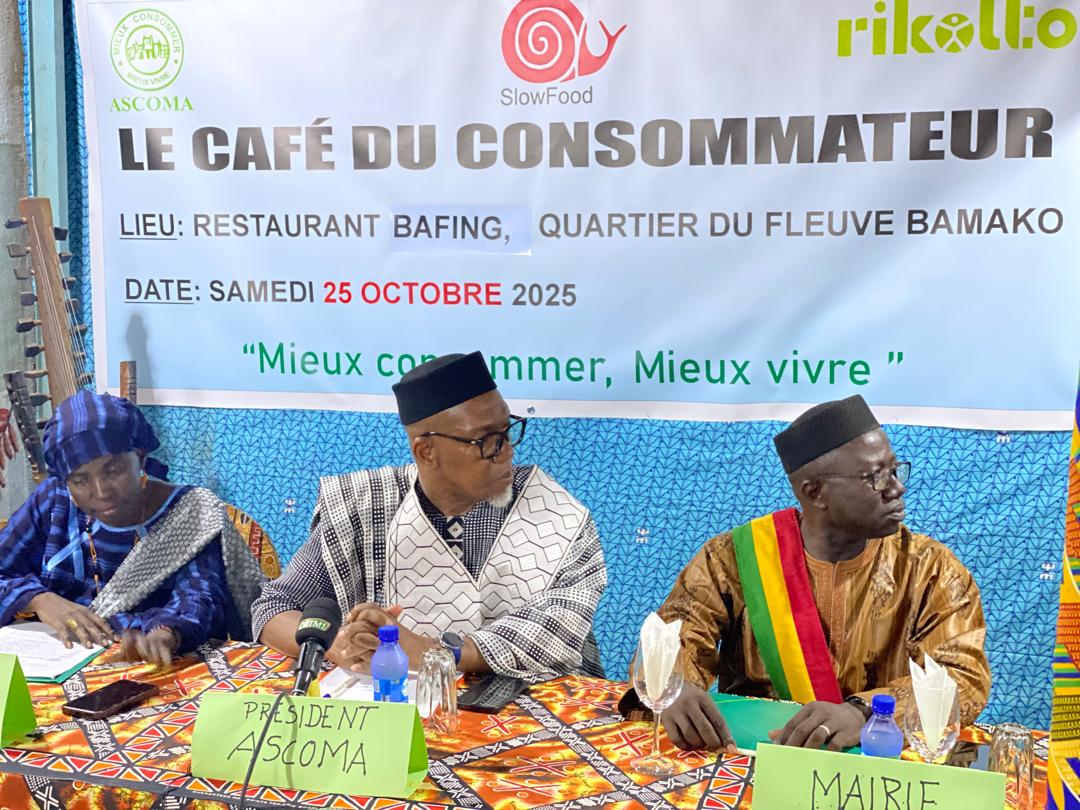
We also collaborate with the Association of Consumers of Mali (ASCOMA) to strengthen demand for local rice. Together, we are raising consumers' awareness of the benefits of sustainable rice.
Improving policies, strengthening governance and stimulating demand makes it possible to increase the impact of all the actors involved, who are gradually building a fairer, more inclusive and sustainable rice system for everyone.
.jpg)
.jpg)
.jpg)
.jpg)
.jpg)

[1] Normally the price varies between 300 and 400 FCFA
In Mali, our work is made possible by a network of stakeholders involved in every stage of the rice value chain. We collaborate with:




.jpg)