

The Climate Resilient Businesses for Wetland Adjacent Communities initiative brings aBi, Rikolto and private food system partners together to transform landscapes and livelihoods. How? By restoring over 25,000 hectares of degraded wetlands and helping 50,000+ farmers shift from wetland cultivation to sustainable upland alternatives.
Across eastern Uganda, wetlands have long played a vital role in rural life, regulating water flows, sustaining biodiversity, and providing food and income for millions of people[1]. However, this is under threat today. In Eastern Uganda alone, 66% of wetland cover has been lost (MWE, 2025) due to the erosion caused by unsustainable agricultural expansion and rapid urbanisation[2]. The growing pressure on these landscapes has tangible consequences, from declining soil fertility to more frequent flooding. In a context where nearly a quarter of the population lives in poverty, these environmental stresses leave farming families with fewer and fewer viable livelihood options and difficult choices to make. Limited access to finance, markets and viable alternatives to agricultural expansion often push them into practices that further degrade wetlands. Breaking this cycle requires an integrated approach that restores ecosystems while creating sustainable livelihood opportunities, rather than isolated conservation efforts.
Recognising the urgency of this challenge, the Government of Uganda sought support from the Government of Denmark to embed wetland restoration within Denmark’s Development Cooperation Strategy. This led to the formation of a multi-stakeholder partnership bringing together the Wetlands Management Department of the Ministry of Water and Environment, aBi Development Ltd, Rikolto and other wetland conservation actors, with strong engagement from the private sector. Together,they secured support for a three-year project designed to promote sustainableand climate-resilient agribusiness opportunities for wetland-adjacent communities in Eastern Uganda, while laying the foundations for long-term,sustainable wetland management.
[1] Wetland economic value is estimated at USD 1.46 billion (Kakuru et al., 2013), and theydirectly support the livelihoods of around 3 million people in Eastern Uganda(UNDP, 2020).
[2]Unsustainable agricultural expansion andurbanization, account for 43% of this loss (MWE, 2024).
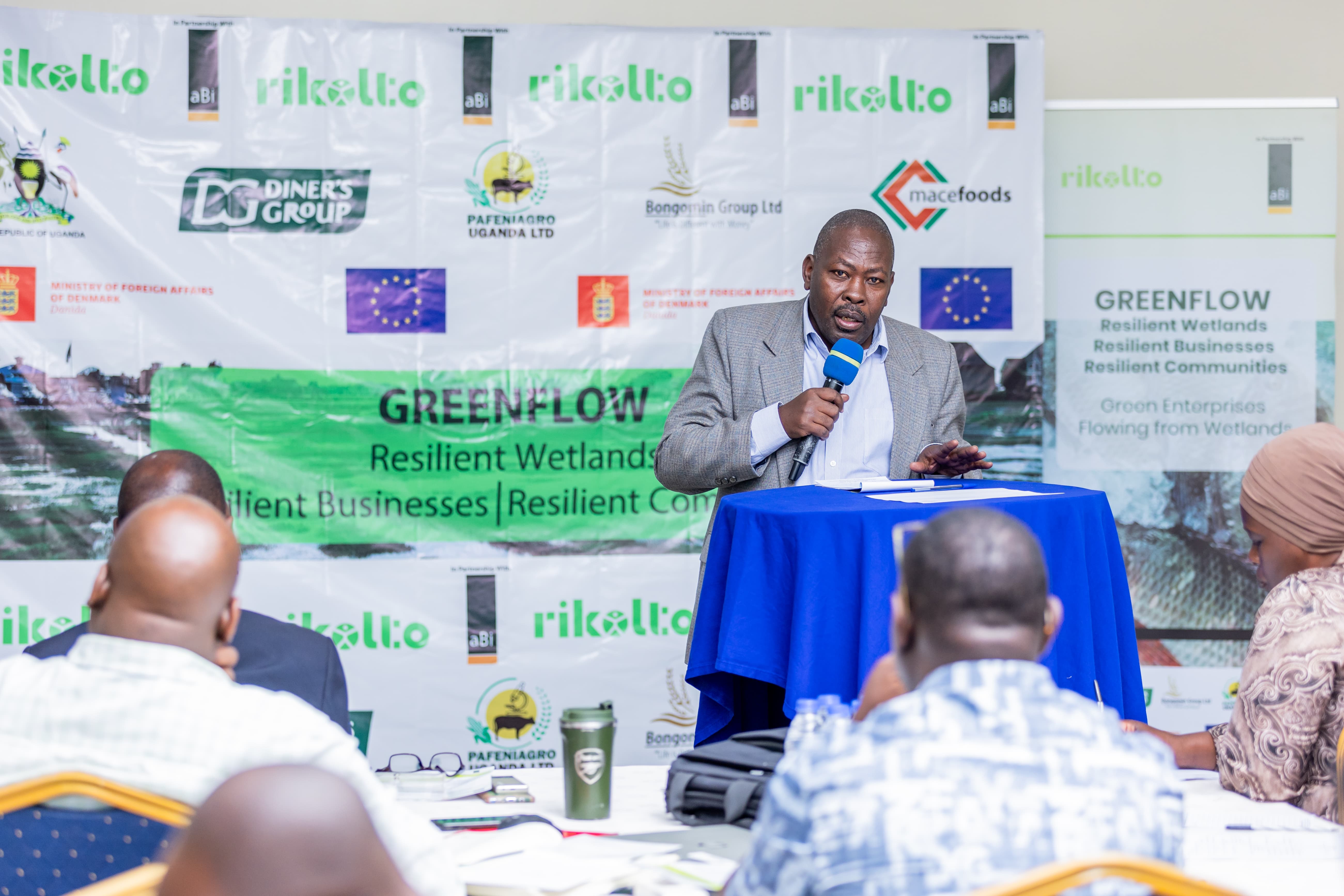
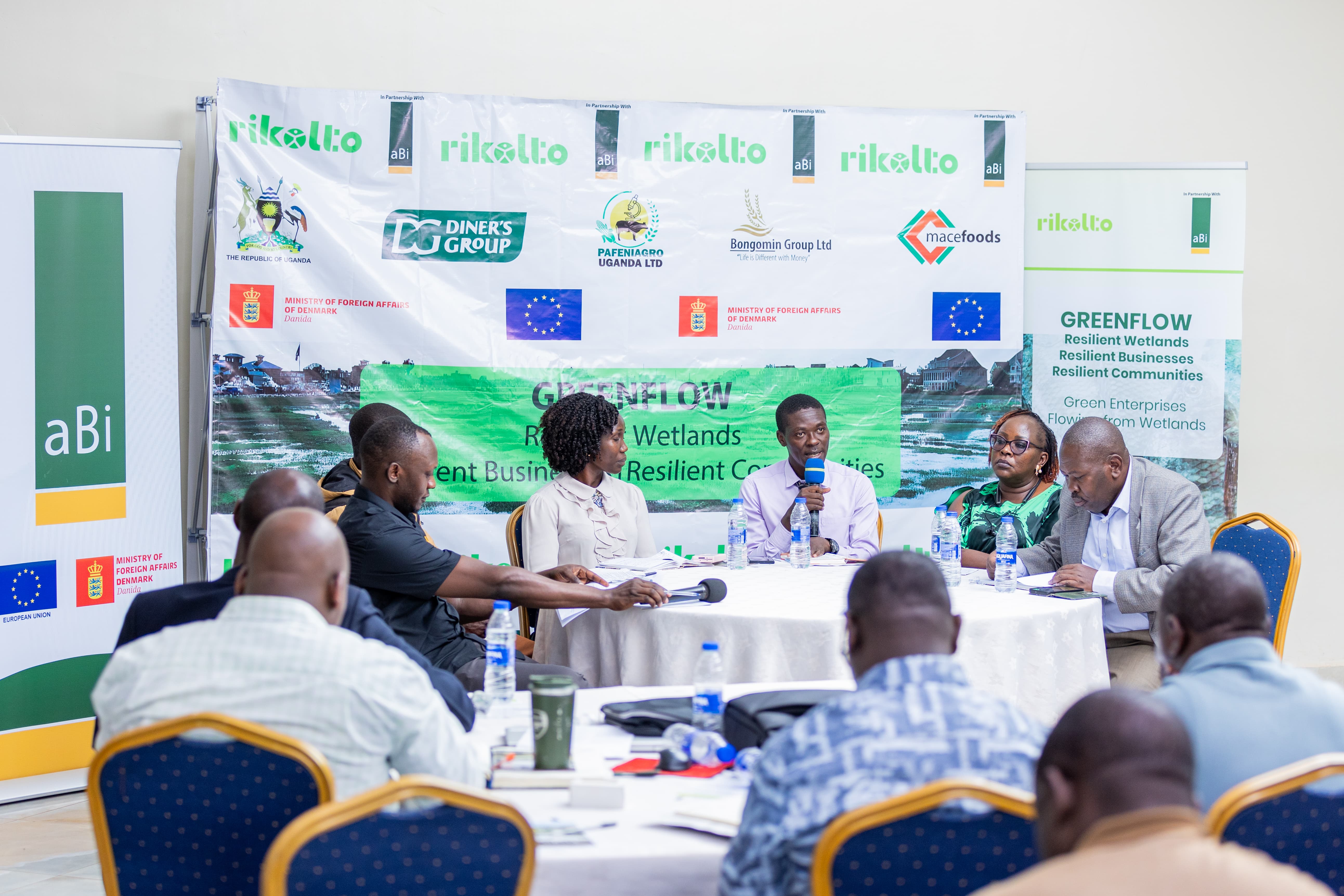
The project that we are discussing here today aims to ensure that people who depend on wetlands are provided with alternative livelihoods, as digging and survival on wetlands is very destructive.
To tackle wetland degradation and support local communities, the project links ecological restoration with sustainable economic opportunities. This integrated approach ensures that protecting wetlands goes hand-in-hand with improving livelihoods by:
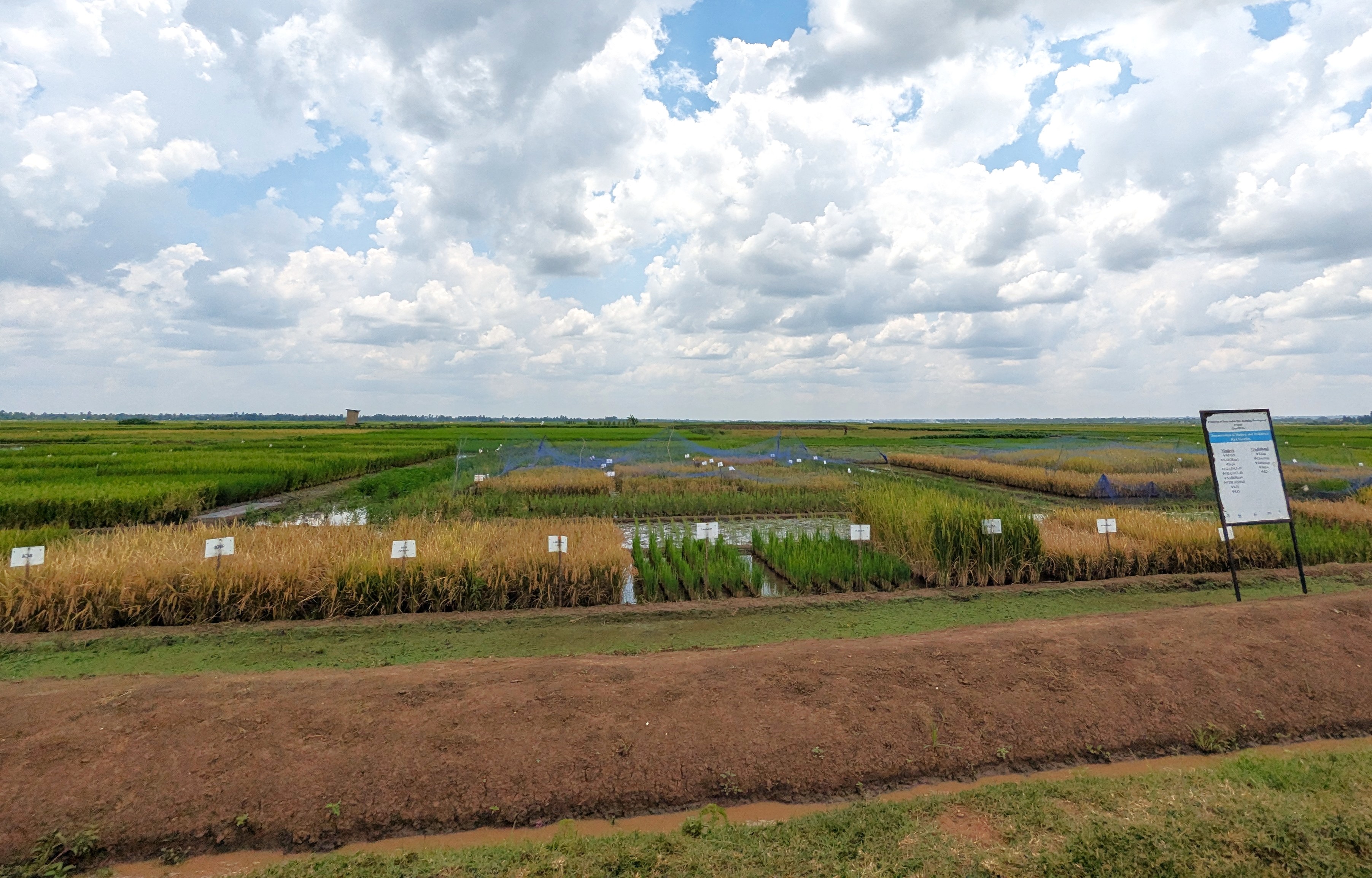
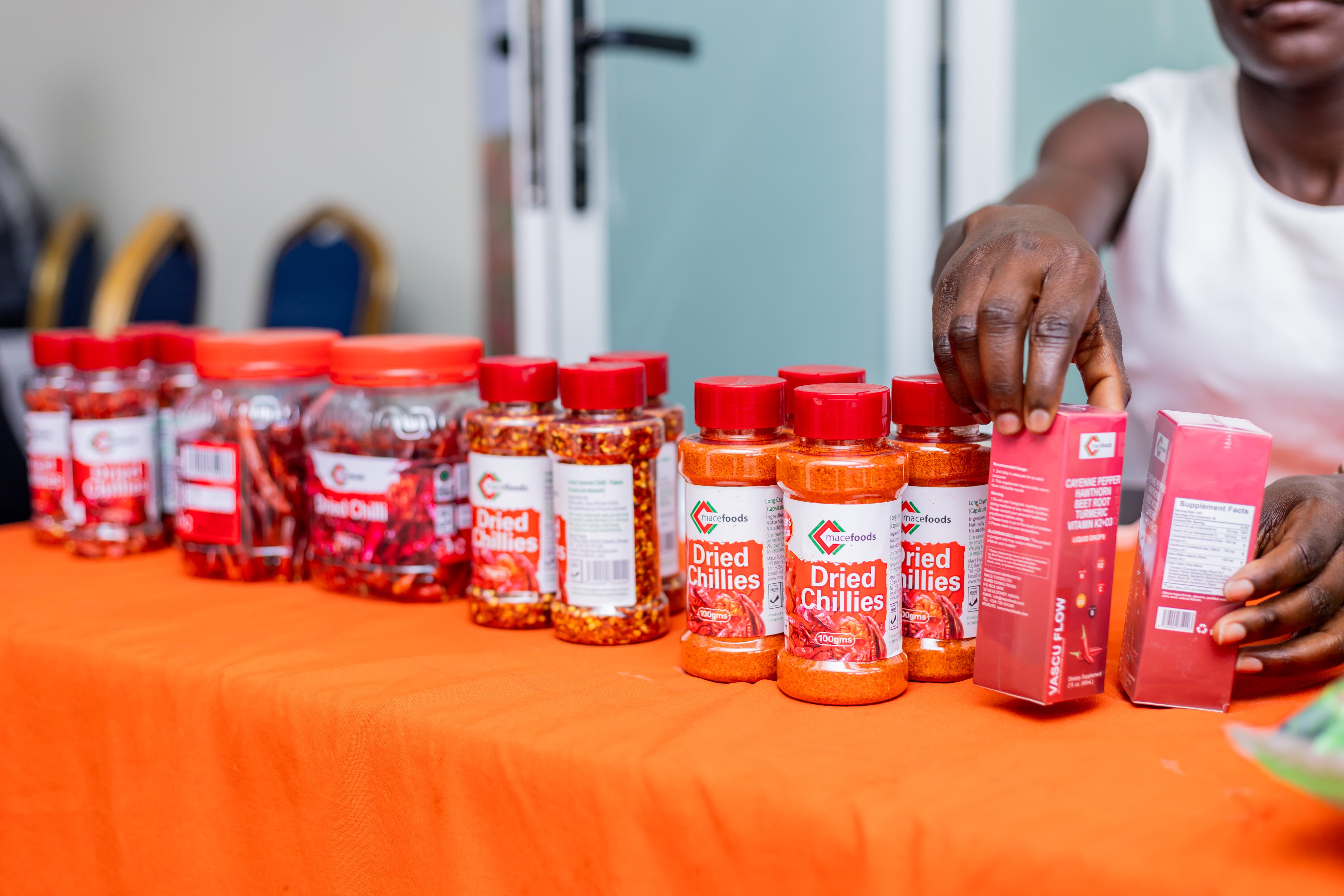
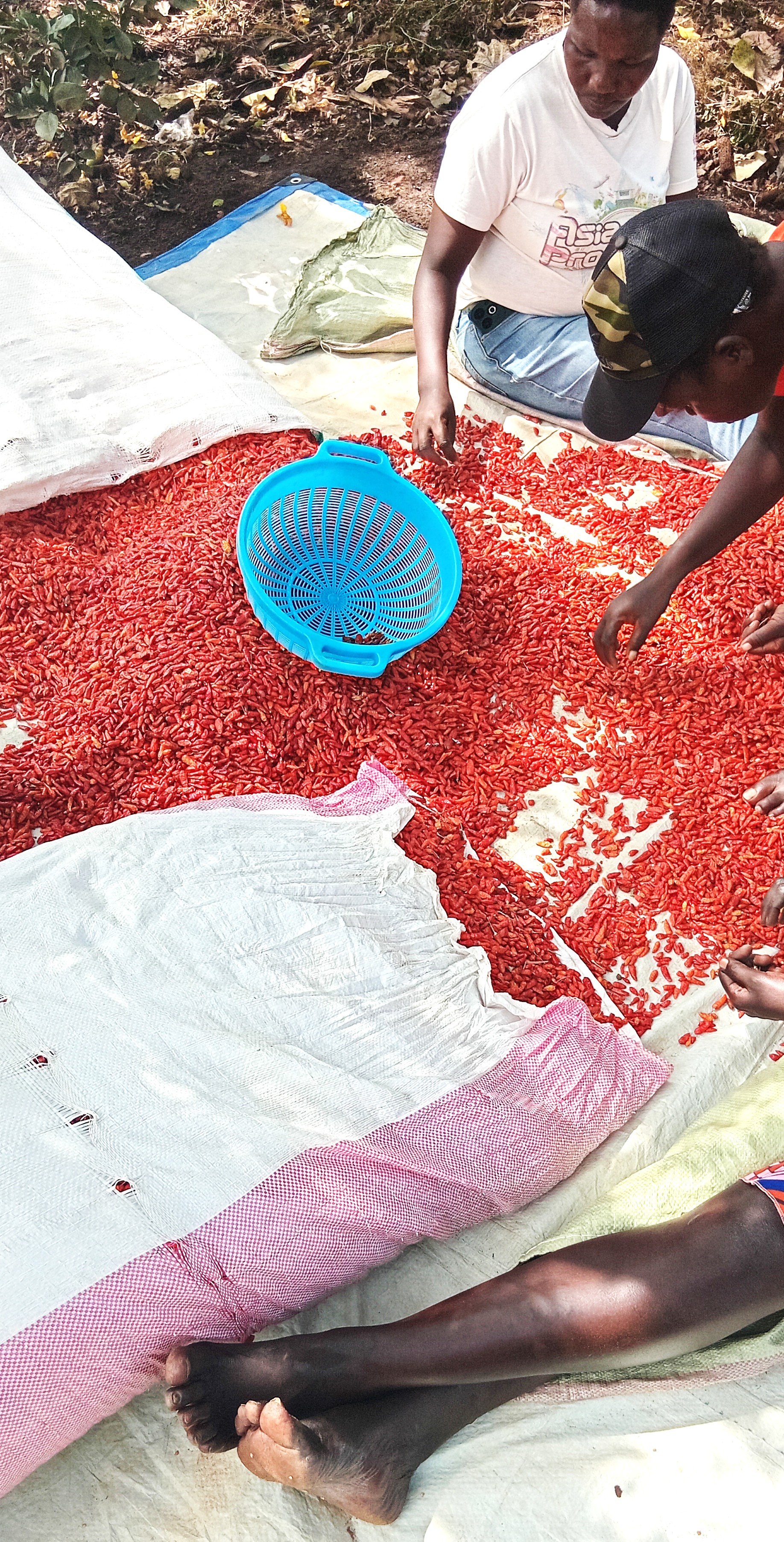
50,000 smallholder farmers will transition to chillies, tomatoes, fish, and rice within gazetted areas instead of farming in wetlands. Farmer Field Schools and demonstration plots will provide hands-on training in water-efficient irrigation, soil fertility management, pest control and other practices that boost productivity while safeguarding the environment.
Cooperatives will be reinforced to help farmers access credit, quality seeds, and reliable markets. Inclusive business-to-business relationships with private off-takers will be promoted through the strengthening of aggregation centres, the facilitation of contract farming and the improvement of product quality.
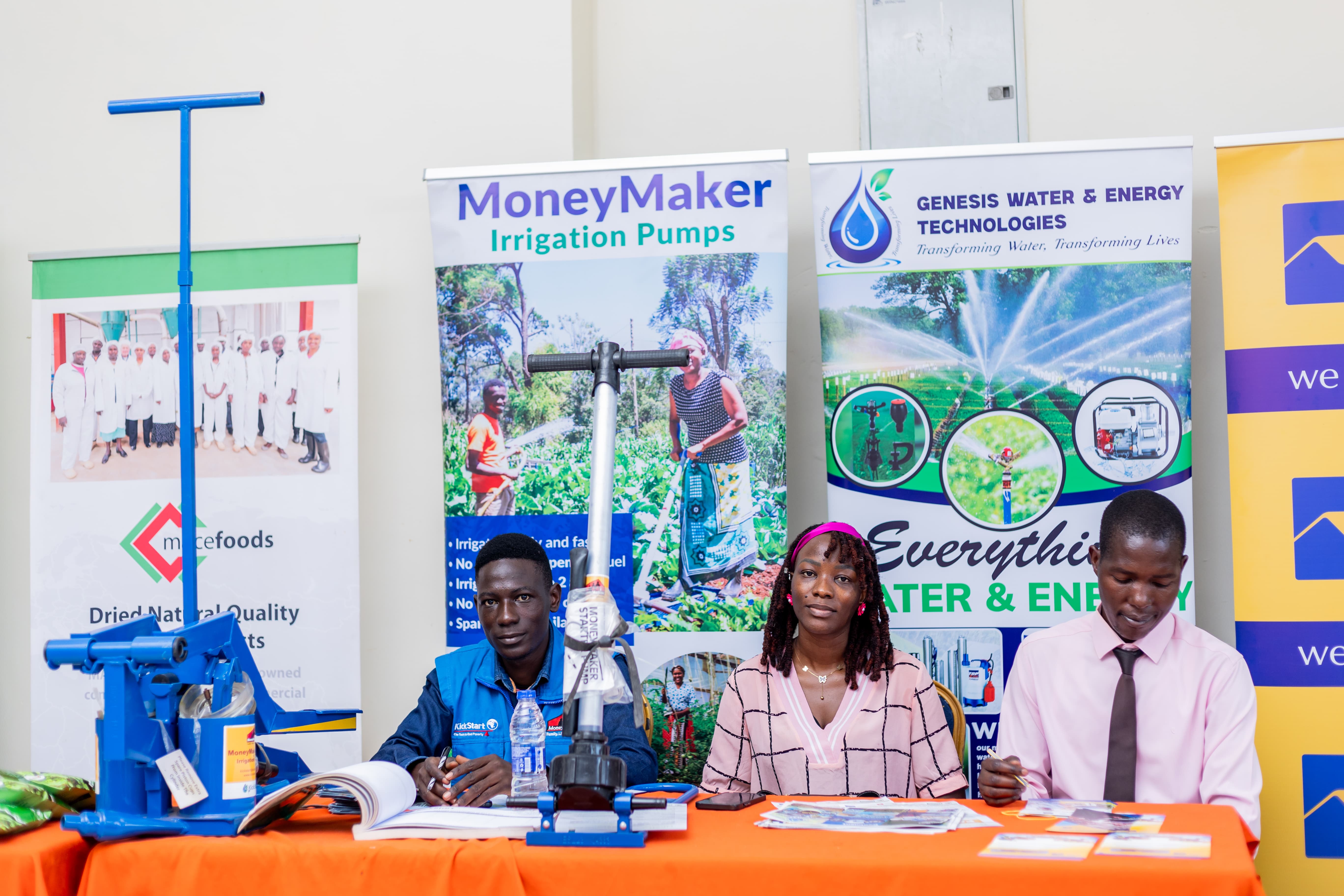
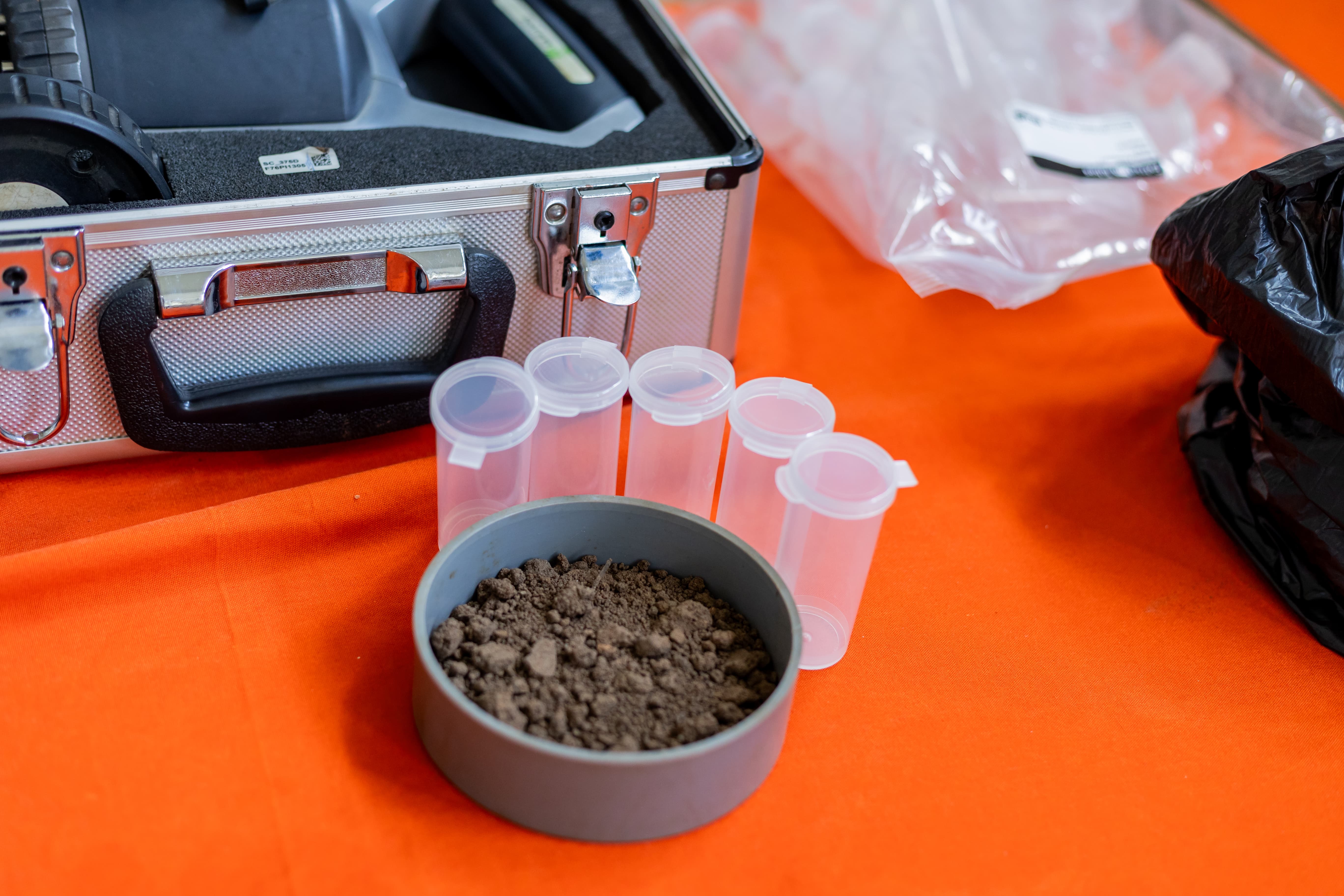
Combining rainwater harvesting, efficient irrigation systems, fishponds, and flood control measures with input application informed by soil and water assessments will boost productivity while reducing reliance on natural resources. Post-harvest losses will be minimised through solar drying, improved storage and packaging, and training in quality standards.
Building on stronger, more resilient farm-level production, the project also aims to boost the gross profits of enterprises operating along the value chain. This will be achieved by connecting all value chain actors with SACCOs, banks and impact investors, thereby providing greater access to finance. At the same time, we will encourage investment in value addition and quality assurance, with the ultimate goal of enabling access to higher-value markets. Particular focus will be given to enterprises led by young people and women in the production, processing, and marketing sectors.
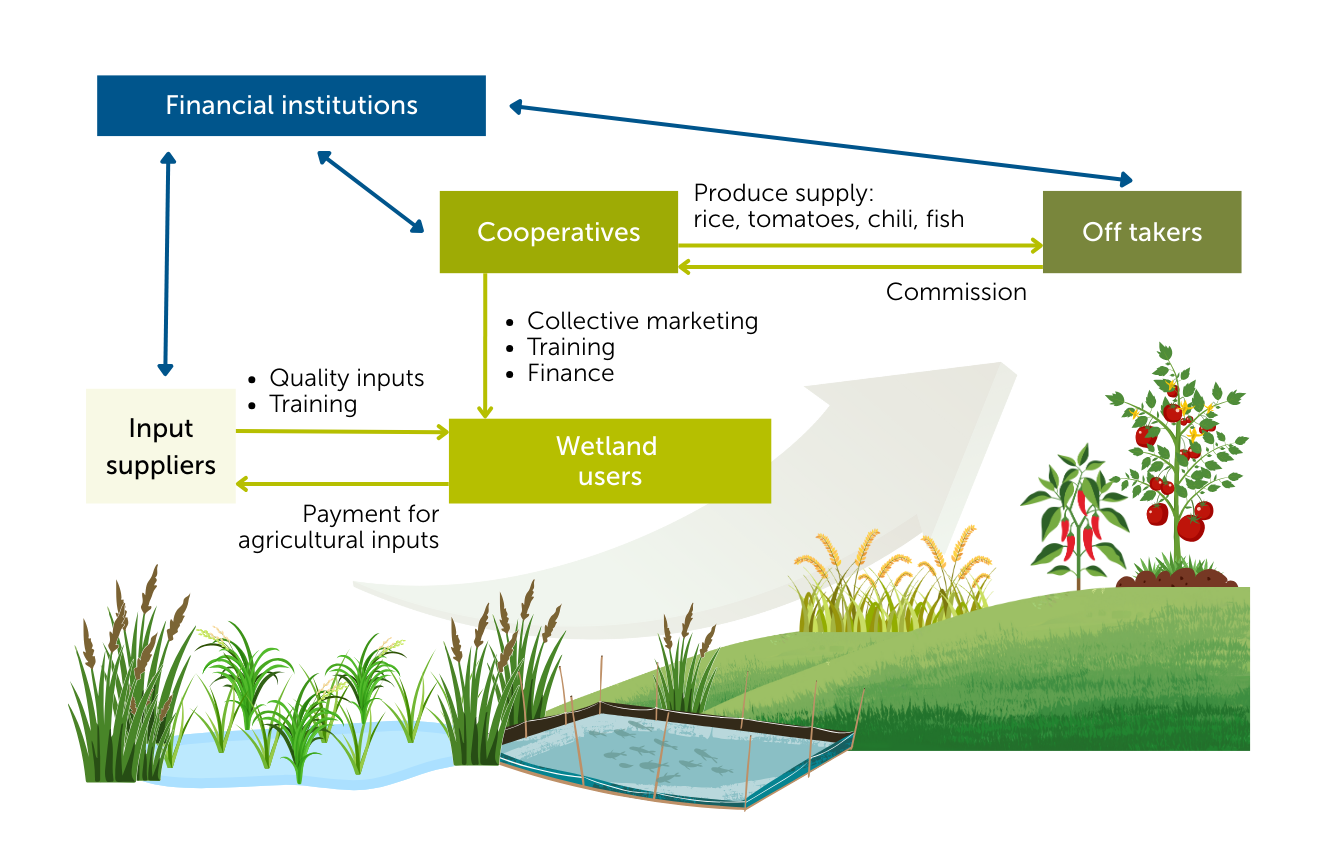
Modelled on the existing rice platforms, new multi-stakeholder platforms for chillies, tomatoes and fish will bring together farmers, cooperatives, authorities and private actors. These platforms will support joint action to align these new economic opportunities with wetland restoration. For example, they will inform national policies and guidelines on sustainable wetland use and aquaculture, ensuring compliance with regulations at the local level.
Farmers will gain awareness of the ecological and economic value of wetlands and be supported to comply with environmental regulations and policies. The development of conditional grants will provide financial incentives for those who take concrete action to protect and restore wetlands, particularly for farmers and cooperatives. At the same time, ecotourism and conservation-based enterprises will generate sustainable income while reinforcing stewardship of wetland ecosystems.

.JPG)
.jpg)
.jpeg)
.jpg)
.jpg)
.jpg)
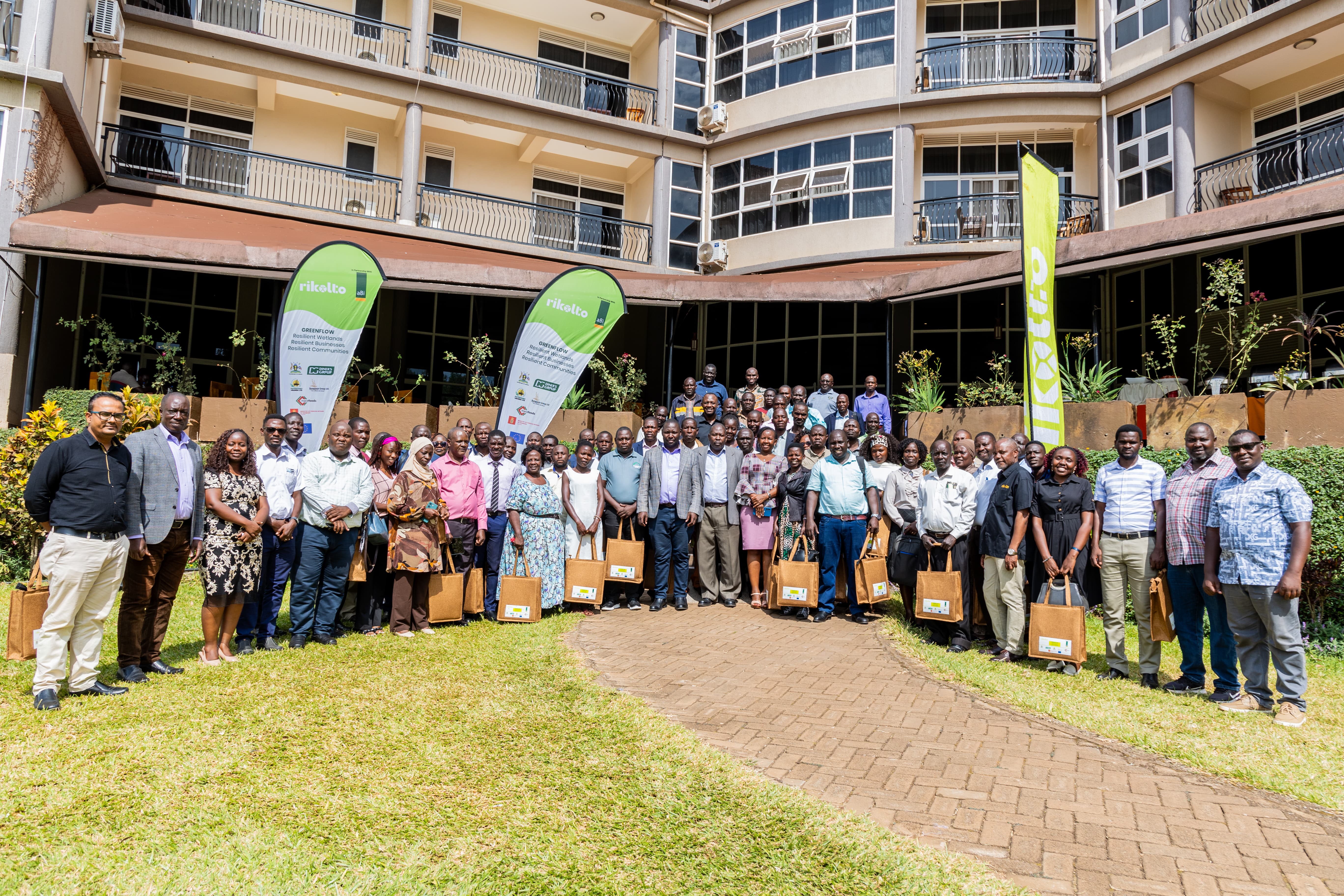
Pictures: Etroca and Rikolto - Cover picture: Etroca
Over three years, the project will delivermeasurable benefits for farmers, enterprises, and wetlands:
The project involved conducting a 13-district assessment of wetlands, aquaculture and local livelihoods. This provided the evidence needed to inform the restoration of wetlands and the future development of aquaculture. A 10-acre agroecological learning centre was established to train farmers and demonstrate practical farming solutions. Meanwhile, 11,409 farmers (including 4,881 women and 1,266 young people) were registered in the aBi Farmer Management System.
The project also unlocked USD 678,141 in private-sector investment to establish a biochar production facility, developed market models for rice, chilli and aquaculture, and identified three reservoir hubs to support the future growth of sustainable aquaculture. Along the way, 45 new jobs were created.

Rikolto mobilises funds, provides overallcoordination, and leads project implementation, working in close partnership with:
This project would not be possible without the support of aBi Development, the Embassy of Denmark in Uganda, and the European Union.









.jpg)