

With the support of the Belgian Directorate-General for Development Cooperation (DGD), Rikolto supports rice actors in Senegal in the transition towards more sustainable and resilient production. By supporting the adoption of the Sustainable Rice Platform (SRP) standard, the strengthening of inclusive trade relationships, and the establishment of multi-stakeholder policy dialogue, the project contributes to improving farmers' incomes, creating opportunities for youth and women, and reducing the environmental footprint of rice farming.
In Senegal, nearly 70% of the population lives in rural areas. Rice is a key part of their diet, with an average consumption of 90 kg per inhabitant per year (FAO, 2016). The National Rice Self-Sufficiency Program (PNAR), launched in 2012 and revised in 2014, increased paddy production from 551,000 tonnes in 2014 to over 1.5 million in 20231, thanks to better seeds, the rehabilitation of infrastructure and the modernisation of equipment. The Senegal River Valley recorded an exceptional agricultural season during the 2025 hot off-season, with paddy production reaching 420,000 tonnes. However, this progress remains fragile: farmers are exposed to are exposed to the effects of climate change, as well as low yields and a limited access to quality inputs. For instance, in 2024 more than 12,000 hectares of farmland For example, 12,000 hectares of farmland were destroyed in this same region.
The challenges are also economic and social: formalisation of commercial relationships, access to credit, professionalisation of farmers' organizations and active participation of women and young people in the value chain. Youn people presence in the rice sector remains marginal and deespite being active participants in farming and processing, women often have less access to land, finance and decision-making positions.
Finally, environmental sustainability is also a key issue. Excessive use of chemical fertilisers and poor water management lead to soil degradation and an increase in methane emissions, an especially destructive greenhouse gas.

To support the sustainable transformation of the rice sector, Rikolto adopts a systemic approach based on three pillars:
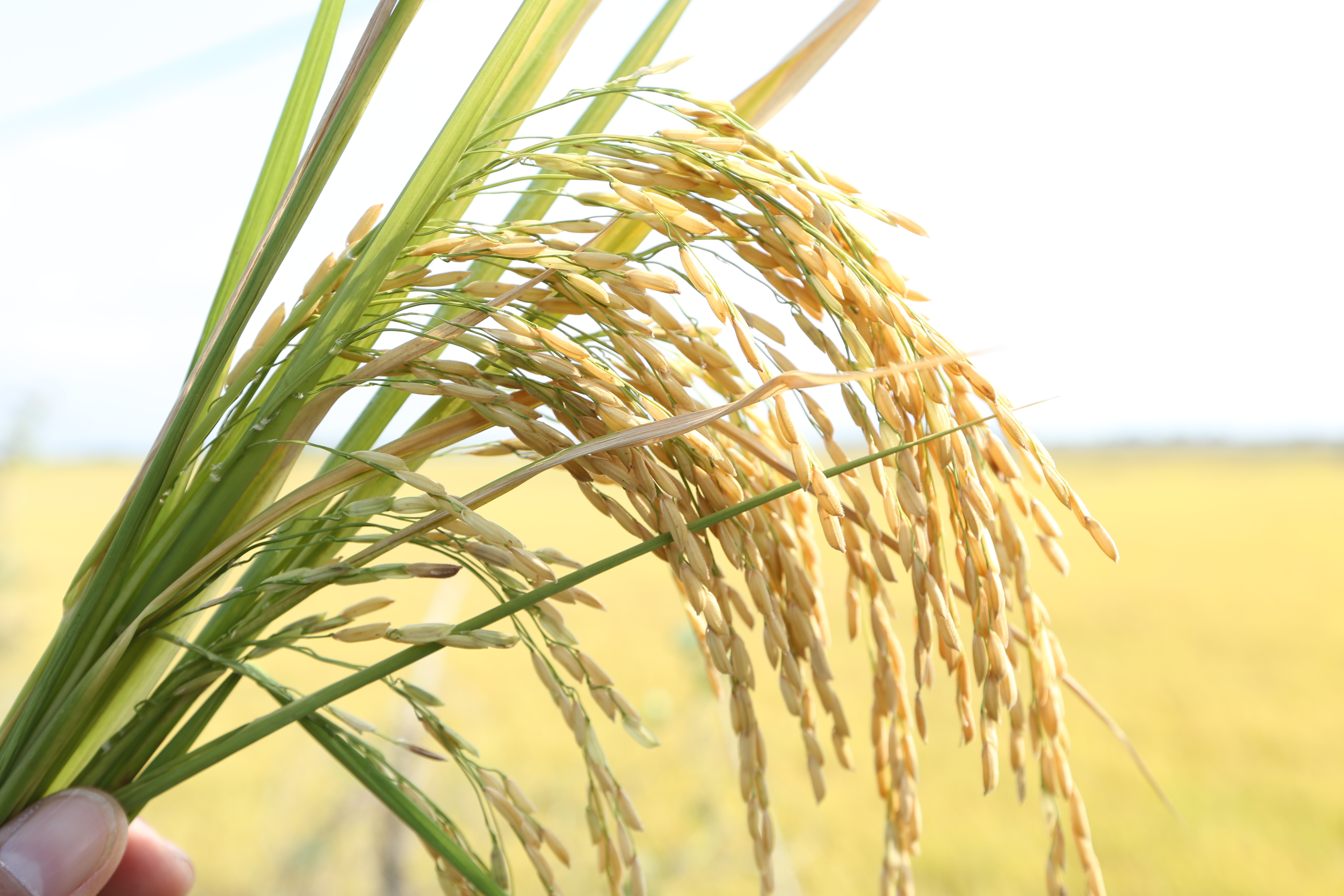
Rikolto supports producers in adopting the Sustainable Rice Platform (SRP) standard, an international benchmark comprising 41 criteria divided into eight themes: farm management, seed preparation, water management, soil fertility management, integrated pest management, health and safety, post-harvest activities, children's rights and labour rights. This approach improves productivity while reducing the environmental impact of rice cultivation, particularly in terms of water management and greenhouse gas emissions.
Rikolto also supports local economic initiatives for young people and women, such as the creation of organic fertiliser production units managed by young entrepreneurs, or providing women's groups with mechanised winnowing equipment.
Our work focuses on facilitating contracts between producers and rice farmers, as well as developing inclusive commercial relationships between actors in the sector that guarantee decent incomes and greater stability for producers. Young entrepreneurs are supported in developing innovative initiatives around rice production, processing and marketing, paving the way for a new generation of sustainable rural businesses.
Finally, Rikolto works to create a favourable ecosystem by raising consumer awareness of the benefits of local and sustainable rice, facilitating access to finance through risk reduction mechanisms and the development of appropriate financial products, and advocating for the integration of the SRP standard and inclusive trade principles into national policies. How? Through multi-stakeholder processes in which we support professional organisations in the rice sector to strengthen their capacity to influence and become real drivers of change towards a sustainable and inclusive sector in Senegal.
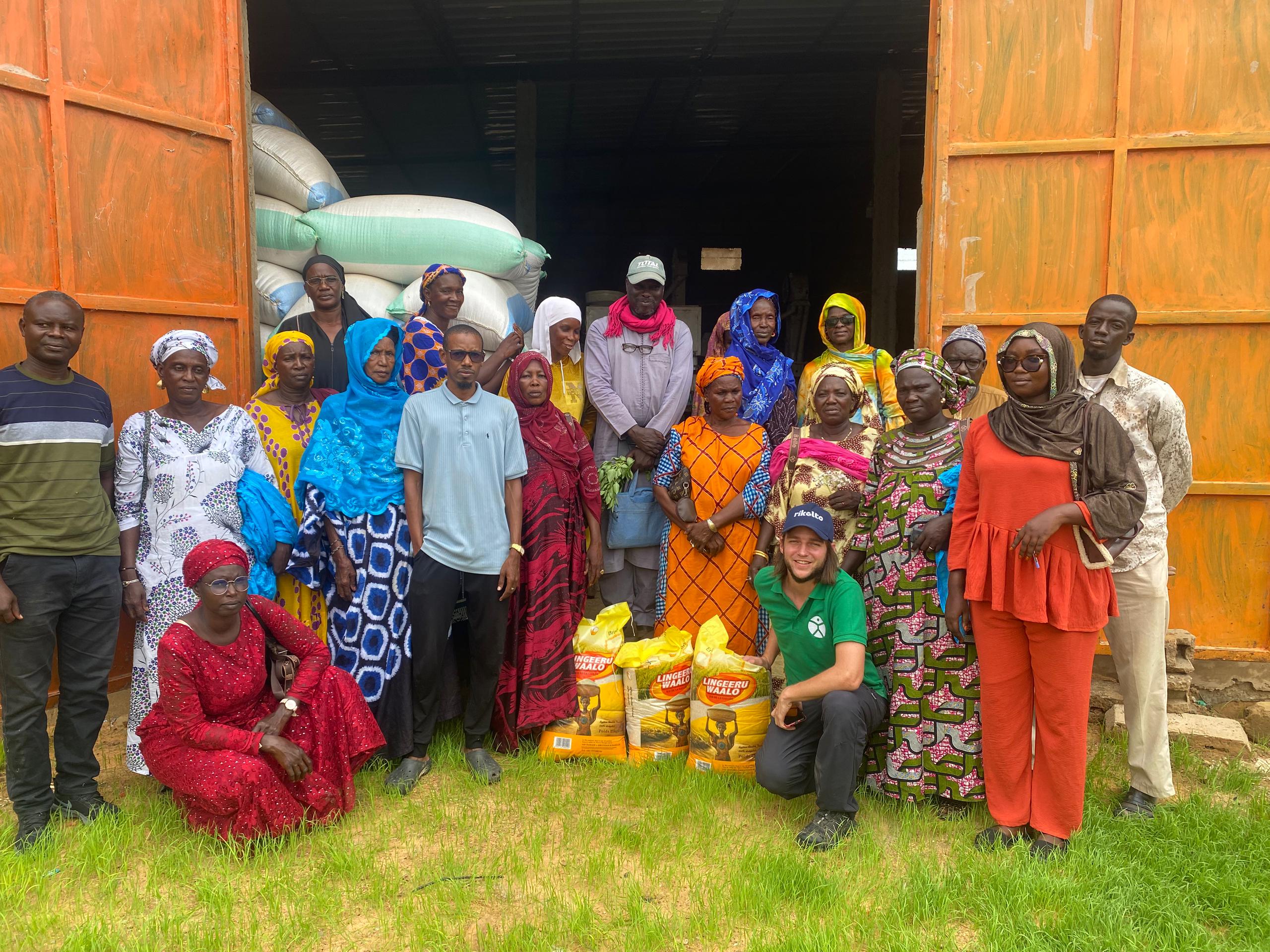
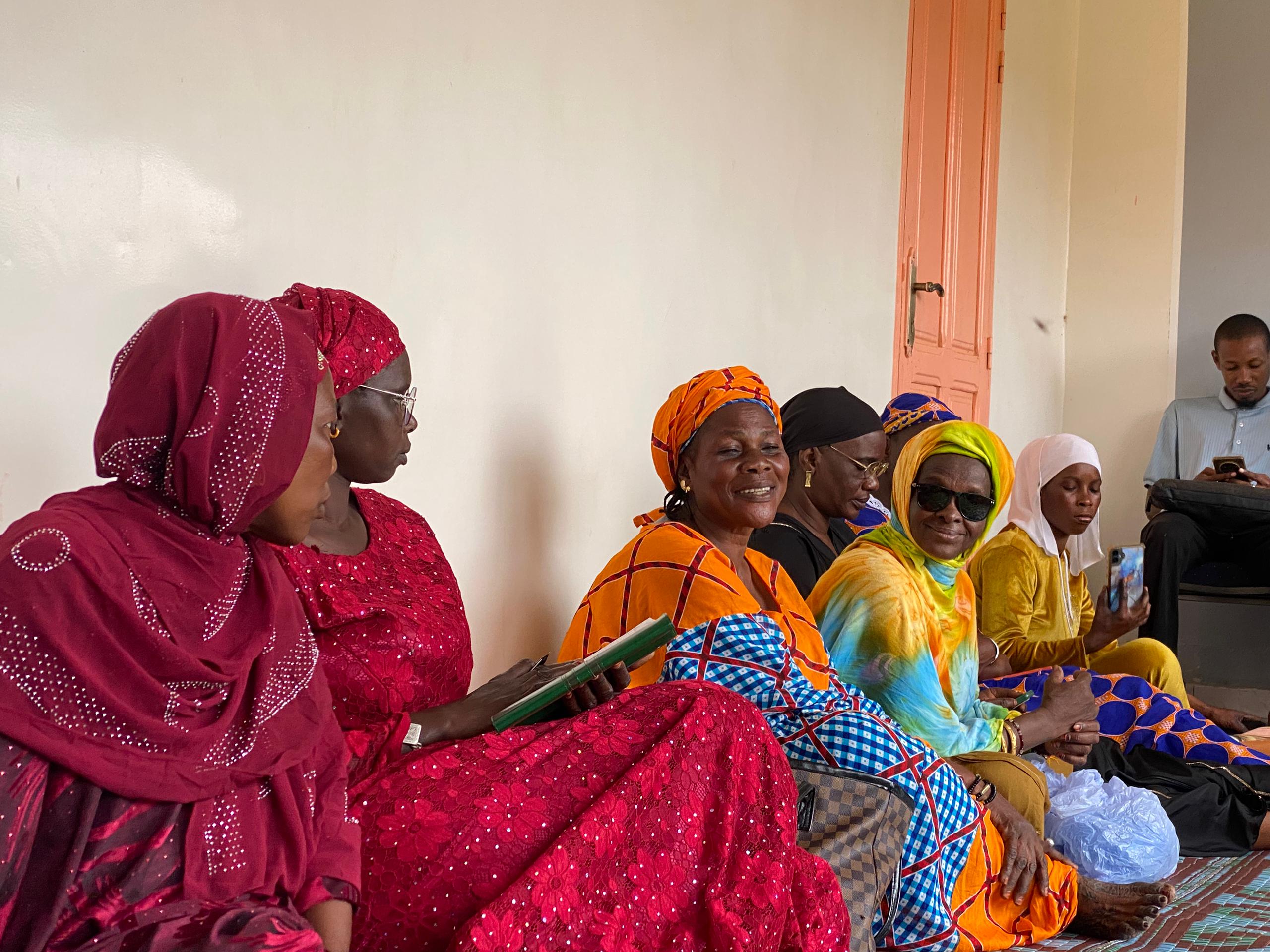
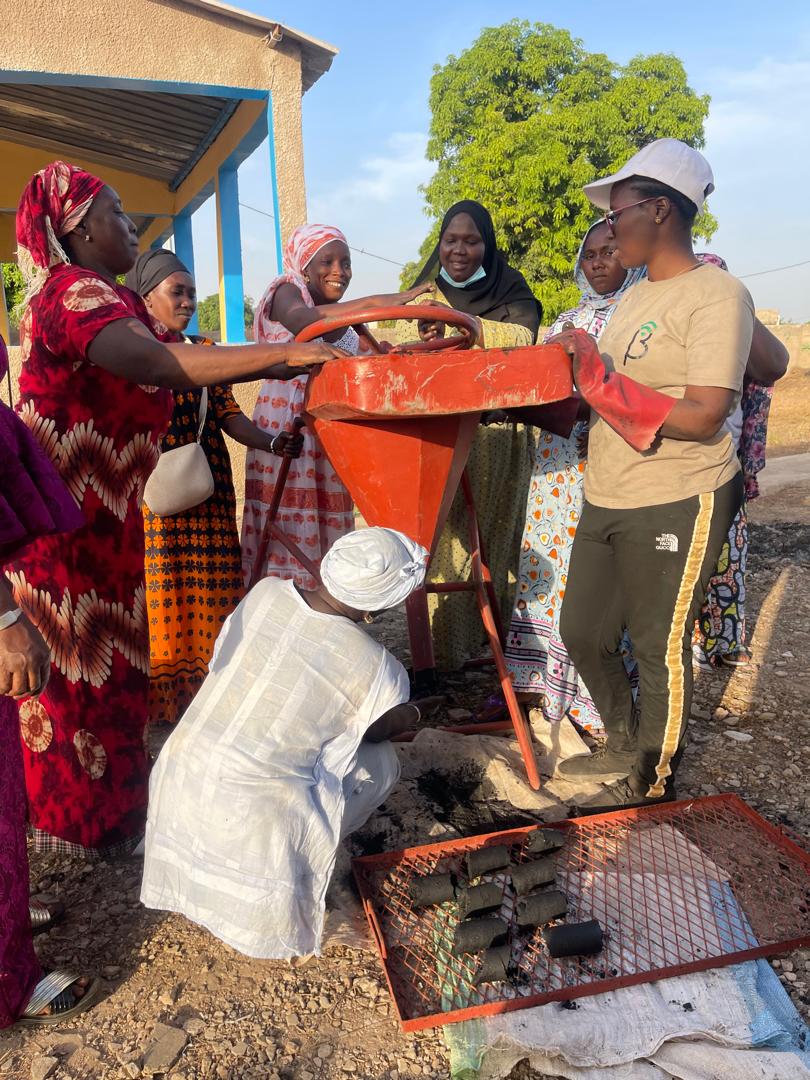
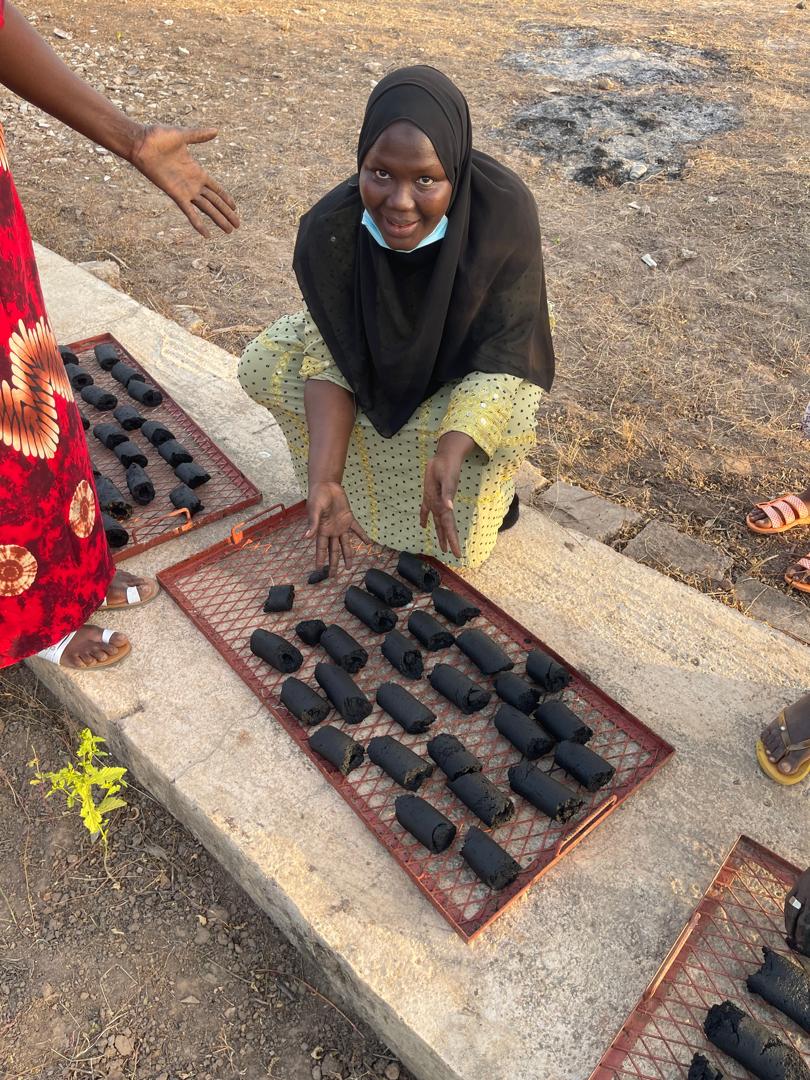
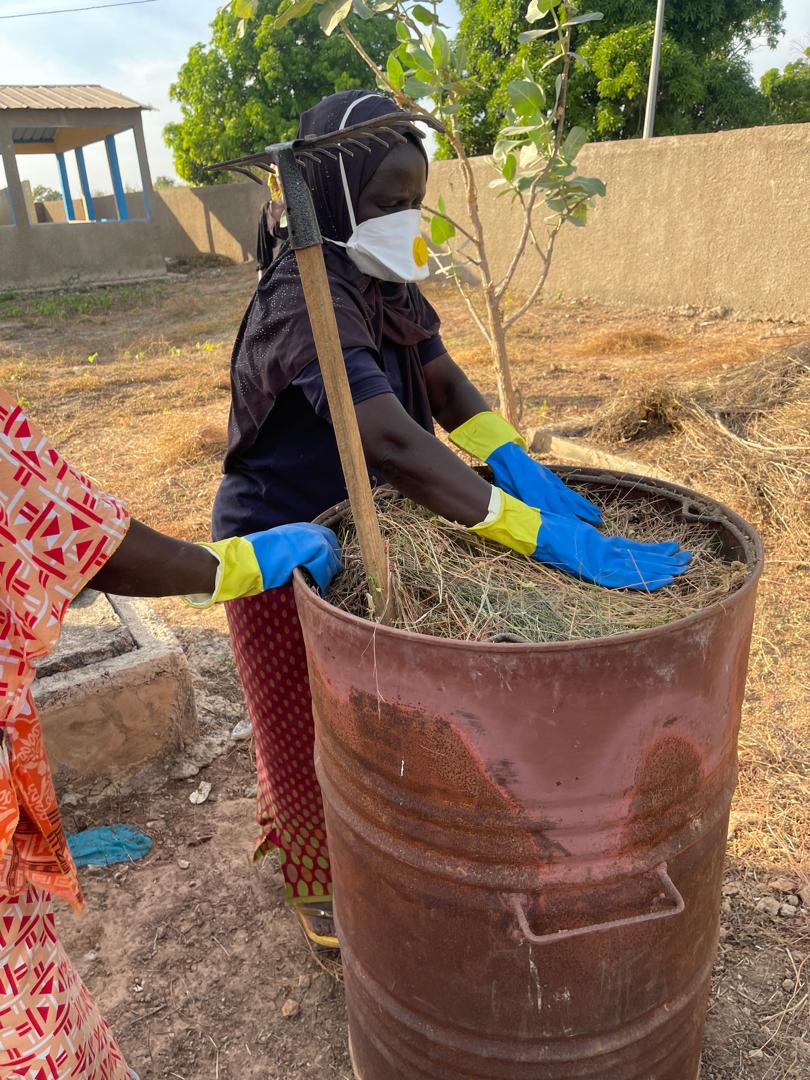
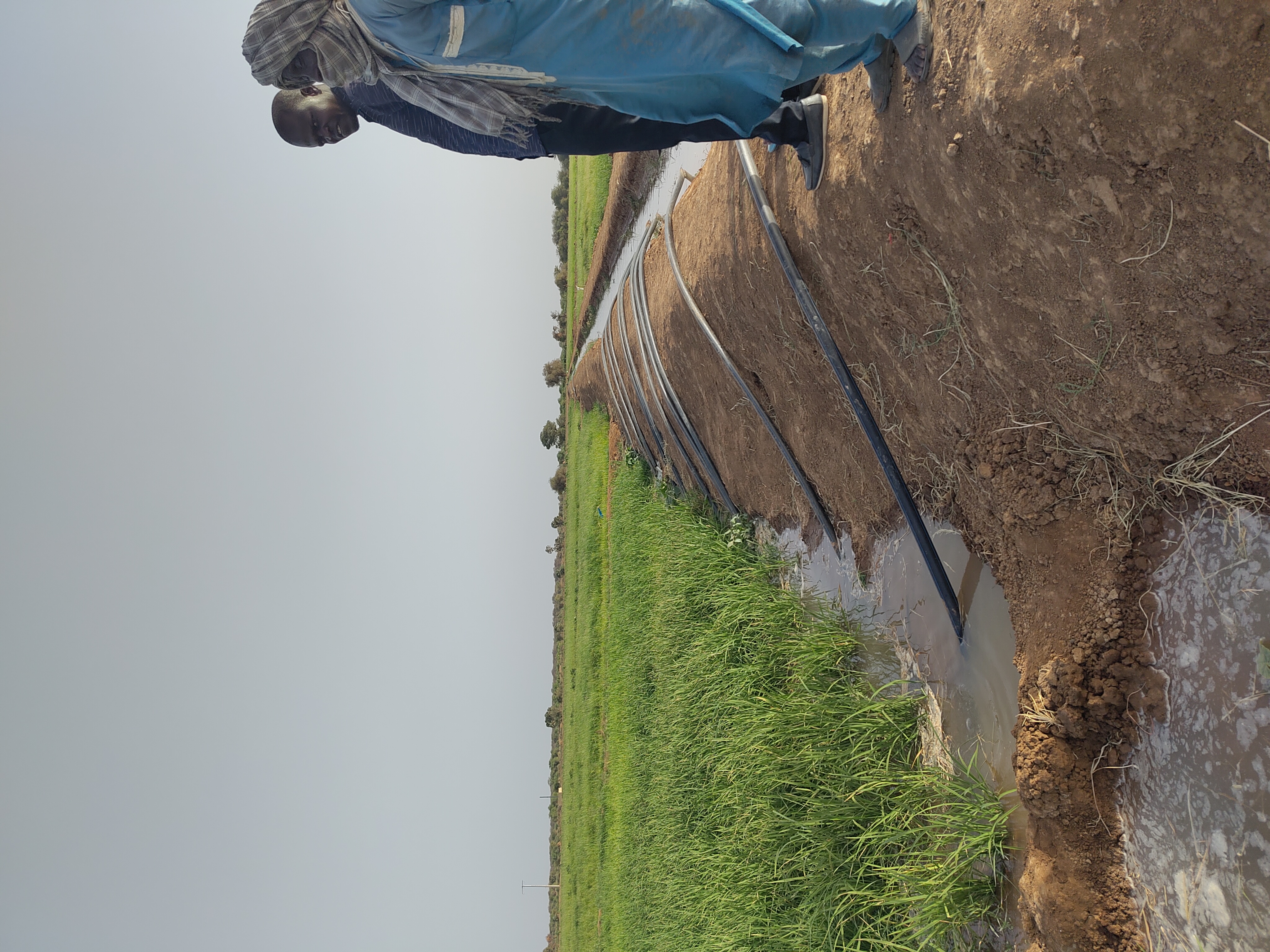
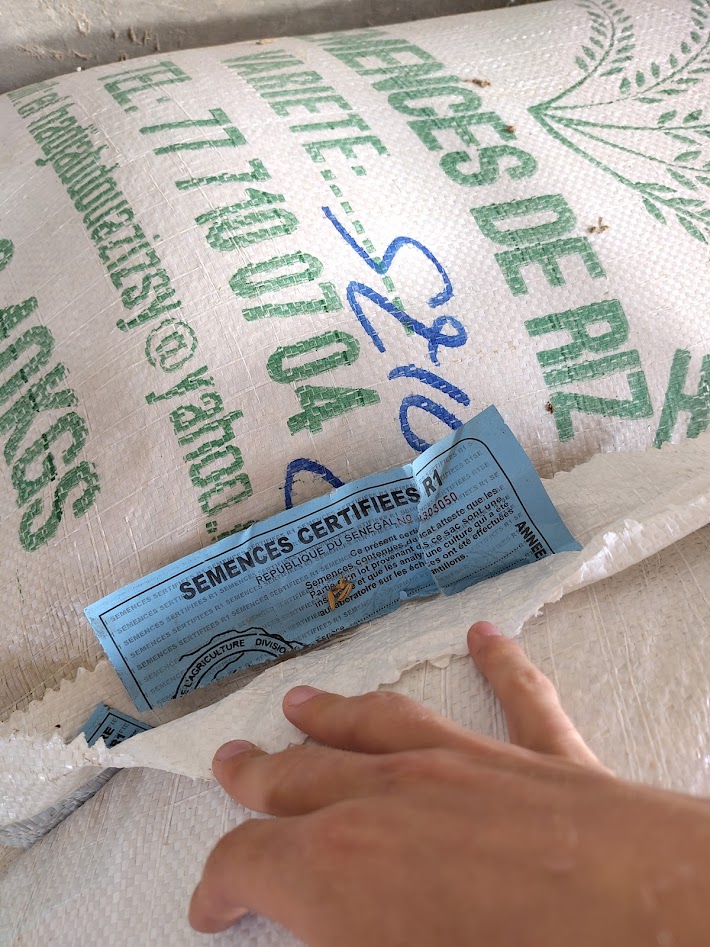



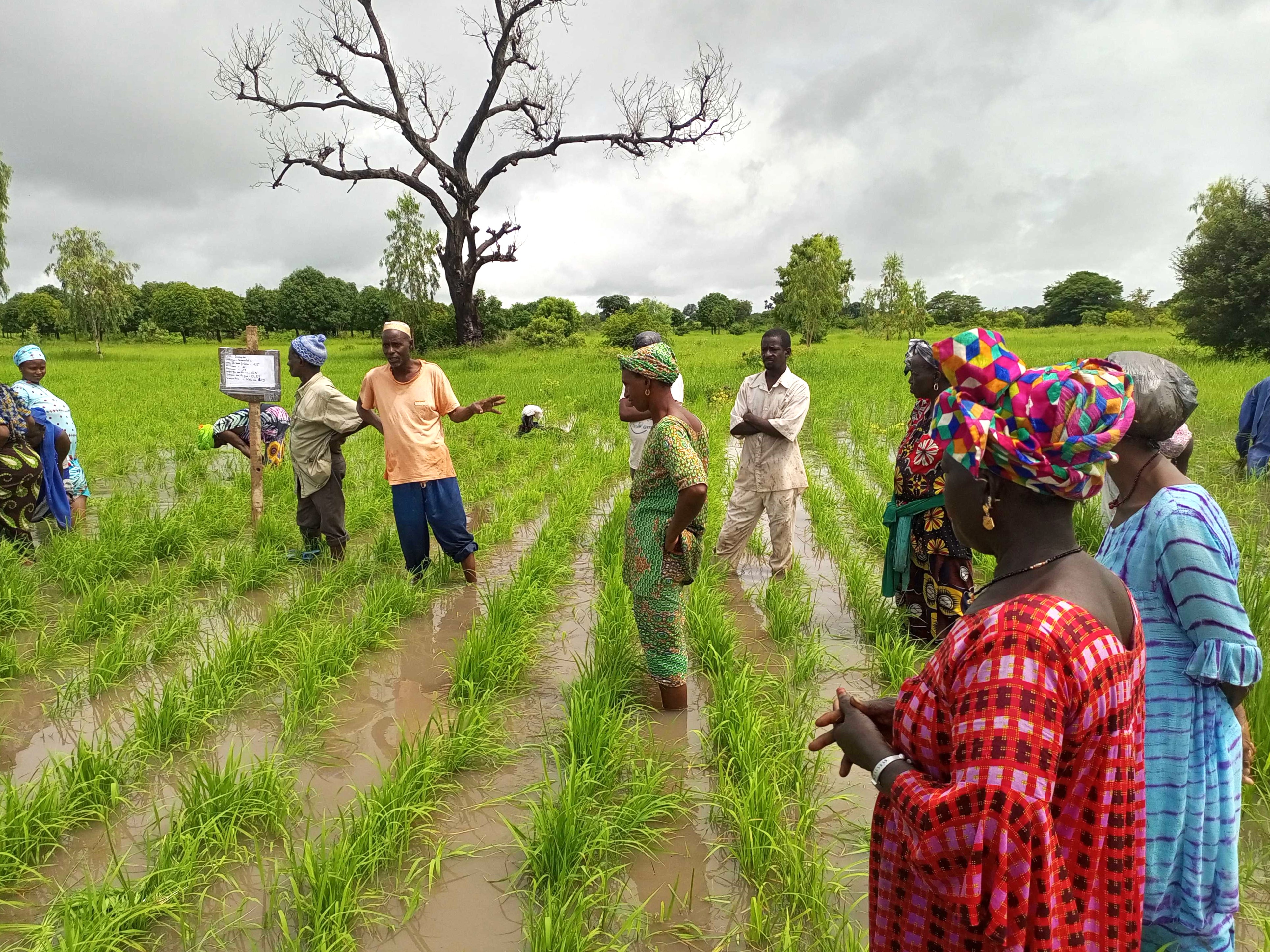

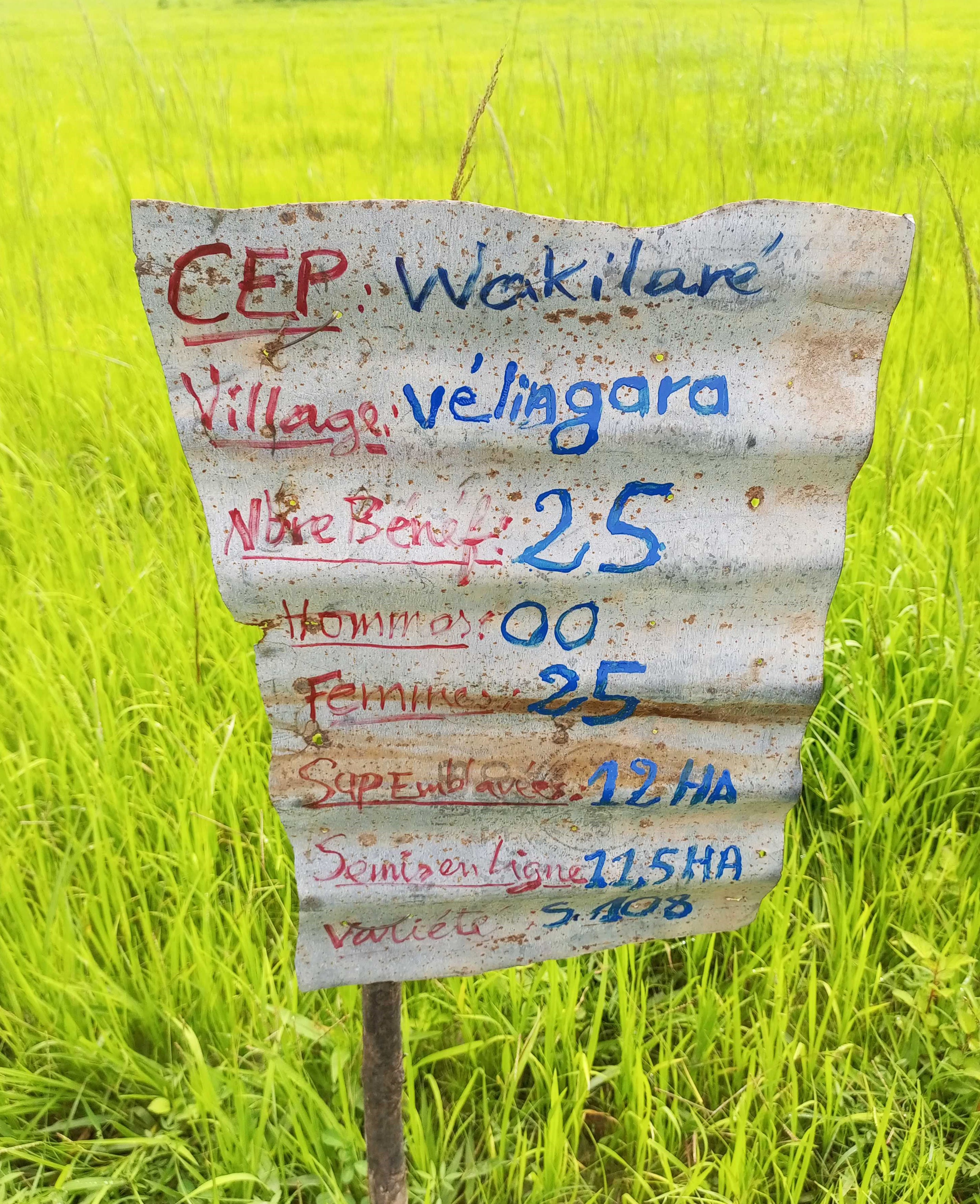


Rikolto supports producers and technical staff from the farmers' organisations FPA and FEPROBA in adopting the Sustainable Rice Platform (SRP) standard, while facilitating their access to finance and organic fertilisers.
Thanks to the Farmer Field Schools (FFS), which are learning spaces, producers get to test and discuss new practices such as rice straw management, crop planning, seedling quality monitoring, water and fertiliser management, pest control and harvesting techniques. These lessons have led to increased yields (from 3 to 3.5 t/ha for FEPROBA and 4 to 5.5 t/ha and exceptional yields of 7 to 9 tonnes in 2025 for FPA) and soil fertility, while the adoption of improved seed varieties (short-cycle, high-yield and climate-tolerant) has strengthened resilience to climate variability. Between 2022 and 2025, the number of producers trained in SRP practices increased driven by the decision of the southern-based FEPROBA to extend the application of SRP to rain-fed areas, mainly managed by women, in addition to irrigated areas.
The introduction of the Urea Deep Placement (UDP) technique, in conjunction with SRP, has halved the amount of fertiliser used (113 kg/ha instead of 250 kg), thereby reducing production costs by 17%. Women farmers who grow rain-fed rice, who are particularly open to innovation, have also adopted this technique: in 2024, 1,509 of them, cultivating 463 hectares, received four tonnes of granulated urea to experiment with this sustainable approach.
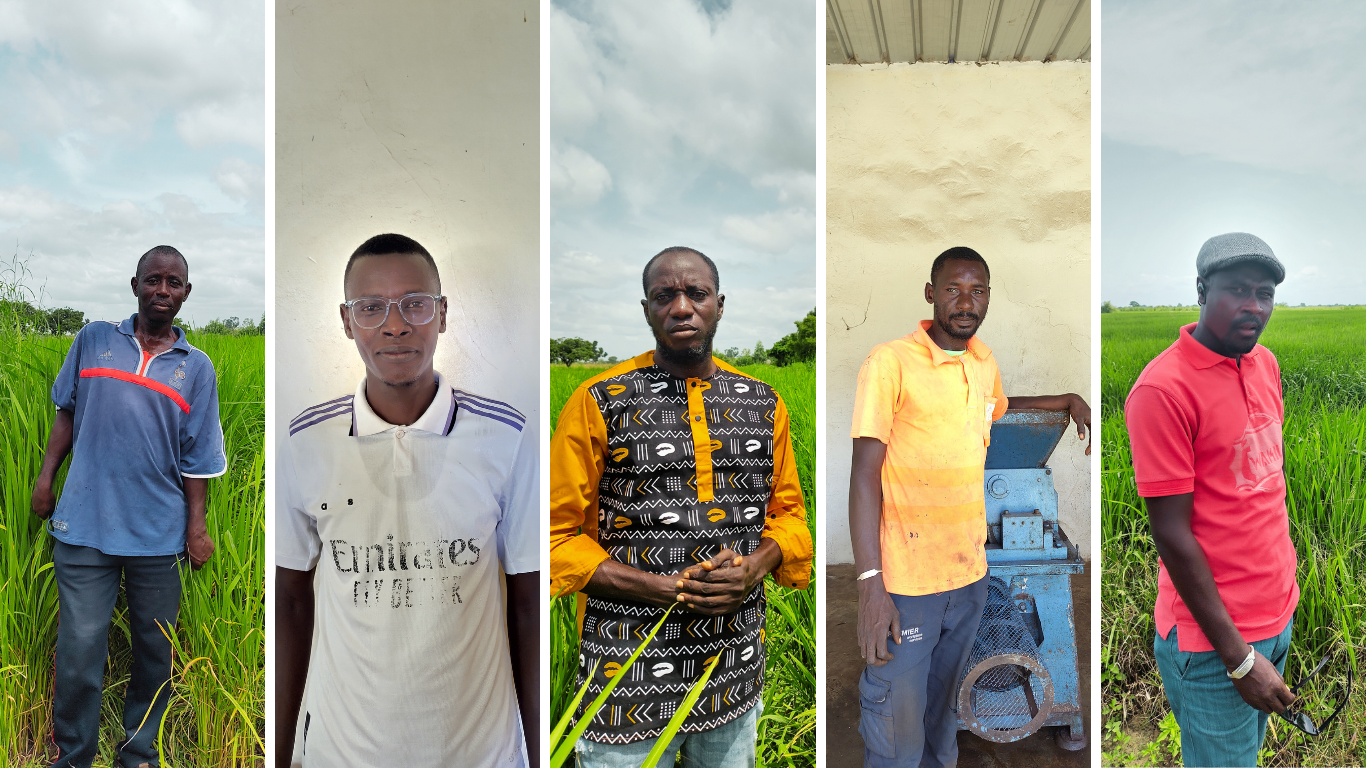
This dynamic gave rise to the first local granulated urea production unit in Senegal, run by 18 young entrepreneurs. In two years, this unit doubled its production and achieved a turnover of €126,000 in 2024, with a profit margin of 52%. Growing demand is creating new employment opportunities for young people responsible for applying urea in the field.
Rikolto supports the development of inclusive commercial relationships between producers and private actors.
In southern Senegal, FEPROBA has taken important steps to become a stronger and more reliable business partner. Following a Scope Insight assessment, the organisation introduced accounting management software and updated its business plan. Together with its commitment to the Sustainable Rice Platform (SRP) standard, these improvements increased the confidence of financial institutions. As a result, La Banque Agricole has provided FEPROBA with significant commercialisation credits, amounting to over €500,000 in 2025.
FEPROBA has also diversified its customer base and reduced its dependence on its former main buyer, SODEFITEX. Together with producers, processors and traders, it developed quality specifications for local rice that opened up new market opportunities, including supplies to local traders in Kolda and Assane Seck University. To promote the value of sustainably produced local rice, FEPROBA broadcast four radio programmes on the benefits of the SRP rice, reaching around 15,000 listeners across the Anambé Basin.
In northern Senegal, FPA partnered with SFA (Durabilis Group) to establish an agronomic monitoring system covering 600 farmers and 600 hectares which is helping producers, processors and financial institutions to plan more effectively, increase transparency and improve traceability. When some farmers were unable to access bank financing due to outstanding debts, SFA stepped in to co-finance the rice campaign. The FPA also supports farmers by providing advance financing for land preparation (ploughing) and agricultural supplies, with repayment made through paddy rice.
Despite a slight decline in 2024 compared to the previous season due to a lack of pre-financing for some producers in Boundoum, the two organisations strengthened their commercial ties with rice mills, traders, and distributors, achieving the commercialisation of 8,023 tonnes of rice and reaching an estimated 89,143 consumers with quality local rice in 2025.
In 2025, Rikolto began working with around 100 women parboilers in Soutouré in professionalising their businesses, drawing inspiration from the successful franchising model developed in Burkina Faso. Together with FPA, we also supported a group of women parboilers in northern Senegal in establishing a partnership with the microfinance institution Baobab, resulting in the approval of a commercialisation credit to help expand their businesses.
Rikolto is helping to create a political and institutional environment conducive to scaling up sustainable rice farming in Senegal by engaging in multi-stakeholder dialogue and advocacy based on evidence generated by pilot projects.
Paddy rice subsidy
In 2024, a public subsidy of 32 FCFA/kg of paddy was obtained to support producers. Rikolto played a role in achieving this result by conducting a study to analyse the subsidy mechanism and contributing its expertise to the advocacy process led by CIRIZ with the Ministries of Trade, Finance and Agriculture.
Evidence development and multi-stakeholder dialogue
Backing up advocacy with concrete evidence, in 2023 Rikolto supported the establishment of a scientific committee led by CIRIZ, bringing together research (ISRA, AfricaRice), inter-professional organisations (CIRIZ), support services (SAED, SODAGRI), projects and technical partners (Dooleel Mbay/USAID, Rikolto, PDCVR, PAPRIZ, GIZ/Move), financial institutions (La Banque Agricole) and producer organisations (FPA, FEPROBA). The committee's mission is to promote dual cropping and sustainable rice production through structured dialogue between science, policy and practice.


.png)


.jpg)