

Once a global powerhouse in robusta coffee, eastern DR Congo has seen production collapse over the past three decades. This five-year initiative supports 12,000 coffee farmers to regenerate robusta production through sustainable farming, inclusive markets, and stronger cooperatives, while protecting forests and children’s rights.
In the 1990s, the DR Congo produced around 120,000 tonnes of green coffee annually, with robusta accounting for 70% of national output. Since then, coffee wilt disease, prolonged low prices, limited investment and weak market access have caused production to collapse to just 13,000 tonnes in 2023.
For farmers in North Kivu and Ituri, robusta coffee remains a vital source of income, yet most earn less than USD 0.50 per kilogram of green coffee. Low yields, ageing trees, limited access to quality planting material, and weak extension services have pushed many farmers to abandon coffee altogether in favour of other crops. Women and young people are particularly excluded, while child labour risks and deforestation pressures persist.
At the same time, global demand for robusta is rising due to climate impacts on coffee supply elsewhere. Congolese robusta, produced in biodiverse landscapes, has the potential to respond to this demand while contributing to rural prosperity and forest protection. Acting now is critical to prevent further livelihood loss, biodiversity degradation and exclusion from emerging regulatory frameworks such as the EU Deforestation Regulation (EUDR)
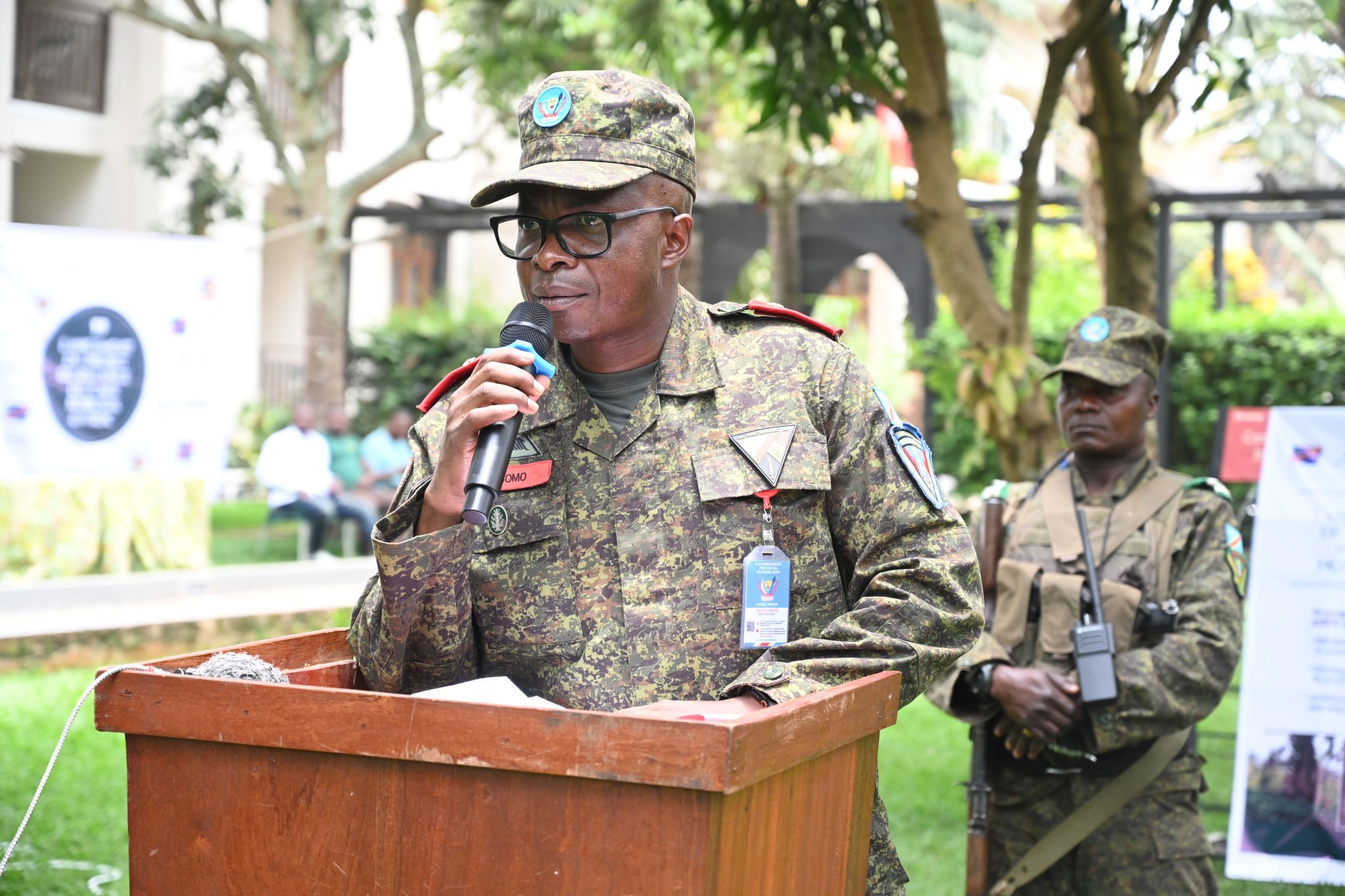
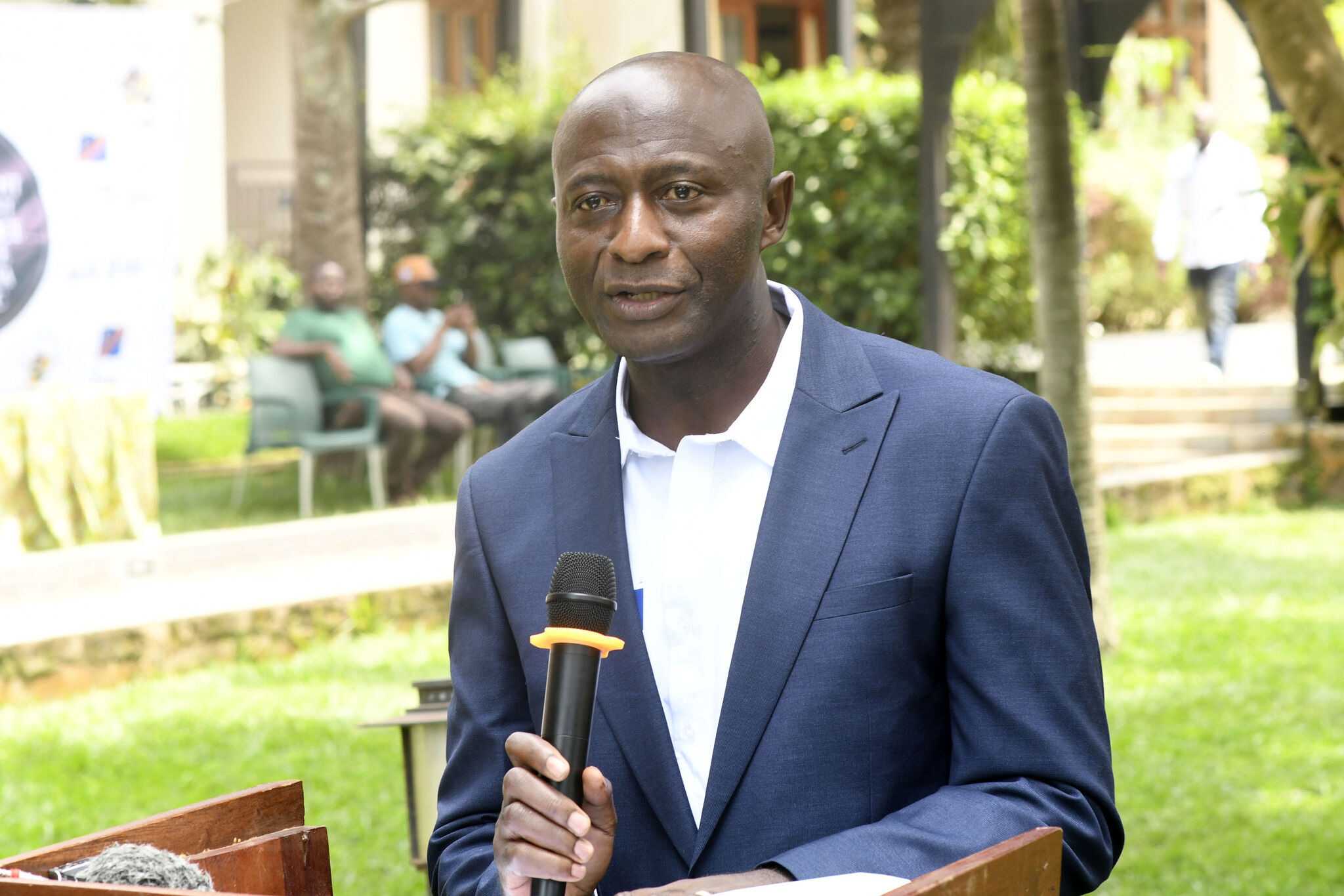
“This initiative is not just about reviving the coffee sector in the area. It promises to be a major instrument for job creation for youth, which is crucial for securing peace across the province. Providing employment opportunities for young people creates incentives for them not to join armed groups, thereby contributing to lasting peace in the area.”
This project takes an integrated, landscape-based approach to revitalising the robusta coffee sub-sector in eastern Congo.
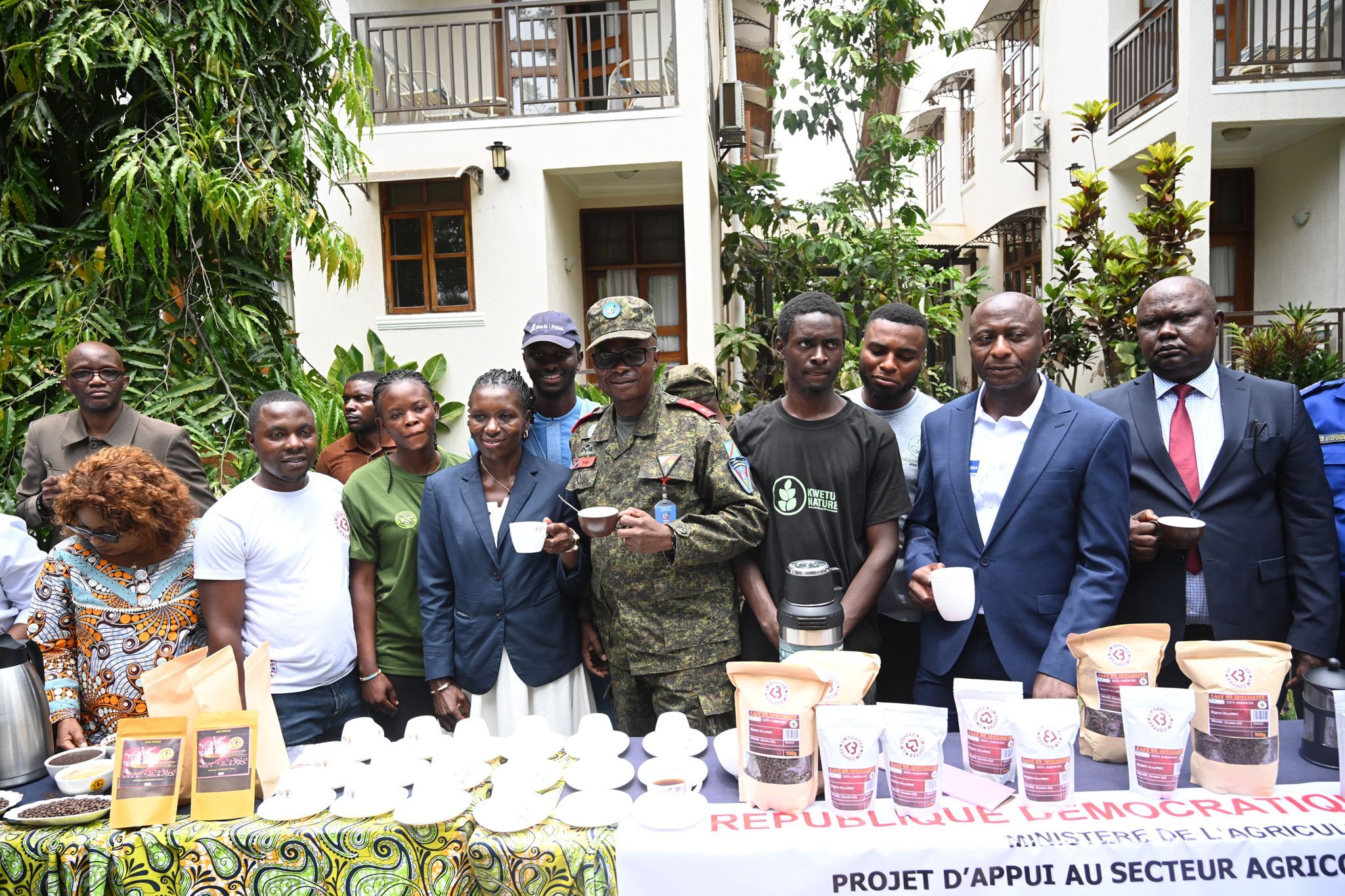
At farm level, we support regenerative agriculture, dynamic agroforestry and intercropping of robusta with food crops. The aim is to promote biodiversity conservation and enhance environmental resilience through sustainable coffee production. Old farms are rejuvenated using high-yielding, wilt-resistant planting material, with women- and youth-led nurseries playing a central role. To ensure services reach all farmers, including older or time-constrained producers, youth- and women-led small enterprises provide professional farm services such as pruning, rehabilitation and input application.
We strengthen cooperatives to operate as professional businesses. This includes improving governance, financial management, gender policies, and internal control systems, as well as building capacity to meet market and regulatory requirements such as EUDR compliance. 14 micro-washing stations will improve coffee quality and consistency, while traceability systems help prevent deforestation and human rights risks.
Access to finance is expanded through Village Savings and Loans Associations (VSLAs), links to financial institutions, and support for income-generating activities beyond coffee. Alongside this, communities are engaged in awareness-raising and monitoring to prevent child labour and promote the right to childhood.
Finally, the project creates space for dialogue through multi-stakeholder platforms at local, regional and national level. These platforms will bring together farmers, cooperatives, public authorities, researchers and buyers to address structural challenges, mobilise investment, and shape policies for a sustainable robusta sector.
.jpg)
.jpg)
.jpg)
.jpg)
.jpg)
.jpg)
(all pictures: Geoffrey Buta)
By 2030, the robusta coffee sector in North Kivu and Ituri in the DR Congo will be revitalised and more resilient, sustainable and inclusive, contributing to a living income for producers (including women and young people), while protecting forest ecosystems.
We expect
In the first project year, progress has already been made at the level of income diversification, from the sales of food crops grown in diversified agroforestry systems. Women were introduced to cassava processing and linked to offtakers in the nearby city of Beni. As a result, each woman is now making a monthly net income of USD 312 as against the living income benchmark of USD 219 for rural DRC. This is already showing the potential for improved livelihoods. In addition, we supported the set-up of commercial nurseries as an alternative income-generating strategy that at the same time supports the revival of the region’s robusta sector.
.jpg)
“Thanks to the nursery business I started with the support of the project, I have been able to build a shelter for my family and fully pay my children’s school fees.”


.jpg)