

Bambilor and Kaffrine are two fast-growing secondary cities in Senegal where, for too many people, a healthy meal remains out of reach. The Nutrition in City Ecosystems (NICE) project is working to address that, by putting local authorities, producers, and communities at the centre of their own food system transformation. Funded by the Swiss Agency for Development and Cooperation (SDC) and co-led by Senegal's National Council for Nutrition Development (CNDN), Rikolto leads the knowledge sharing component.
In Senegal, moderate to severe food insecurity affects an estimated 27.9% of the population, while a healthy diet costs around USD 3.73 per person per day, beyond the means of roughly half the country (SECNSA, 2023; Food Systems Dashboard, 2025). The consequences show up early, 12% of urban children under five are stunted and nearly half of children aged 6 to 23 months eat no fruit or vegetables at all (ANSD/ICF, 2023).
Women bear a disproportionate share of this burden. Central to household nutrition and the informal food economy, they own only around 8% of agricultural land. Climate change and soil degradation make the path forward harder, but national strategies, engaged civil society, and communities already driving change in Bambilor and Kaffrine point to what is possible.
.png)
"The innovation with this project is that its entry point is the local authorities. But beyond these authorities, who are the protagonists of the implementation and consolidation process, there is the important contribution of our research and training institutions, in particular the University of Sine Saloum."
NICE works alongside municipalities, community organisations, and civil society networks, with the aim that people and institutions progressively take the lead in transforming their own food environments.
In Senegal, this is anchored in two local implementing bodies: CIGA (the Local Initiative Committee for Food Governance in Bambilor) and OSATK (the Observatory of Territorialised Food Systems in Kaffrine), both working directly with Swiss TPH as the lead agency.
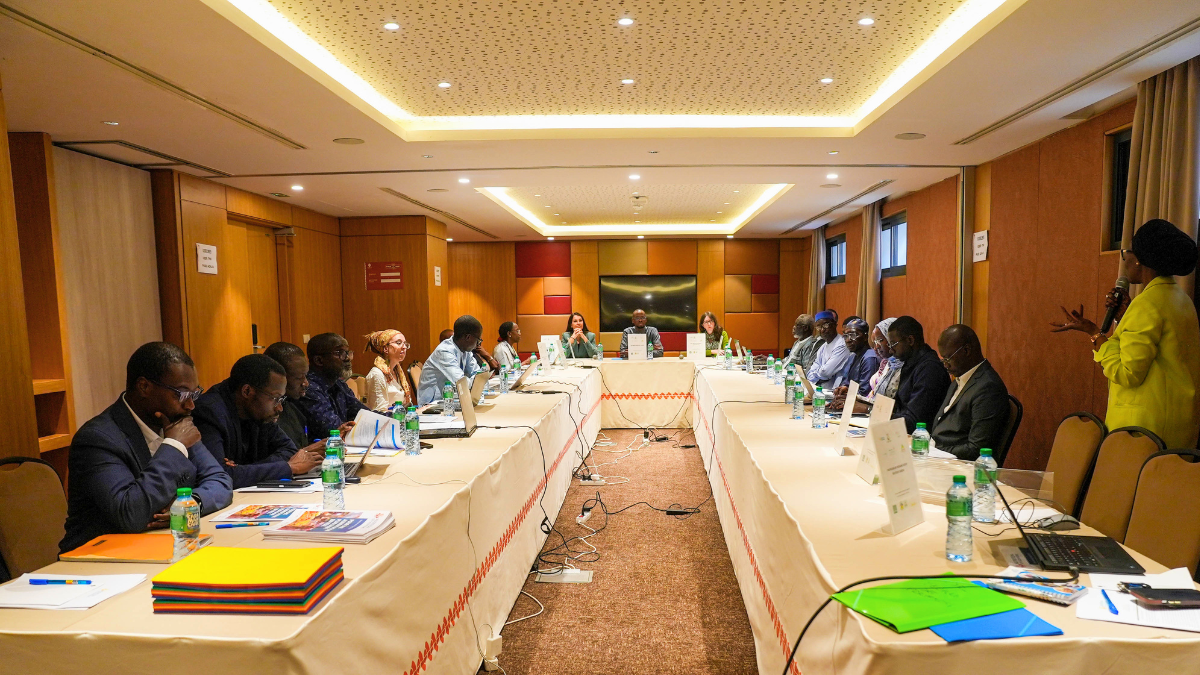
Rikolto will focus on Result 4 of the project: knowledge sharing and the spread of good practices. The aim is to ensure that what works in Bambilor and Kaffrine does not stay there, by creating the conditions for practitioners, cities and policymakers to learn from each other directly. Rikolto does this through three approaches:
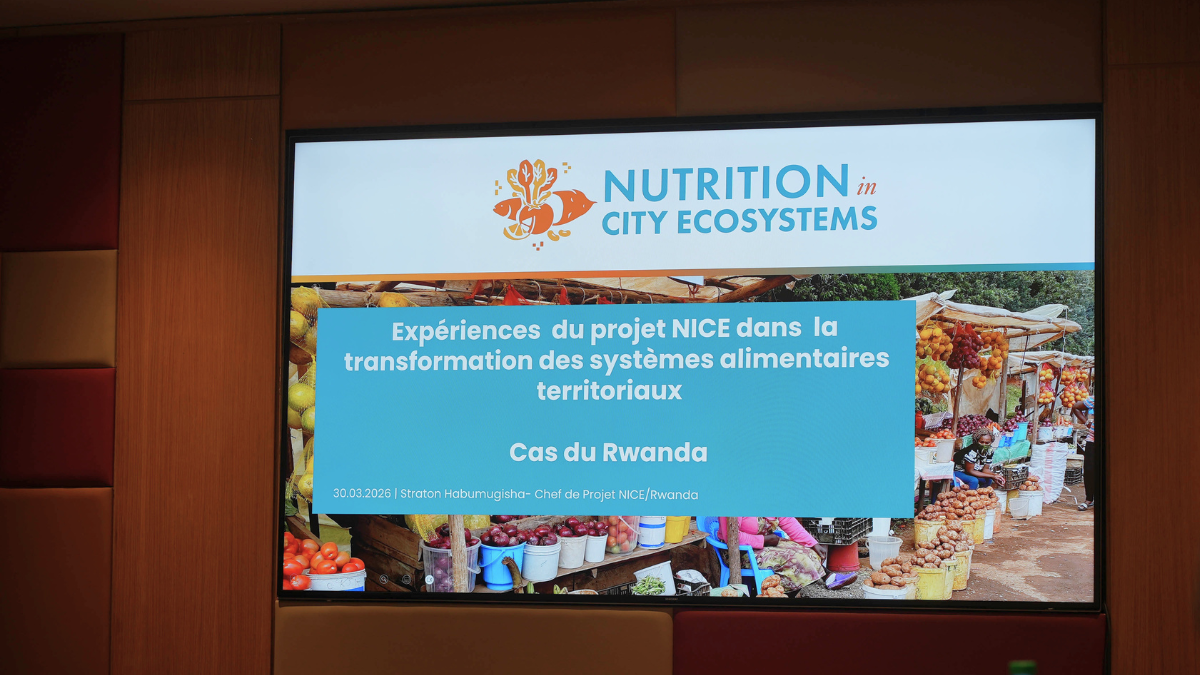
In practice, this means organising cross-city exchanges between Bambilor, Kaffrine, and Thiès, a city still earlier in its food system transformation and well placed to learn from its neighbours. Exchanges at regional, continental, and international level are also planned, building on evidence from the first NICE phase in Kenya, Rwanda, and Bangladesh.

.png)
.png)
Three outcomes are expected by the end of the project:

This project is part of the global NICE programme, funded by the Swiss Agency for Development and Cooperation (SDC).


.png)



%20(1).png)
.jpg)