

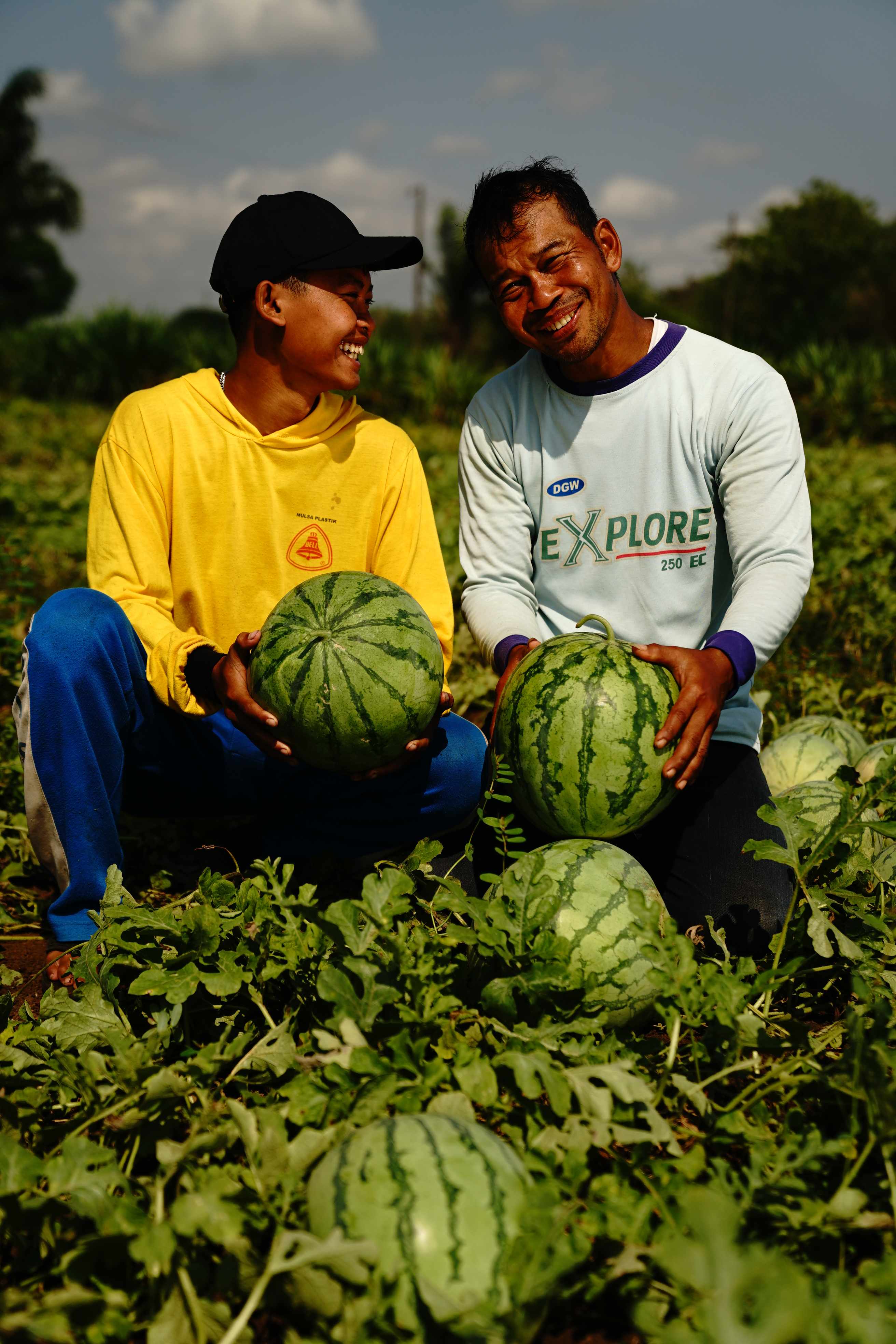
This initiative pilots a school food procurement model to address critical urban food system vulnerabilities, such as child nutrition, in Indonesia. The model will link three farmer groups or cooperatives with ten schools in Surakarta, Depok, and Denpasar. Working with IPB University, Indonesia Bersatu, Gita Pertiwi, PPLH Bali, and Pasar Rakyat Bali, the aim is to strengthen the connection between smallholder farmers practising regenerative agriculture and school food procurement systems. All with the one mission: children, especially in urban and peri-urban areas, have access to fresh, local, nutritious meals.
Indonesia’s rapid urbanisation, estimated at an average annual rate of 4.1% (World Bank, 2016), is reshaping the local food systems, faster than in many other Asian countries. Cities are expanding, agricultural land near urban centres is shrinking, and the supply chains are becoming longer and more complex.
At the same time, environmental pressures are intensifying: soil degradation, air and water pollution, inefficient waste management, and rising greenhouse gas emissions increasingly affect how food is produced and distributed. These vulnerabilities are further compounded by climate change, market disruptions, and socio-political instability.
In schools, food procurement systems are often disconnected from the local producers and do not prioritise sustainability or resilience. Small-scale farmers, particularly those operating in peri-urban areas, face limited and unstable market access. Climate variability and price fluctuations further increase their vulnerability.
These dynamics are interconnected: child nutrition, farmer livelihoods and environmental sustainability cannot be addressed in isolation. Strengthening institutional demand for local and regeneratively produced food is offering an entry point to tackle these challenges together.
.jpg)

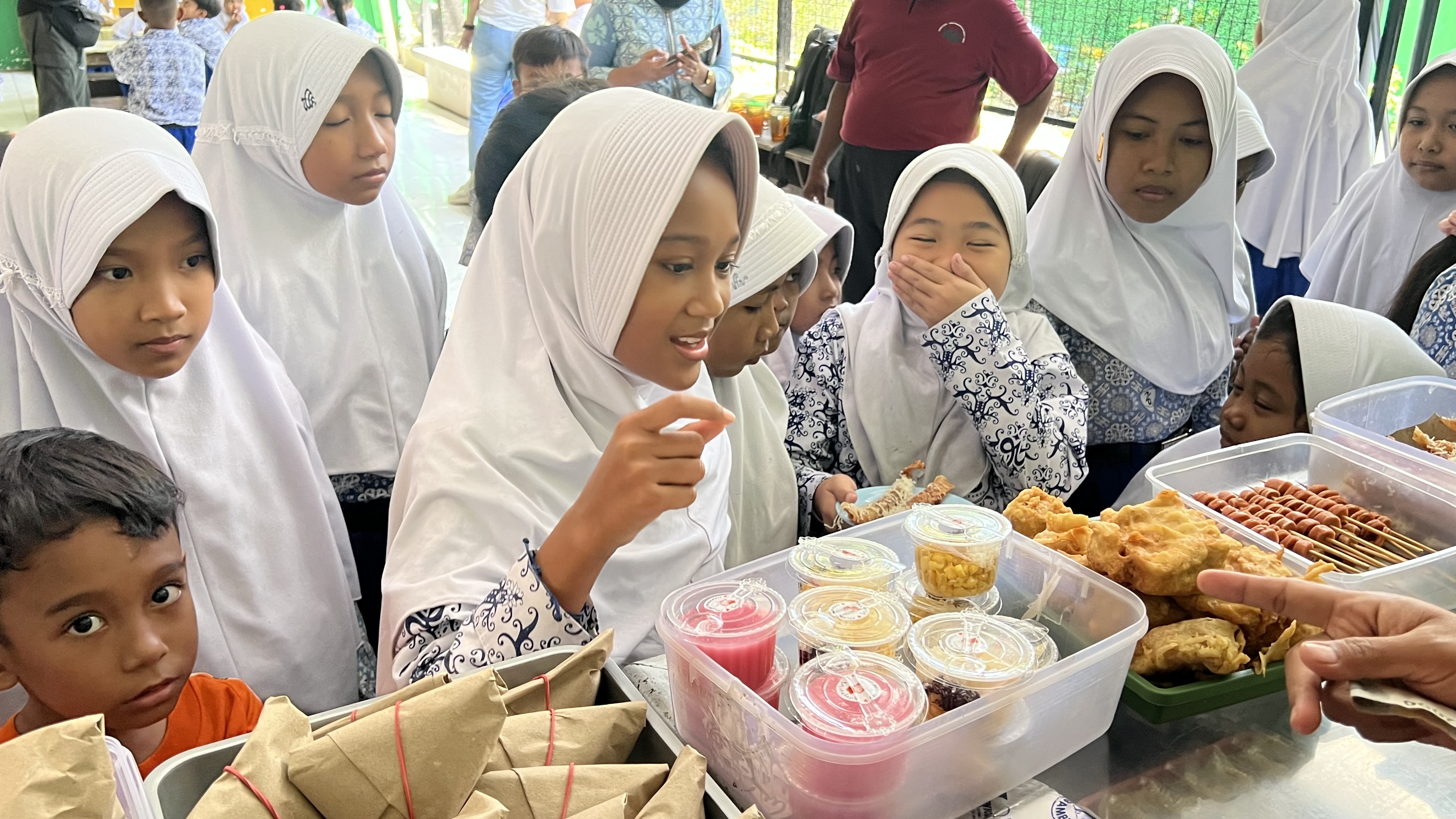
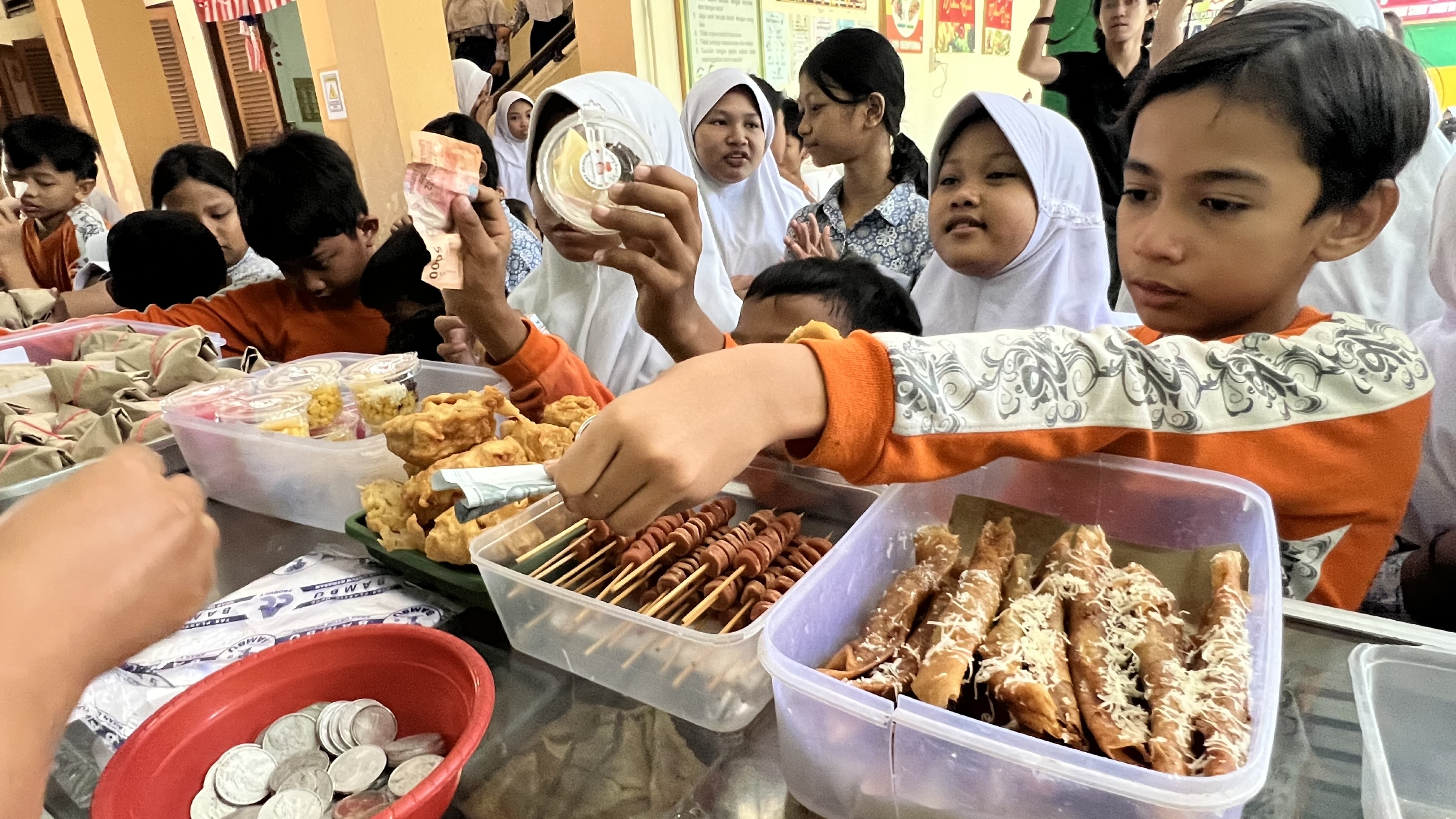
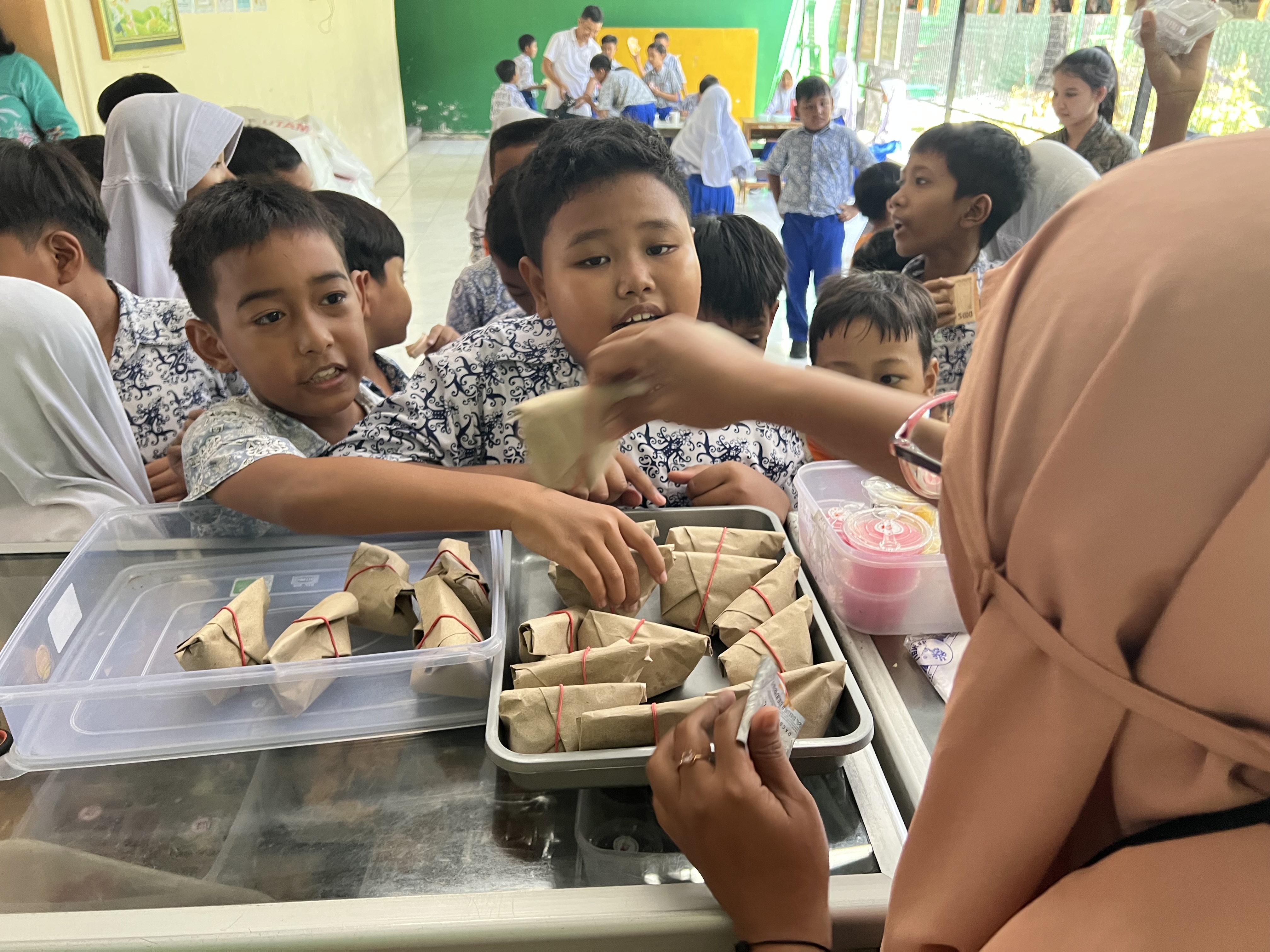
This project sees school food procurement as a way to improve the whole local food system. In line with Indonesia’s Makan Bergizi Gratis (MBG), Nutritious Free School Meals initiative, it will create and test a business model that links the farmer groups and cooperatives to the pilot schools in Surakarta, Depok, and Denpasar. The goal is to show how schools can buy healthy, local food while supporting farmers and their communities.
The intervention works across the value chain:
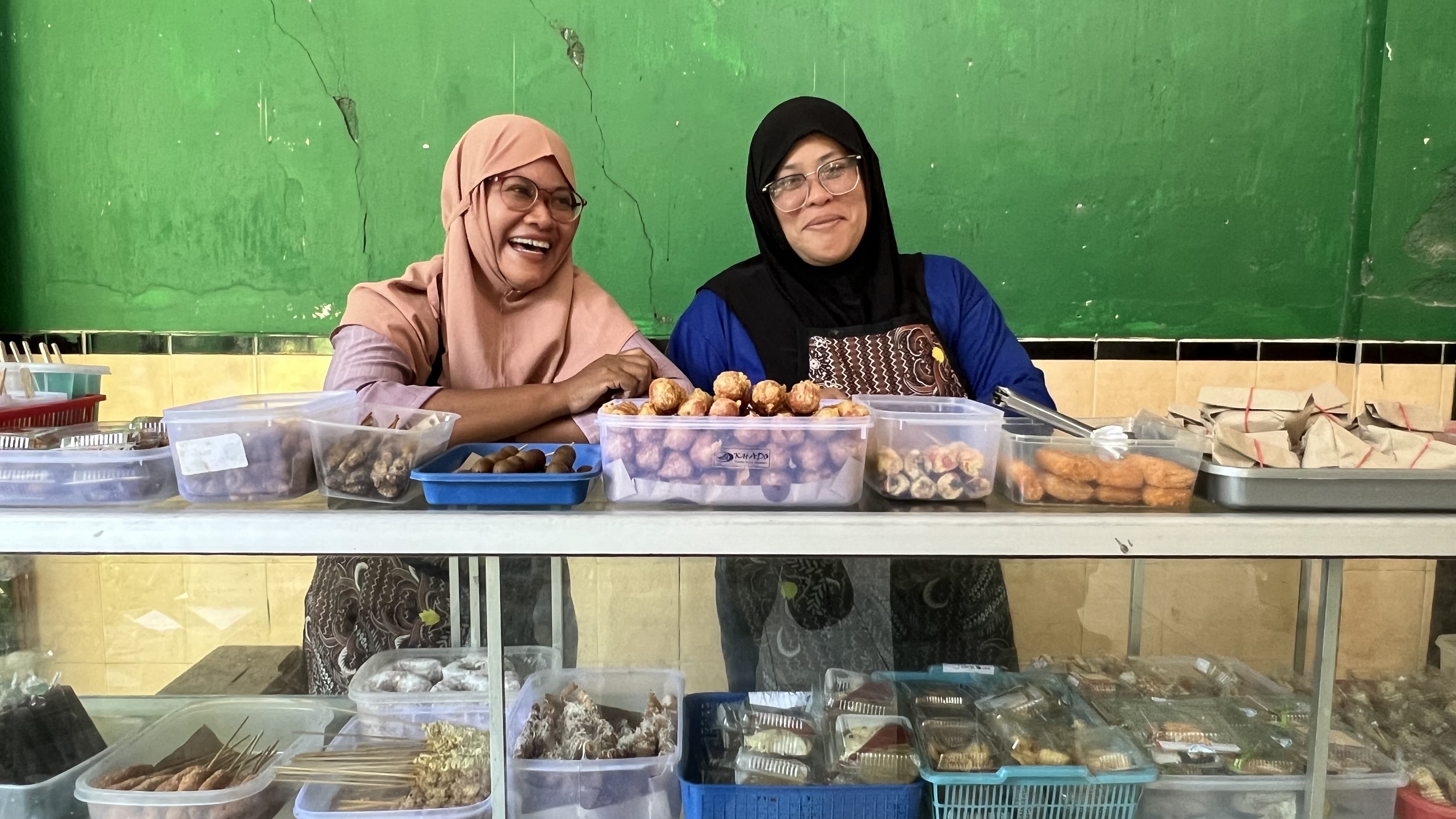
Rikolto’s role is to bring everyone together, farmers, schools, local governments, civil society, and research partners. Working with IPB University and local partners such as the organisation Indonesia Berseru (Depok), Gita Pertiwi (Surakarta), PPLH Bali, and Pasar Rakyat Bali, the project will run demonstration plots, deliver training, and co-create an inclusive procurement model. Experiences and lessons will be shared with local and national authorities to support voluntary replication in other cities.
With support from The Rockefeller Foundation, the project will explore how school buying can encourage farmers to grow more sustainably, improve children’s meals, and empower women-led canteens, offering a scalable model for healthy, climate-smart school meals while making local food systems stronger and more connected.


.jpeg)
.jpeg)
.jpeg)
By the end of the project (2027), this initiative will:
.jpg)


RikoltoPortraits-42.JPG)
.jpg)