

The Cocoa Livelihoods Improvement Programme tackles some of the toughest challenges facing cocoa farmers in Ghana today. By focusing on access to finance, income diversification, regenerative agriculture, and child labour remediation, the programme seeks to transform cocoa-growing communities into resilient, thriving hubs of sustainable development.
Cocoa is the backbone of Ghana’s rural economy, providing a livelihood for more than 800,000 farmers. Yet, most cocoa farmers live in poverty, earning less than USD $0.50 per day. Volatile prices, rising input costs, and the seasonal nature of cocoa farming deepen this vulnerability. Women and young people, who are central to household welfare and farm labour, often remain excluded from financial systems and lack opportunities to diversify their incomes.
Children in farming households are also exposed to hazardous labour when families cannot meet basic needs. Insufficient allocation of resources for the prevention of and response to child labour, inadequate services to support working children or prevent child labour and family reliance on income generated by children due to extreme poverty are some of the factors impeding the fight against child labour.
At the same time, soil fertility is declining and climate change is intensifying, putting the future of cocoa, and the communities who depend on it, at risk.
This programme directly addresses these interconnected challenges. By linking financial inclusion, alternative livelihoods, regenerative farming, and child protection, we aim to tackle poverty at its root and empower farmers, especially women and youth, not only to earn better incomes but also to secure the future of their families and farms.

The Cocoa Livelihoods Improvement Programme is a collaborative initiative between SUCDEN and Rikolto
The programme is built on participatory methods that engage communities directly:
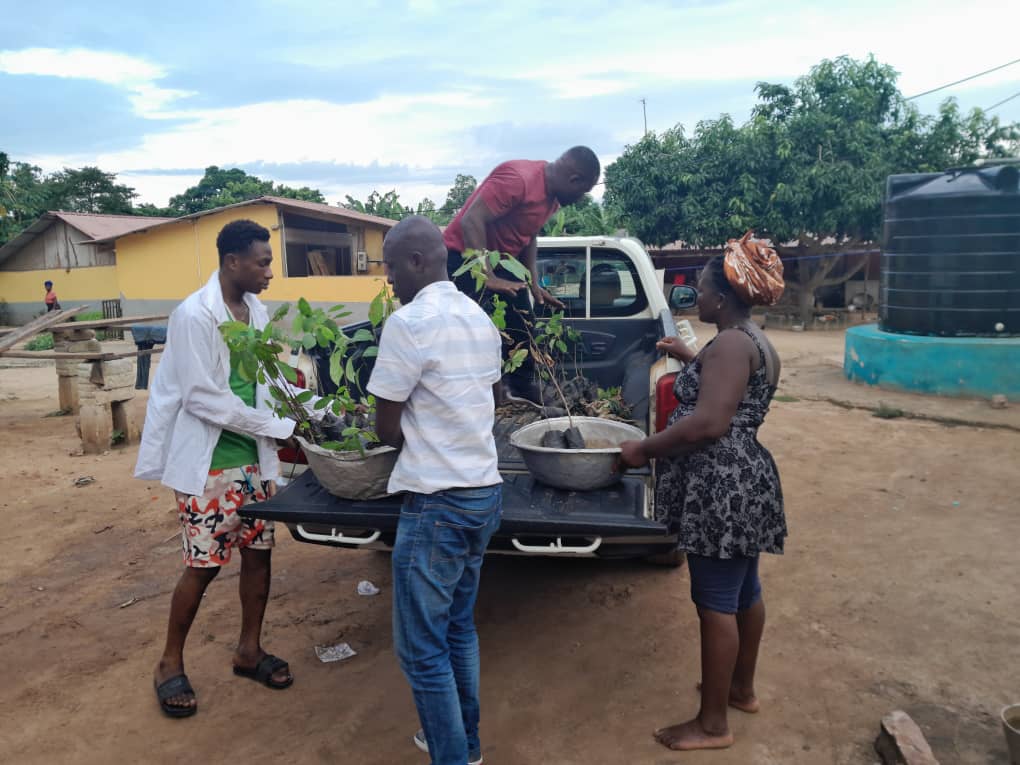

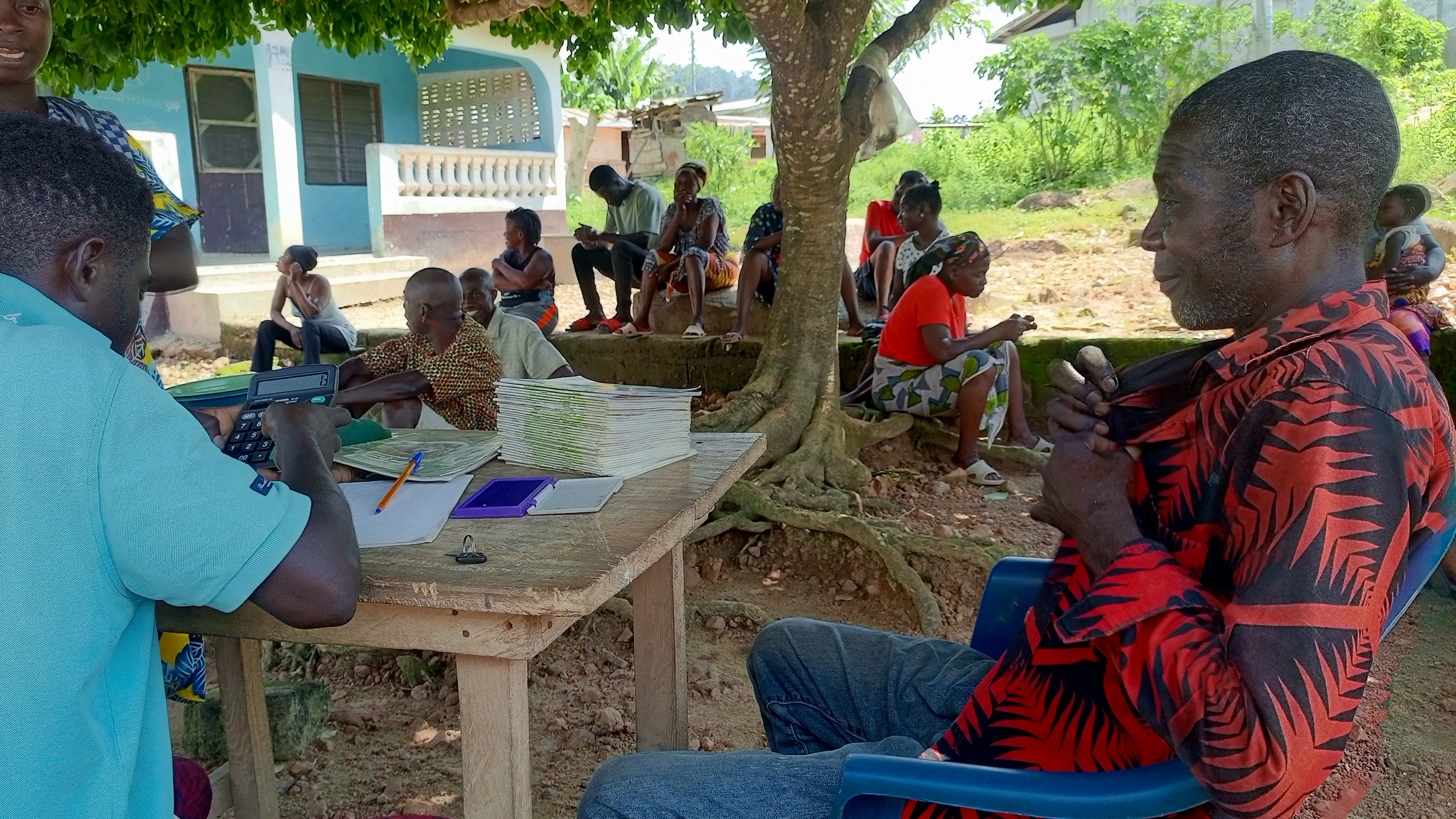
The programme works towards stronger financial resilience, diversified household incomes, and healthier soils across cocoa-growing communities. These are the results we expect by the end of 2025:





.jpg)